




Among the many destinations Italy has to offer, the Sibillini Mountains are a mosaic of cultural, natural, and scenic beauties, unique in their kind.
This mountain range, shrouded in legends passed down for millennia, is where wild nature meets the history of villages suspended in time.
If you want to experience an unforgettable vacation in Italy, this guide, full of useful tips on places to visit and experiences not to be missed, is perfect for you.
Where are the Sibillini Mountains located?
The Sibillini Mountains stretch across the heart of the central Apennines, straddling the Marche and Umbria regions. Most of the range falls within the provinces of Macerata, Fermo, and Ascoli Piceno, while the western slope overlooks the province of Perugia.
The territory is protected by the Sibillini Mountains National Park, an area of over 70,000 hectares that preserves peaks exceeding 2,000 meters, such as the majestic Monte Vettore.
Their geographical position makes them a natural link between the Adriatic Sea, just over an hour’s drive away, and the Umbrian valleys, creating a microclimate and an extraordinary variety of landscapes ranging from high-altitude pastures to dense beech forests.
Why visit the Sibillini Mountains?
The main reason is undoubtedly linked to its natural wonders. Here you can find some of Italy’s most iconic landscapes, like the Piano Grande di Castelluccio or the spectacular formations of the Lame Rosse.
For outdoor enthusiasts, the park is an open-air gym offering trekking, mountain biking, and trails for every skill level.
But the Sibillini are also a land of mystery and spirituality. The name itself comes from the figure of the Sibyl, the prophetess who, according to medieval legends, lived in a cave on the summit of the mountain bearing her name. This mythological aura is reflected in the architecture of the fortified villages and in the sanctuaries isolated among the rocks.
Last but not least, the gastronomic factor: this is the land of black truffles, lentils, pecorino cheeses, and cured meats from Norcia, local delicacies that will also make your moments at the table unforgettable.

The Most Fascinating Villages to Discover
The villages that dot the Sibillini Mountains are stone sentinels guarding centuries of history and art. Characterized by defensive walls, medieval towers, and squares that open onto infinite panoramas, these towns offer an authentic experience, far from the urban frenzy.
San Ginesio
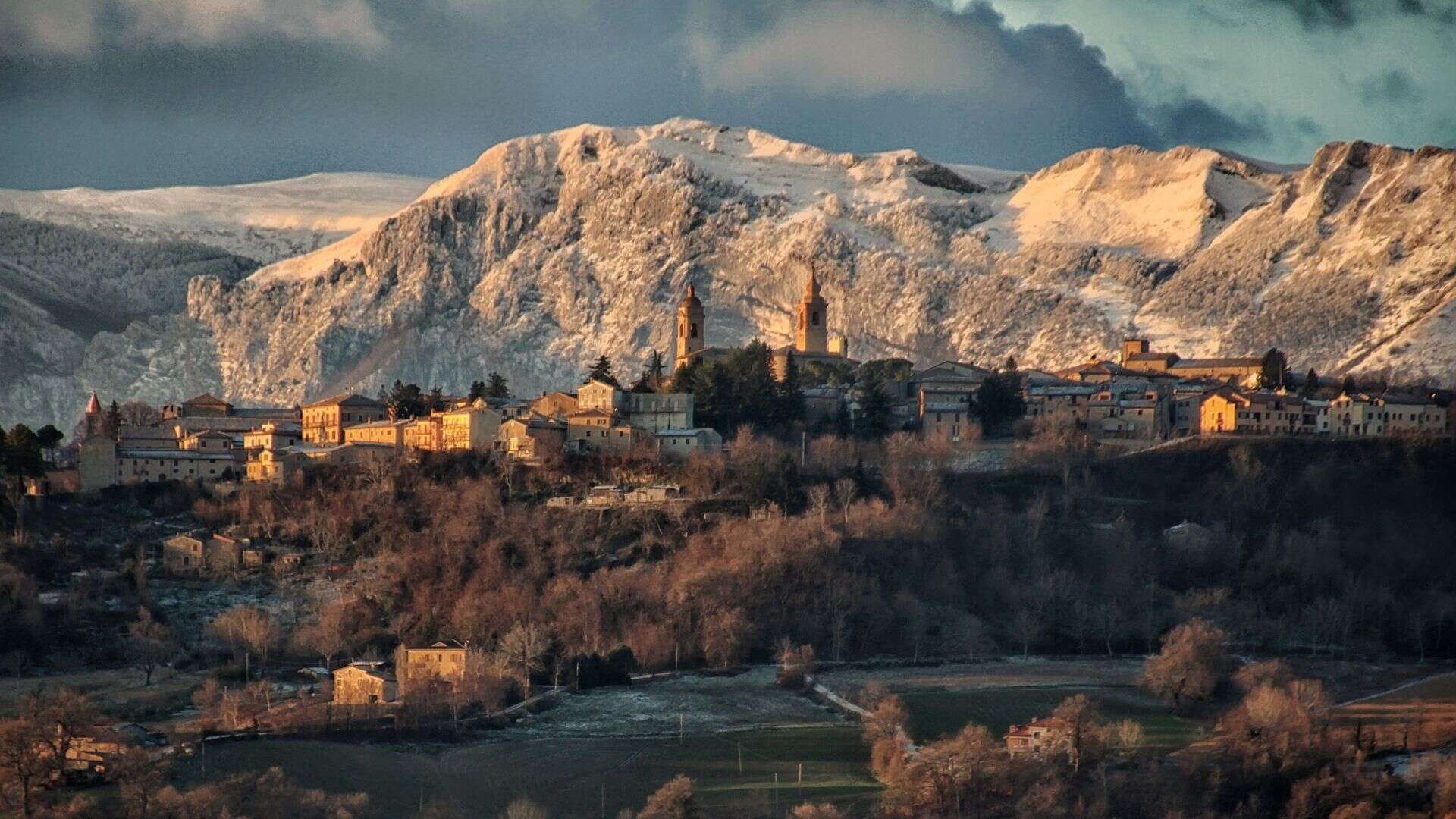
Known as the “balcony of the Sibillini” for the spectacular view it offers over the entire mountain range, San Ginesio is one of the most beautiful medieval villages in Italy.
The historic center is enclosed by a majestic 14th-century wall, still equipped with gates and towers. Not to be missed is the Collegiata di Santa Maria Annunziata (Collegiate Church of Saint Mary of the Annunciation), featuring a Gothic facade unique in the Marche region.
Walking through its streets means immersing yourself in a stately atmosphere, where every stone tells the story of this ancient municipality’s past.
Moresco
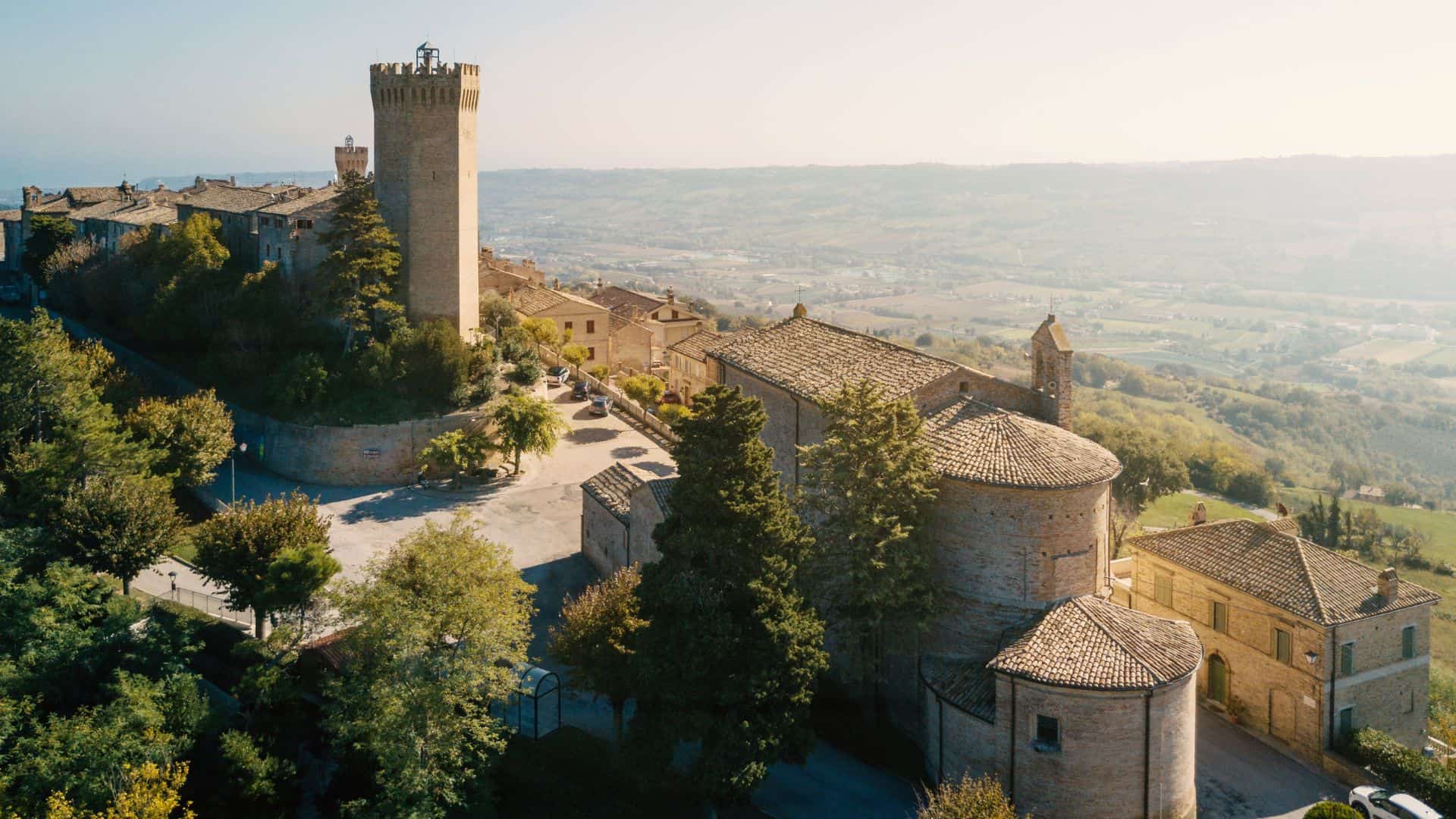
Situated on a ridge overlooking the Aso valley, Moresco is a castle-village with an almost perfect elliptical layout.
The feature that makes it unmistakable is its 12th-century heptagonal tower, 25 meters high, from whose top you can enjoy a panorama stretching from the Sibillini to the Adriatic Sea.
The village is a jewel of narrow alleys and arcades, where time seems to have stood still in the Middle Ages. It is the ideal stop for those seeking a quaint and evocative place, capable of offering picture-perfect views at every turn.
Amandola
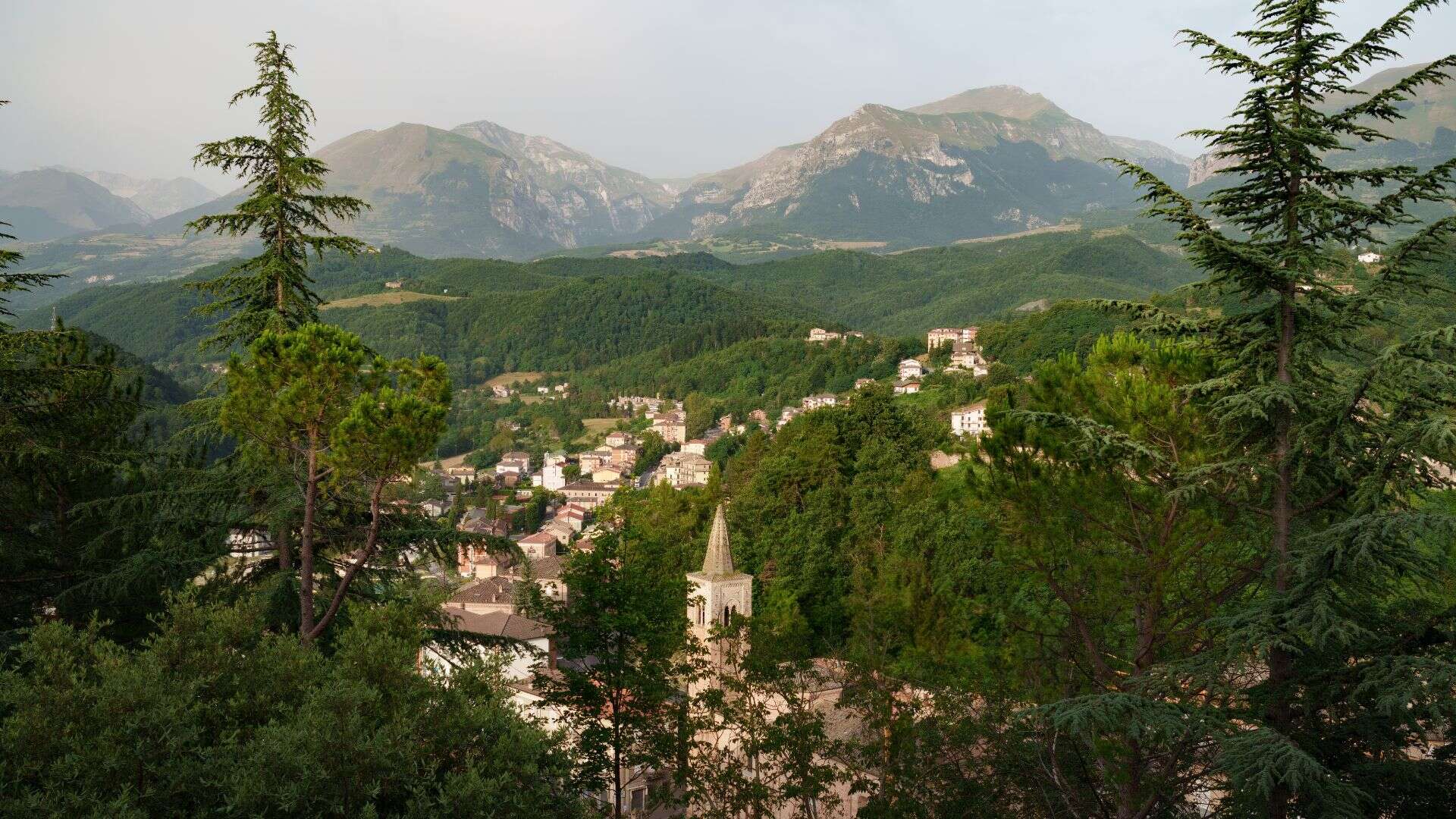
Amandola is considered the eastern gateway to the National Park and is famous for its unbreakable bond with the white truffle.
The village develops around the scenic Piazza Risorgimento (Risorgimento Square), and rises up to the abbazia di San Francesco (Abbey of Saint Francis).
In addition to its gastronomic heritage, Amandola captivates with the architecture of its noble palaces and its proximity to highly prized nature trails.
Castelsantangelo sul Nera
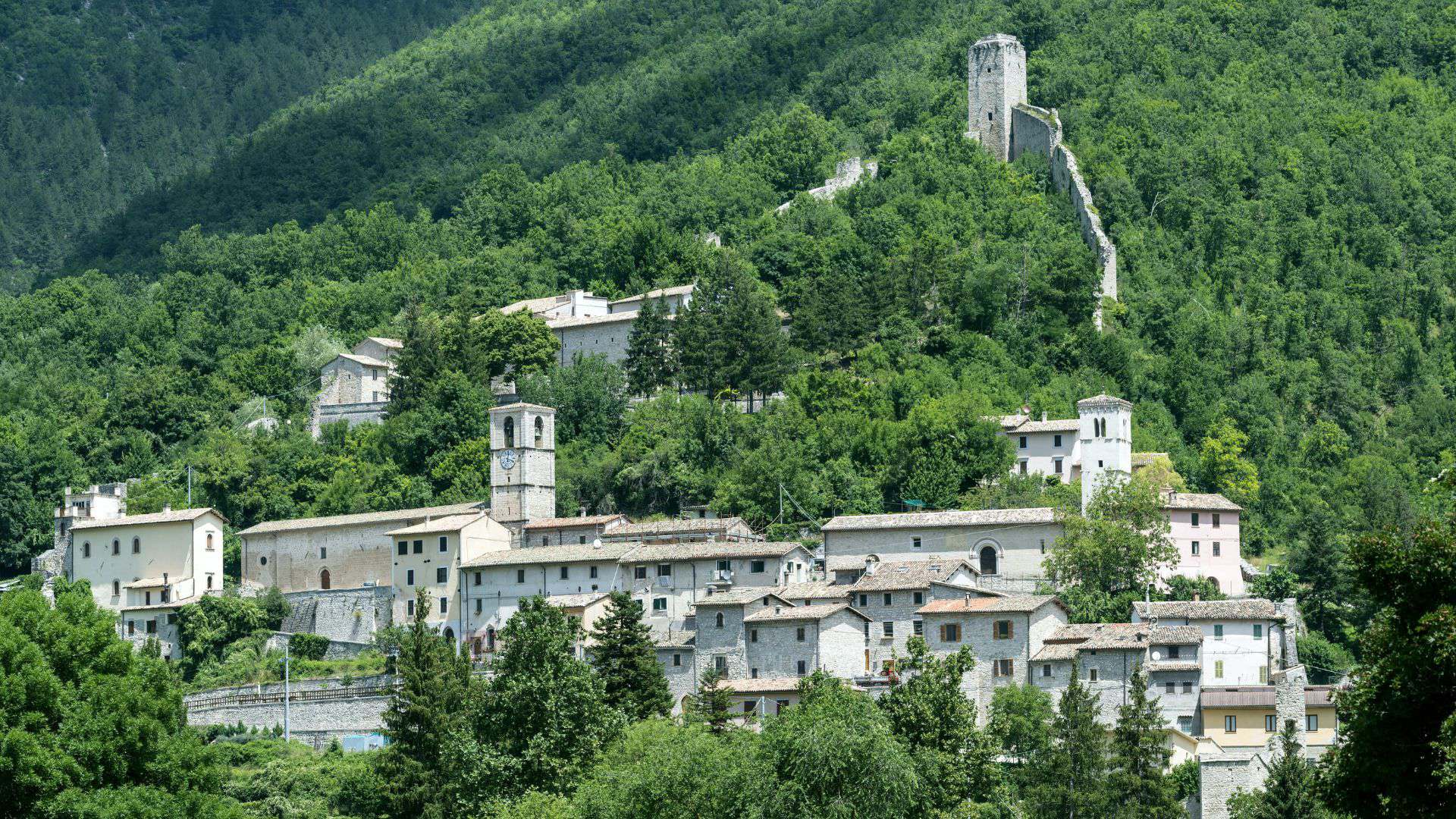
This village owes its name to the springs of the Nera river, which originate within its territory.
Characterized by a typical mountain urban structure, Castelsantangelo sul Nera is surrounded by dense woods and imposing peaks. It is the ideal starting point for excursions to Monte Bove or Passo Gualdo.
Despite the wounds of some seismic events, the village maintains its charm as a border outpost, immersed in an overpowering nature that shows its wildest side here.
Montefortino
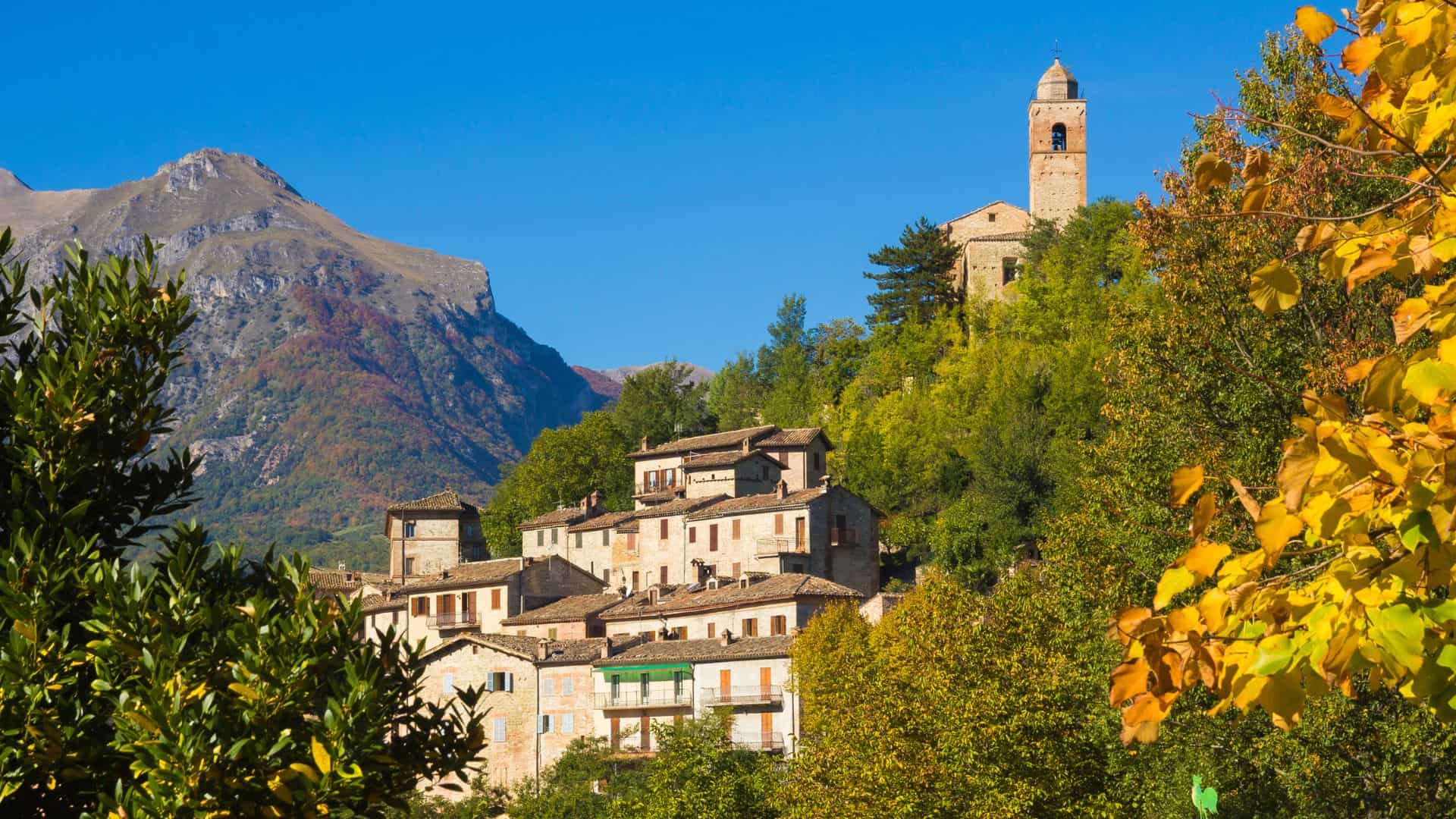
Perched on a hill overlooking the Tenna valley, Montefortino is a perfect example of medieval architecture in terracotta and sandstone.
The village has a spiral structure that culminates in the upper part, offering spectacular views of the Gola dell’Infernaccio (Infernaccio Gorge) and Monte Sibilla (Mount Sibilla).
Besides its charming alleys, the village is famous for hosting the Pinacoteca Civica Fortunato Duranti (Fortunato Duranti Civic Art Gallery), which houses priceless works of art (including paintings by Perugino), testifying to the cultural richness that has characterized these mountain towns.
Norcia
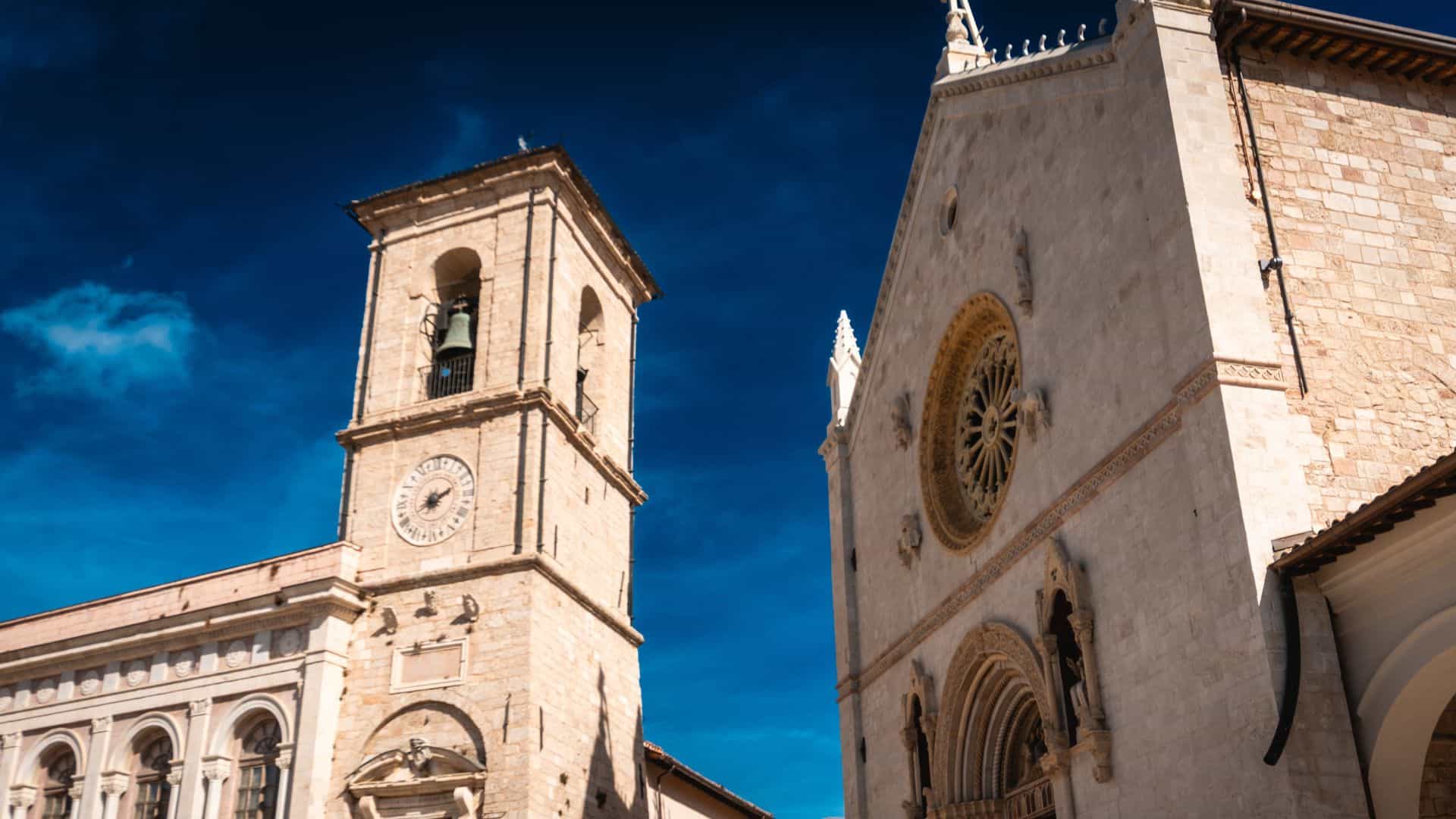
Norcia is the spiritual and gastronomic heart of the Umbrian side of the Sibillini. Situated on a vast plateau, the city is enclosed by 14th-century heart-shaped walls, almost entirely preserved.
It is the birthplace of Saint Benedict, patron saint of Europe, and its main square, with the Basilica dedicated to the saint and the Castellina (a 16th-century fortified residence), is an urban masterpiece.
Norcia is famous worldwide for the art of “norcineria” (pork butchery): its cured meats, black truffles, and Castelluccio lentils make it a mandatory stop for anyone seeking the most authentic flavors of the area.
Visso
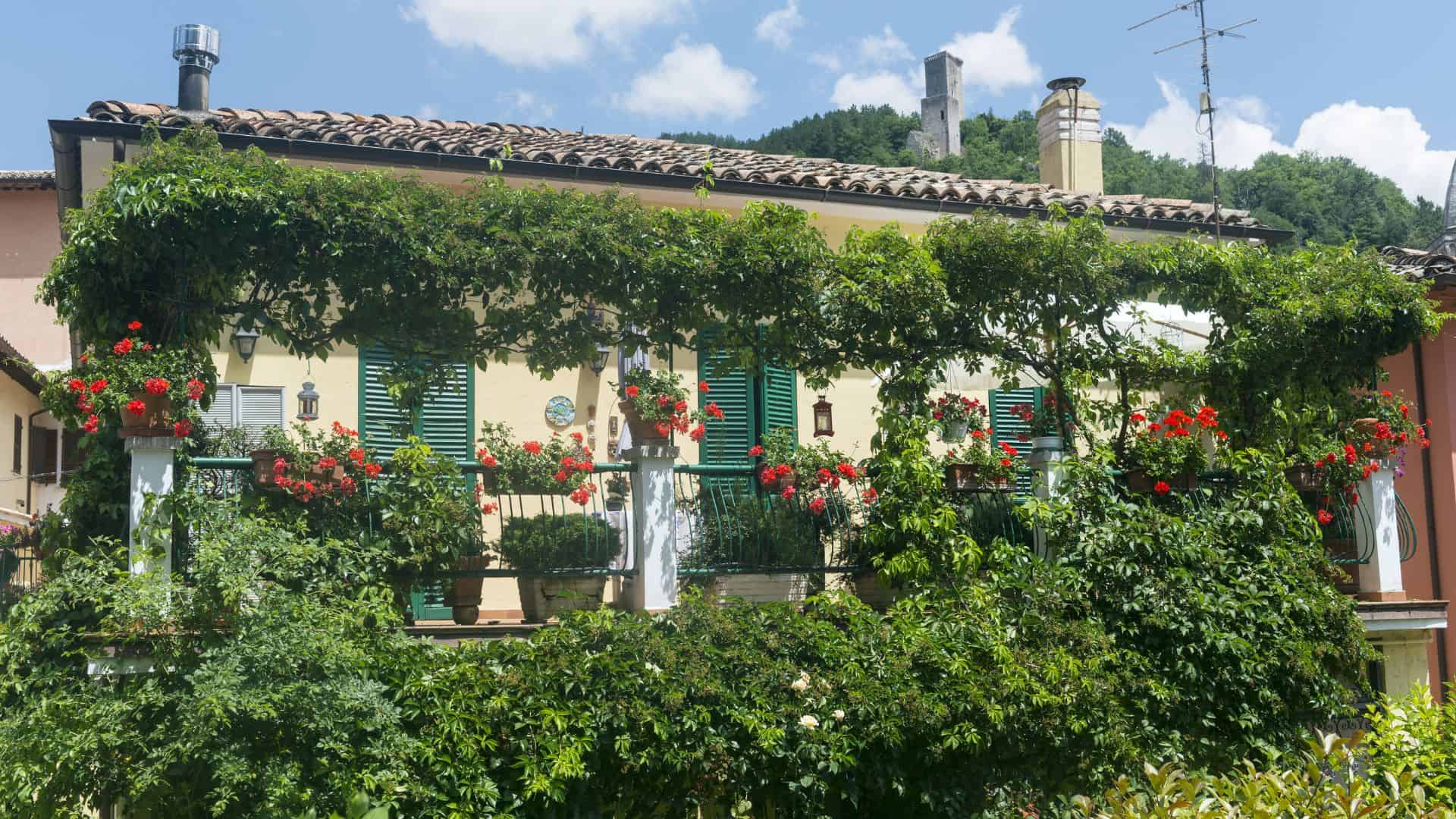
Often called the “pearl of the Sibillini,” Visso is a village of incredible architectural elegance, the historic headquarters of the National Park.
Its historic center, dominated by Renaissance-style noble palaces and carved stone portals, reflects the prestige of a past linked to trade between Marche and Umbria.
The main square, Piazza Martiri della Libertà (Martyrs of Freedom Square), is framed by architecture reminiscent of Tuscan art cities. Visso is also renowned for its artisanal production of pasta and for its traditional sweets.
Ussita
Ussita is a scattered municipality, composed of several hamlets nestled on the slopes of the majestic Monte Bove. It is one of the most beloved locations for mountain enthusiasts, both in summer for trekking and in winter for skiing.
The territory is enriched by vast green meadows, beech forests, and dolomitic rock faces that offer unforgettable scenery in the heart of the Apennines.
Arquata del Tronto
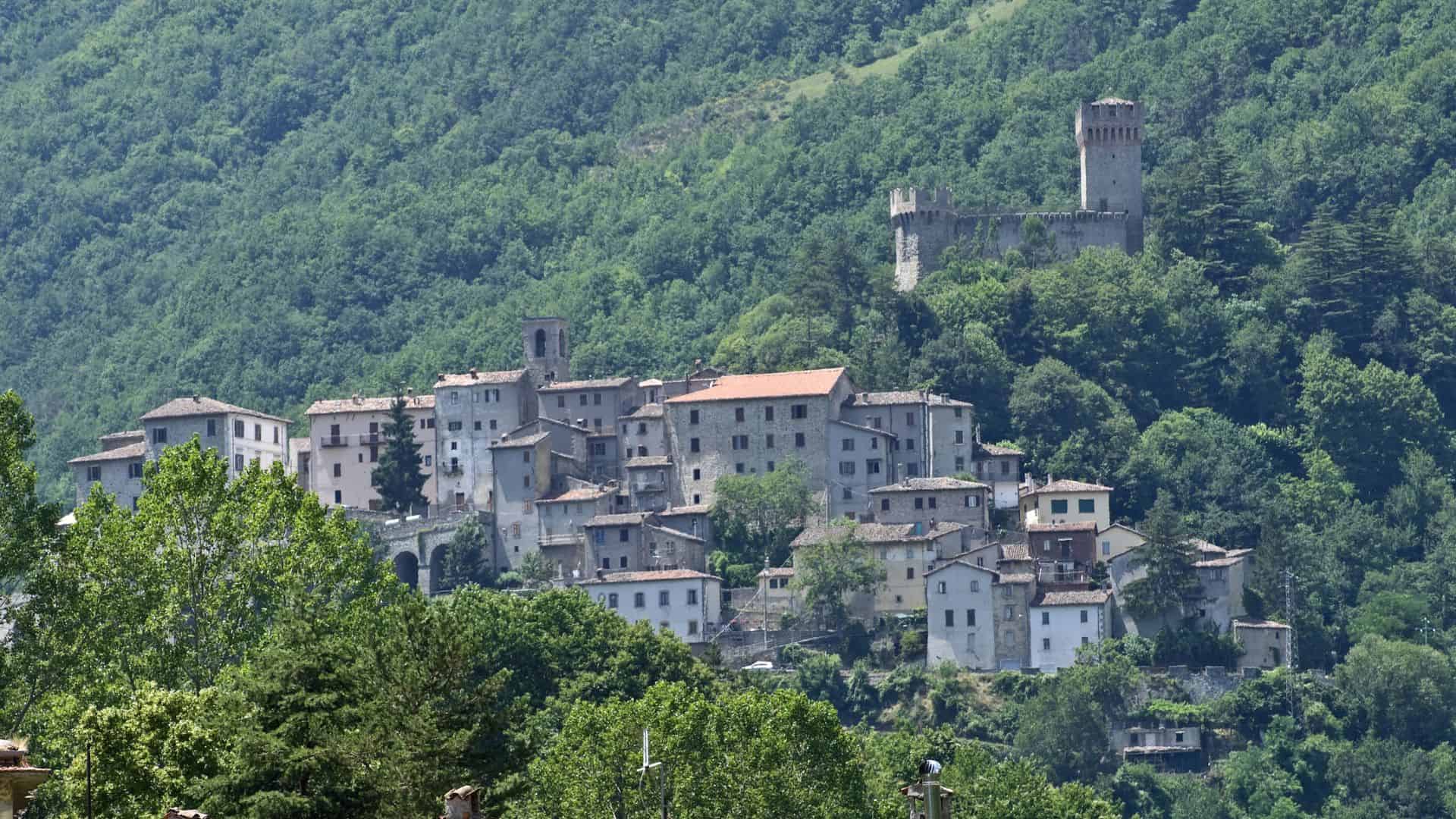
Arquata del Tronto holds a unique record: it is the only municipality in Europe whose territory is enclosed between two National Parks (the Sibillini Mountains and the Monti della Laga).
The village is surmounted by the imposing Rocca medievale (medieval fortress), a 13th-century fortress that towers on a rocky spur controlling the ancient Via Salaria (Salaria Road).
The surrounding landscape is rugged but fascinating, rich in ancient chestnut groves and steep peaks. It is a land that tells a story of frontiers, where military fortifications intertwine with lush and wild nature.
Cessapalombo
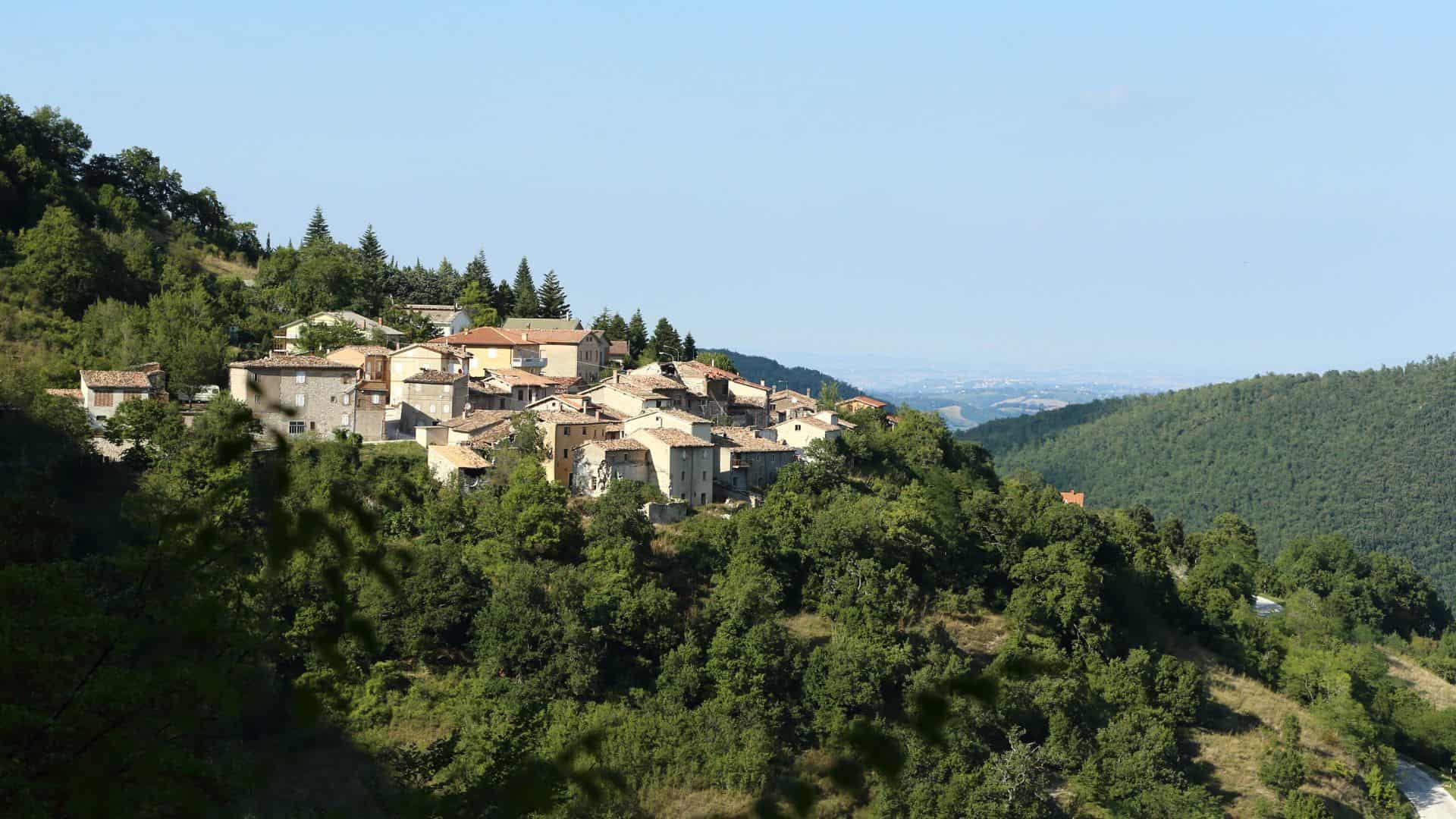
Located in a hilly area on the slopes of the Sibillini, Cessapalombo is famous for hosting the Abbazia di San Salvatore (Abbey of Saint Salvatore), a Romanesque monastic complex immersed in silence, and the charming village of Montalto.
Cessapalombo is also known as the “village of honey” and medicinal herbs. Trails start from here leading to peculiar geological formations, making it an ideal destination for those seeking a slow and contemplative travel experience.
The Hidden Lakes of the Sibillini Mountains
The landscape of the Sibillini is embellished by bodies of water, which seem set like precious stones among the folds of rock and woods.
The lakes in this area are not only scenic destinations of extraordinary beauty but also custodians of rare ecosystems and ancient legends.
Lago di Fiastra (Lake Fiastra)
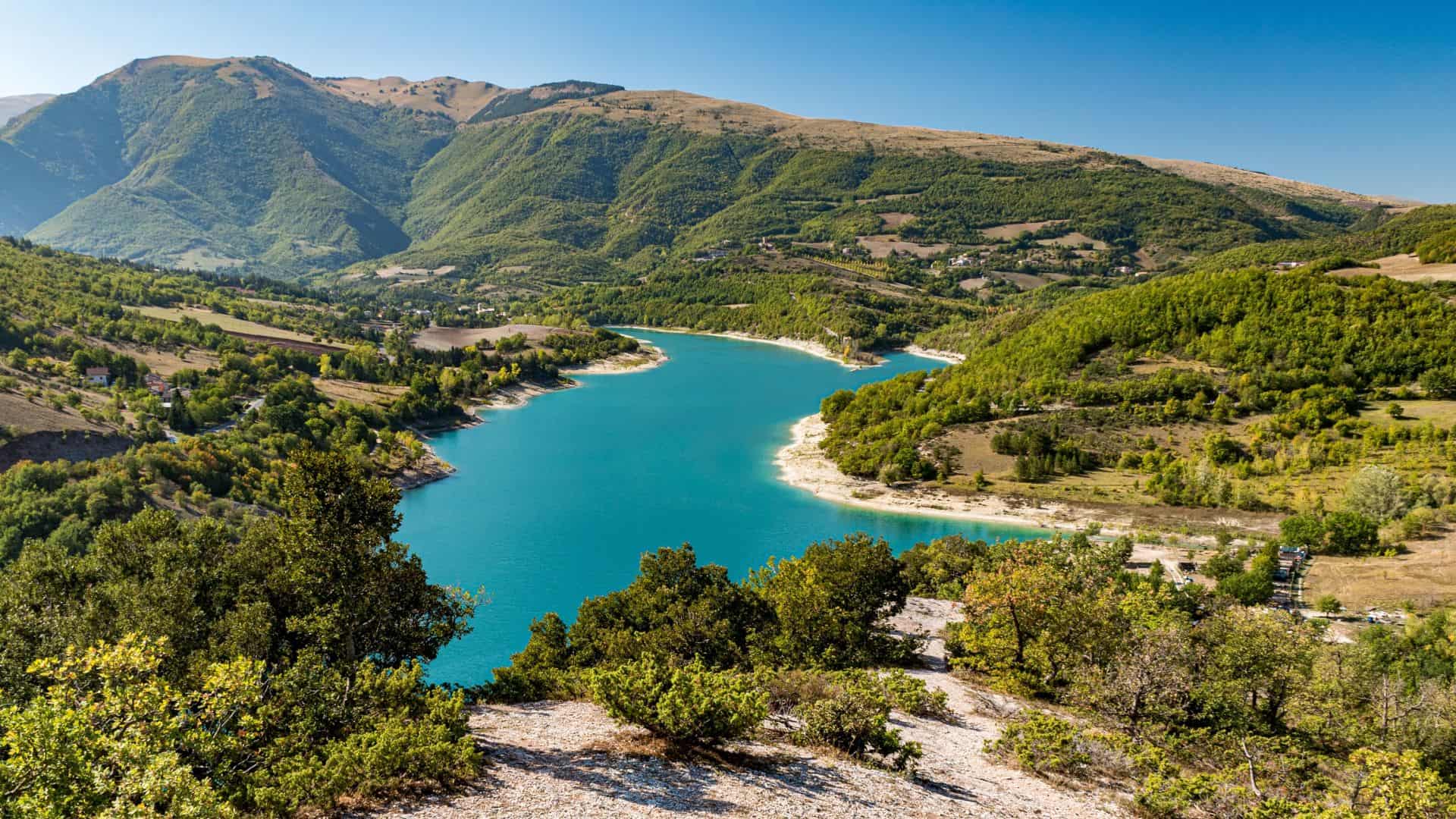
Lago di Fiastra, besides being one of the most beautiful lakes in Italy, is also the ideal destination for those seeking a mix of relaxation and outdoor activities.
Although it is an artificial basin, created by damming the Fiastra river, its turquoise waters make it one of the most beloved places in the Park.
Along its shores, there are equipped beaches where you can sunbathe, or rent canoes and pedal boats.
For hiking enthusiasts, the famous trail leading to the Lame Rosse starts from the lake, while the perimeter of the water is perfect for a flat walk suitable for everyone.
Lago di Pilato (Pilate’s Lake)
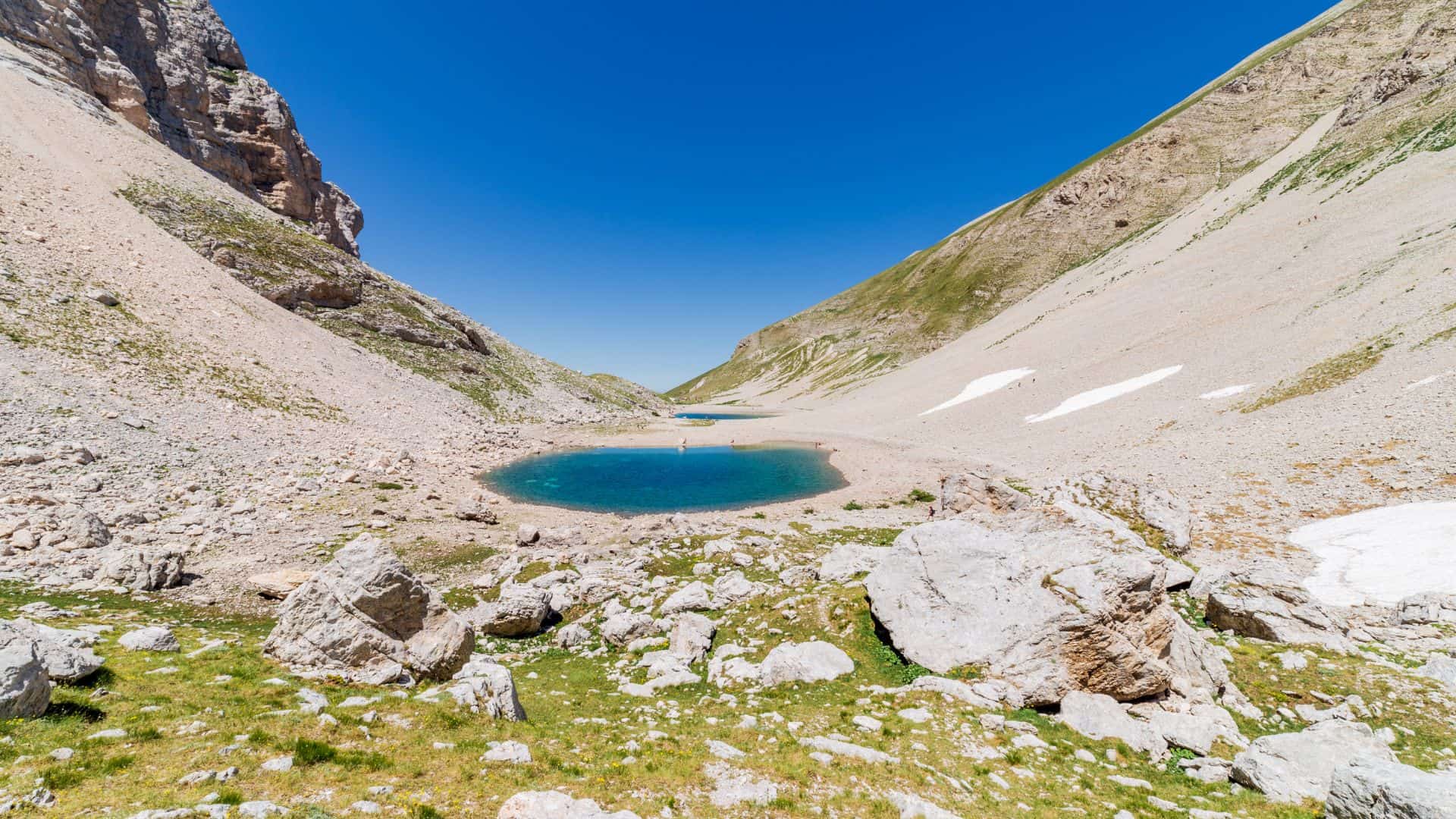
Located in a glacial basin at about 1,941 meters above sea level, below the summit of Monte Vettore, Lago di Pilato is the only natural lake of glacial origin in the Marche region.
Known as “the lake with glasses” due to the shape of its two communicating basins, it is a place steeped in legend: it is said that the body of Pontius Pilate ended up in its waters, attracting necromancers and magicians from all over Europe in the Middle Ages.
Beyond its mythological charm, the lake is a sanctuary of biodiversity: here lives the Chirocephalus marchesonii, a small red crustacean that exists nowhere else in the world.
Reaching it requires a challenging trek, but the sight of this body of water surrounded by an amphitheater of bare rock amply rewards every effort.
Sanctuaries to Visit in the Sibillini Mountains
The Sibillini Mountains have always been considered sacred mountains, a place where the solitude of the peaks has favored, since the Middle Ages, the emergence of hermitages, abbeys, and sanctuaries.
Santuario di Santa Maria in Macereto (Sanctuary of Saint Mary in Macereto)
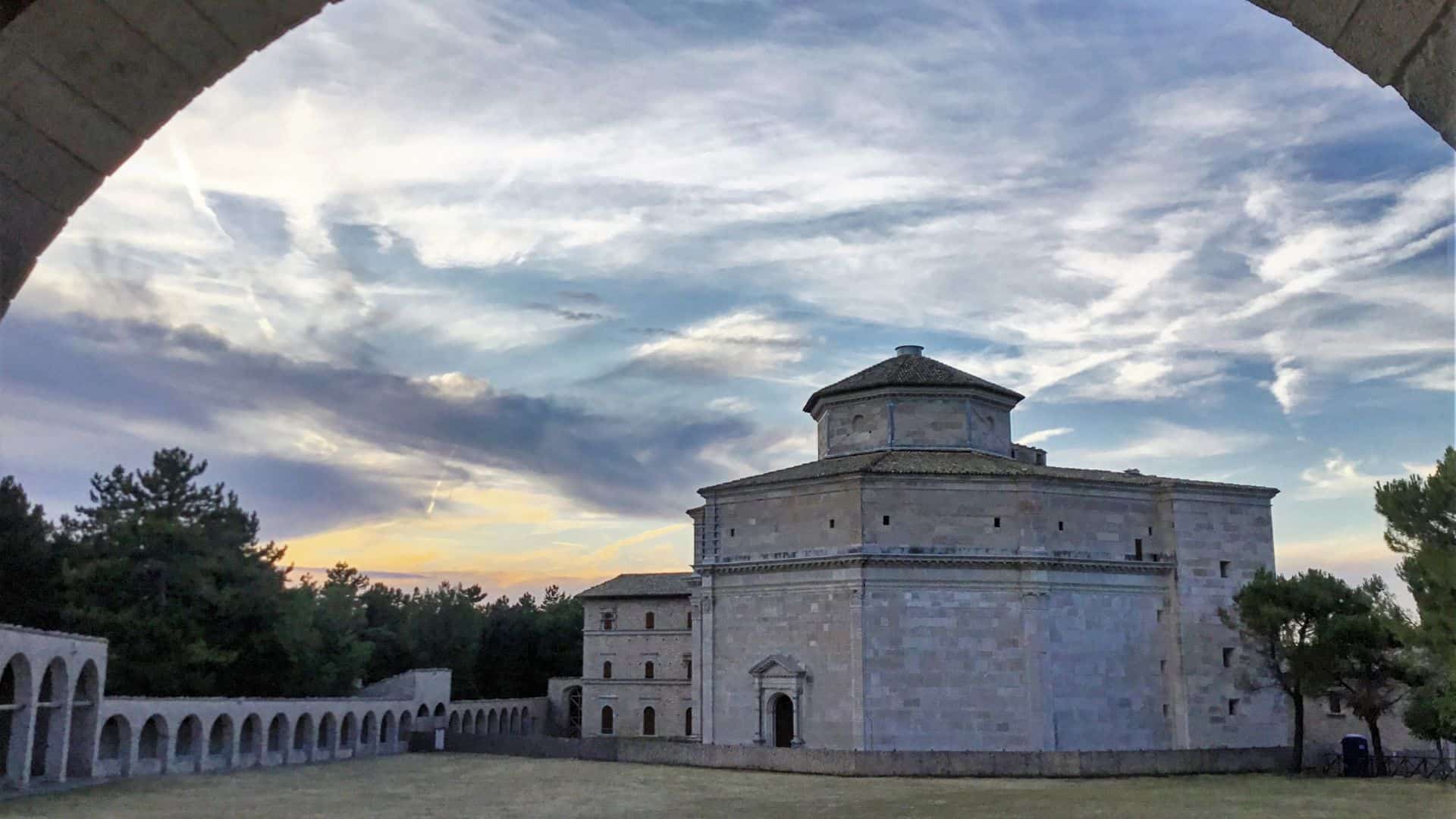
Located on a plateau at about 1,000 meters altitude in the municipality of Visso, the Santuario di Macereto is the highest expression of Renaissance architecture in the Sibillini.
The complex, built entirely of white stone, stands isolated against the profile of the mountains, creating a breathtaking visual contrast.
It is part of a religious center that includes the octagonal church, the canons’ palace, and the portico for pilgrims. Its solitary position, immersed in high-altitude pastures, provides a sense of peace and spirituality that is hard to match.
Santuario Chiesa Madonna dell’Ambro (Sanctuary Church of Our Lady of the Ambro)
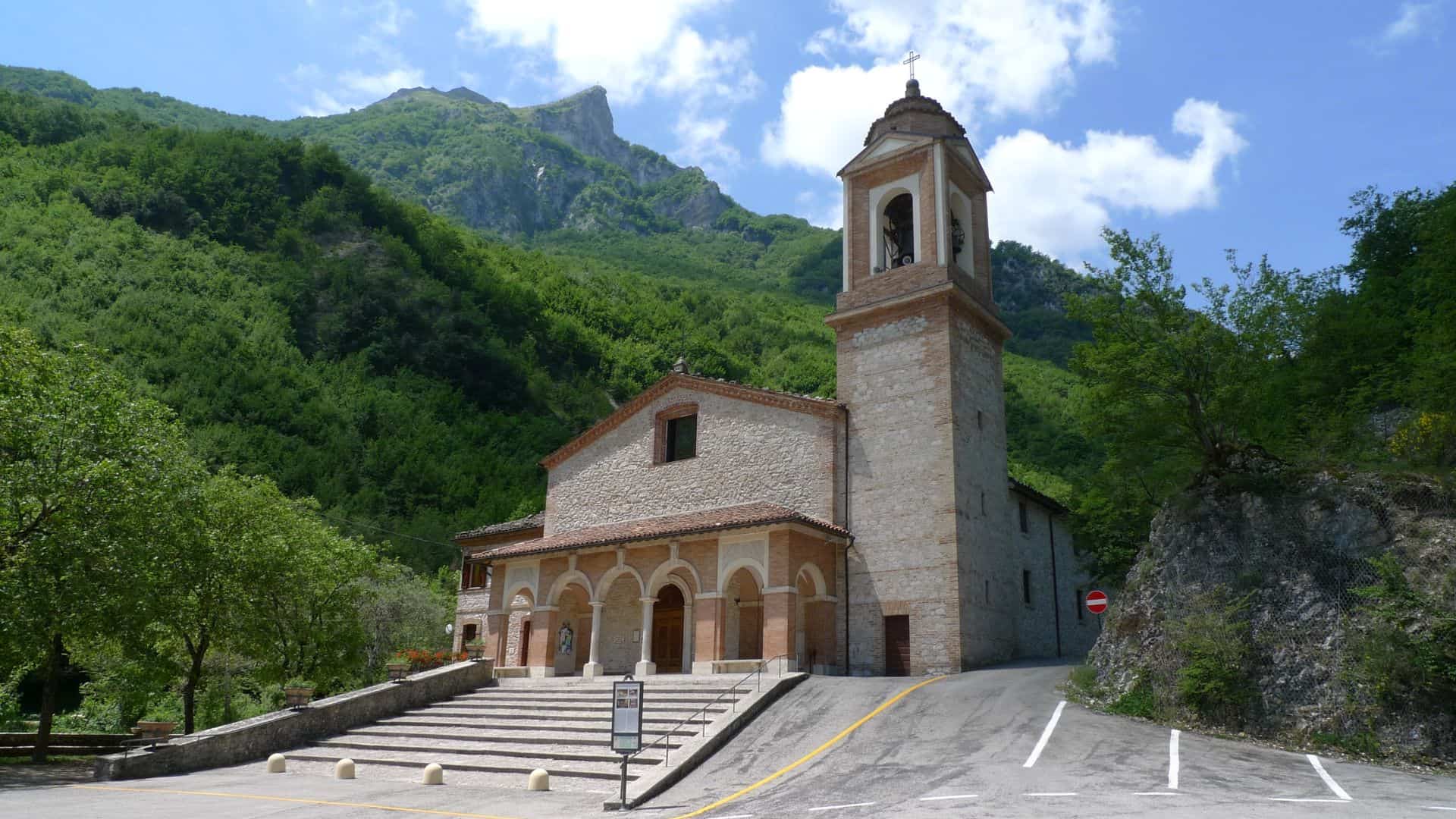
Called “the little Loreto of the Sibillini,” this sanctuary is located in the municipality of Montefortino, nestled in a narrow valley lapped by the Ambro stream.
It is one of the oldest and most visited Marian worship centers in the Marche, erected on the spot where, according to tradition, the Virgin appeared to a mute shepherdess.
The church is surrounded by ancient woods and vertical rock faces, and it is an essential stop for those who wish to explore the numerous nature trails that start right from the sanctuary’s square.
Museums Not to Be Missed
Beyond nature and spirituality, the Sibillini Mountains hold an artistic and documentary heritage of immense value, a testament to the passage of great saints, artists, and writers who have left an indelible mark.
Museo Civico e Diocesano di Norcia (Civic and Diocesan Museum of Norcia)
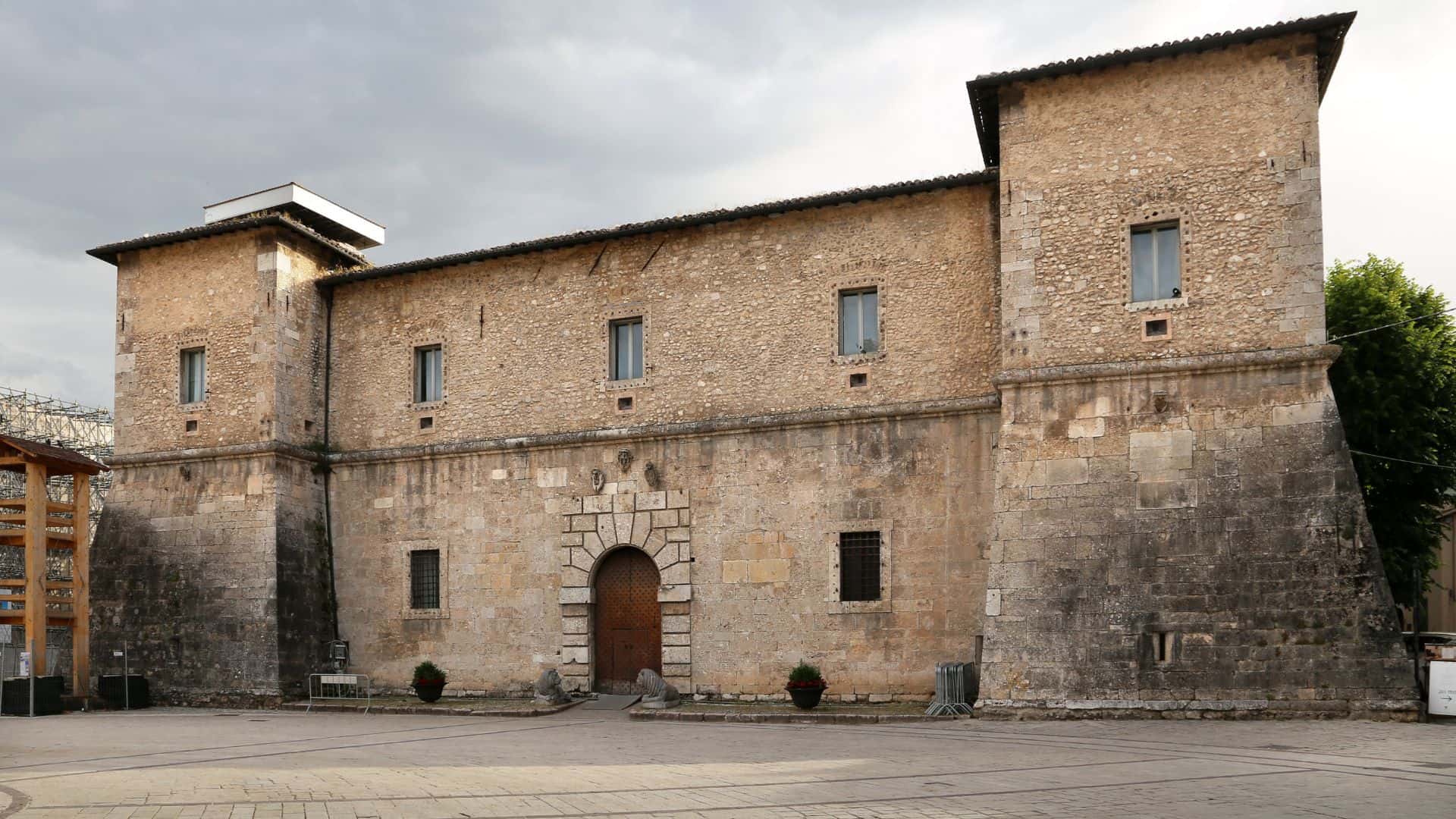
Housed inside the Castellina, the solid 16th-century fortified residence located in Piazza San Benedetto, this museum gathers the best of the artistic production of the Norcia area.
Inside, you can admire a vast collection of sacred art, including polychrome wooden sculptures of the Abruzzese and Umbrian schools, panel paintings, and precious liturgical furnishings.
The exhibition path allows one to understand the cultural evolution of Norcia and its central role in the exchanges between the Apennines and the Papal State.
Museo Diocesano e Museo dei Manoscritti di Giacomo Leopardi (Diocesan Museum and Museum of Giacomo Leopardi’s Manuscripts)
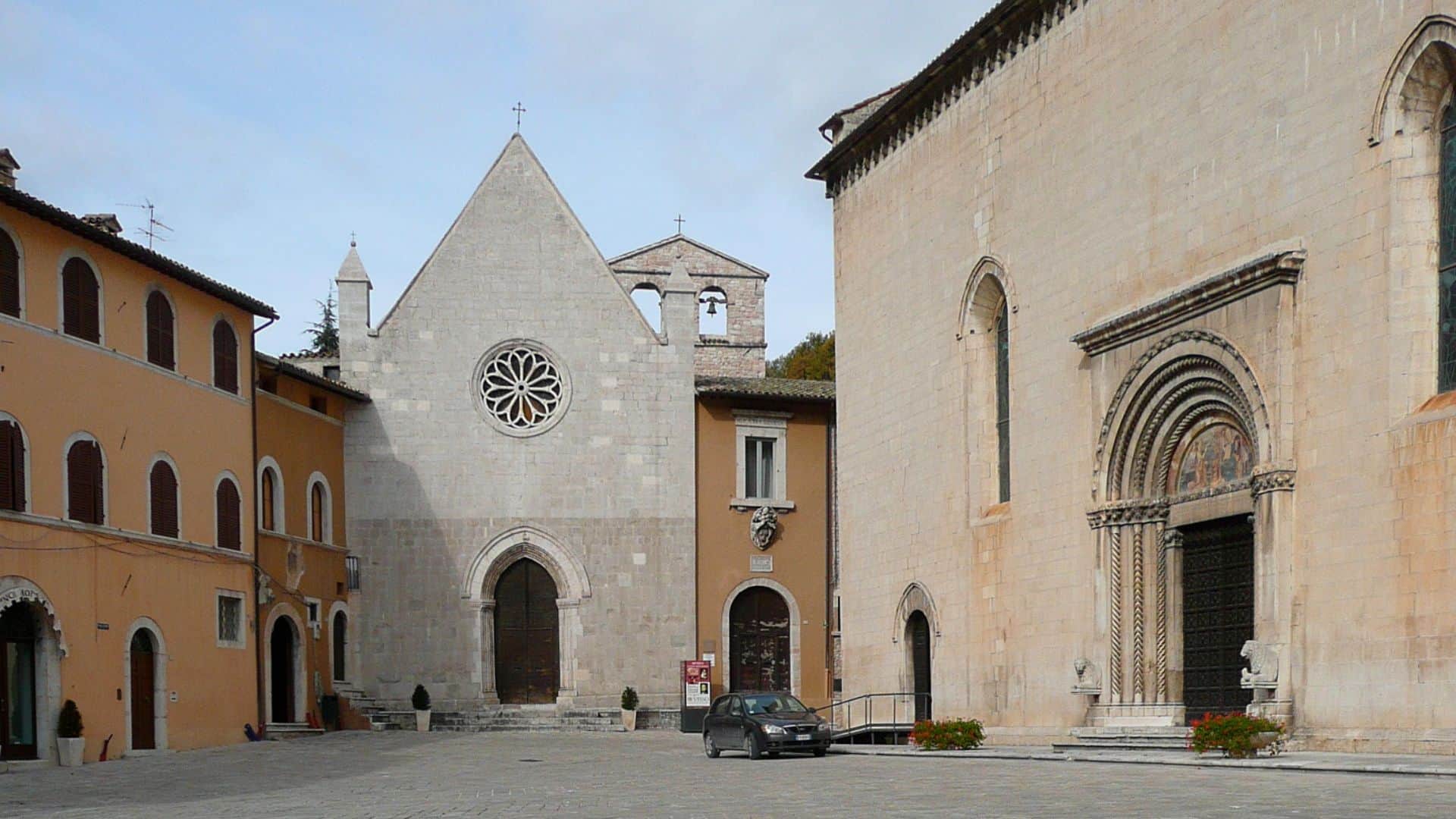
Located in Visso, it is one of the most famous museums in Italy for literature lovers.
In addition to the diocesan section which displays works of art from the area’s churches, the museum holds an invaluable treasure: a collection of original manuscripts by Giacomo Leopardi. Among these, some of the “Idylls” and “Moral Operettas” stand out.
What to See in the Sibillini Mountains: The Best Nature Trails
Exploring the Sibillini Mountains on foot is the best way to grasp their true essence. The Park’s trail network is vast and varied, capable of leading from the almost desert-like scenery of the highest peaks to lush valleys carved by rivers.
Gola dell’Infernaccio (Infernaccio Gorge) and Eremo di San Leonardo (Hermitage of Saint Leonard)
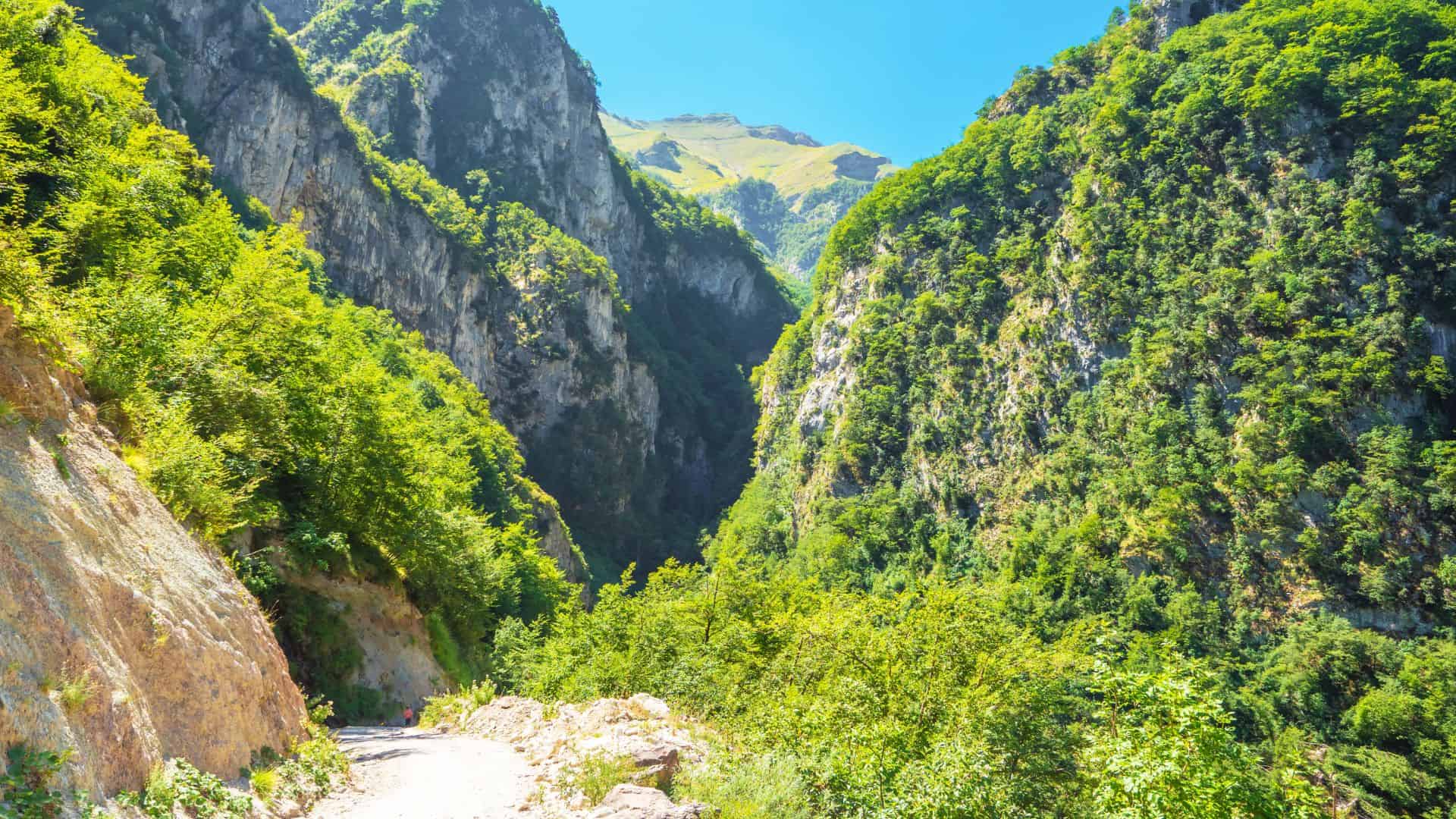
The Gola dell’Infernaccio is one of the most spectacular gateways to the Sibillini mountains. It is a natural canyon carved by the Tenna river between Monte Sibilla and Monte Priora.
The trail begins with the evocative “Pisciarelle,” small trickling waterfalls that fall from the rock face, before entering a narrow and imposing gorge.
Continuing through a dense beech forest, you climb up to the Eremo di San Leonardo. This place has an incredible history: it was rebuilt stone by stone, on the ruins of an ancient monastery, by the hermit monk Father Pietro Lavini over decades.
Lame Rosse Trail
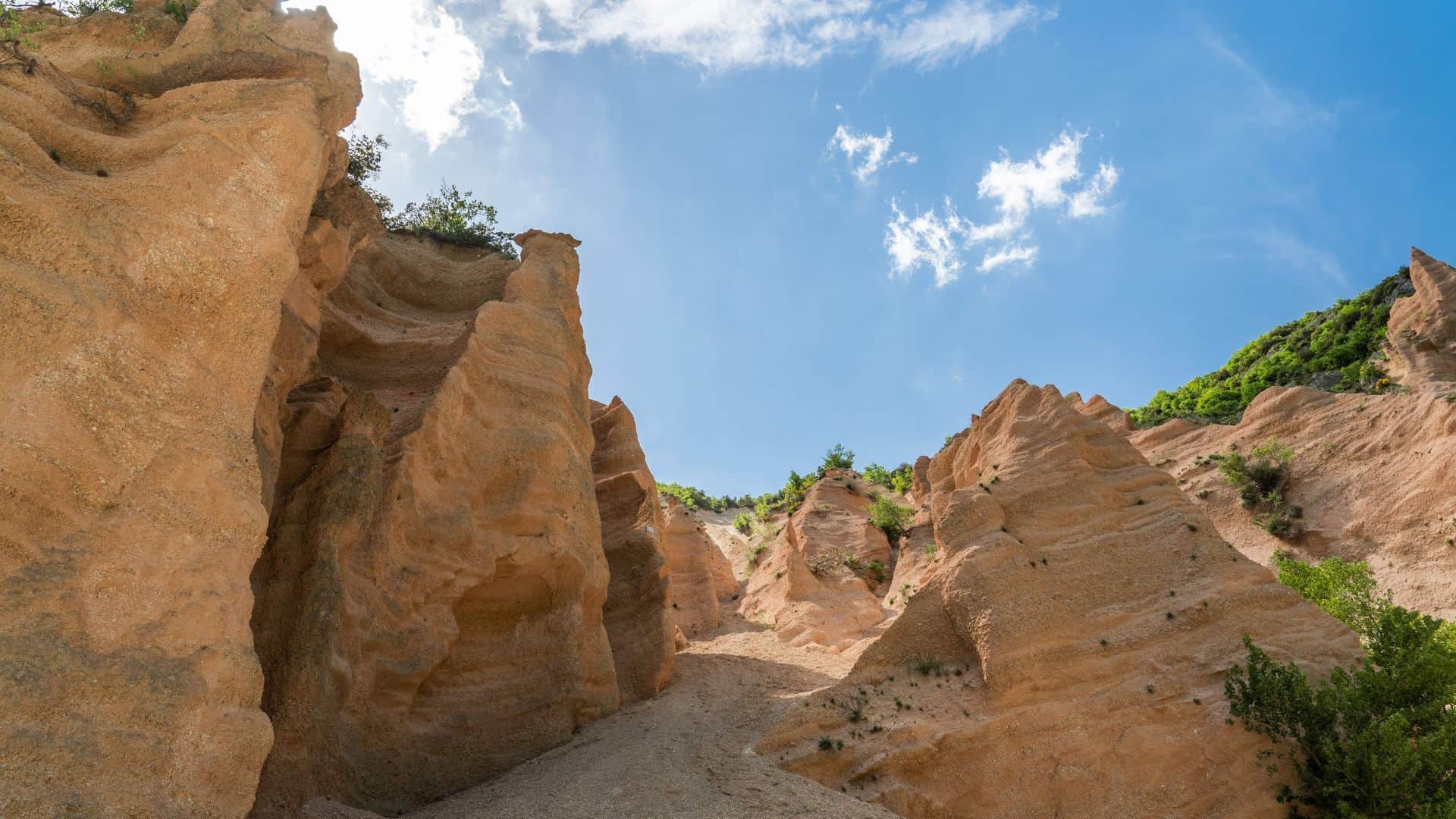
Known as the “Grand Canyon of the Marche,” the Lame Rosse are unique geological formations, created by the erosion of atmospheric agents that have exposed the iron-rich complex of the rock.
The trail starts from the dam of Lago di Fiastra, and winds along a path mostly shaded by vegetation, until it emerges in front of these imposing towers and pinnacles of intense red color.
The contrast between the red of the rock, the green of the holm oaks, and the blue of the sky creates an almost Martian scene. It is a medium-difficulty trail, very popular for its extraordinary photographic potential and for the fascination of standing before millennia-old natural sculptures in constant evolution.
We have included this stop in our guide to unknown places to visit in Italy. We recommend reading the article if you are curious to discover other unusual destinations like this one.
Trekking to the Cascata del Pisciatore (Pisciatore Waterfall)
Hidden among the woods of the northern side of the Park, in the territory of Ussita, the Cascata del Pisciatore is one of the most rejuvenating destinations in the Sibillini.
The trail to reach it is relatively short and does not have significant elevation changes, making it perfect for a relaxing walk immersed in nature.
The path winds along the stream, among beeches and maples, until it reaches the waterfall which makes a scenic leap over the rock.
Percorso delle Acque & Mulino (Water & Mill Path)
Located in the municipality of Pieve Torina, this itinerary is a real journey along the banks of the Sant’Angelo stream.
The trail, flat and accessible to everyone (very popular with families), retraces the ancient link between man and water power. Along the route, you can admire the ancient water mill, perfectly preserved, and several historic sluices.
The path is enhanced by wooden footbridges that cross the watercourse and shaded rest areas, offering a total immersion in a living river ecosystem.
Fiastra Lakeside Nature Trail Walk
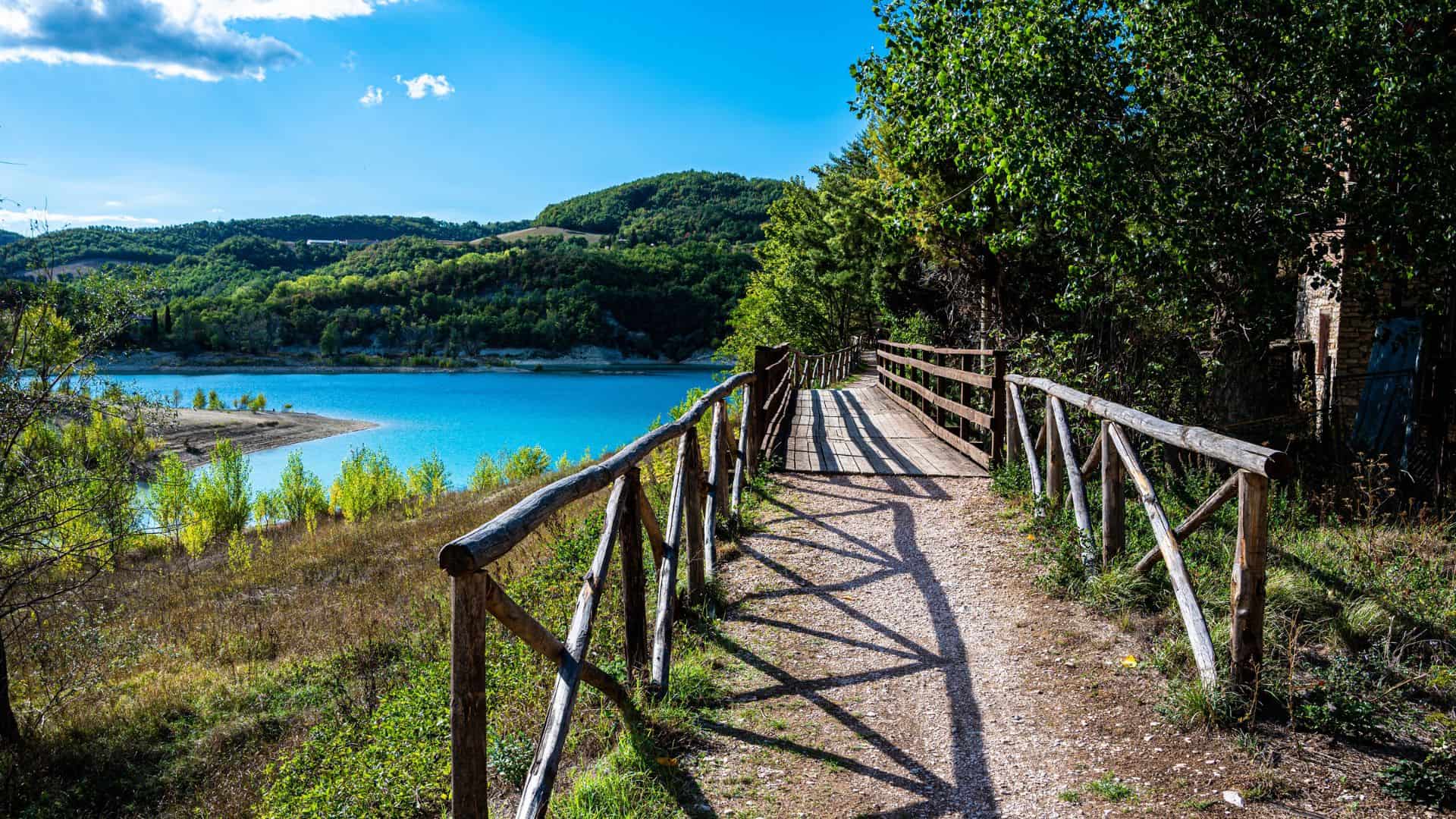
For those looking for a walk without excessive effort but with a high visual impact, the Sentiero Natura del Lago di Fiastra (Fiastra Lake Nature Trail) is a must-do choice.
It is a path that runs along the northern shore of the lake, connecting the San Lorenzo al Lago area with the dam.
The route is almost entirely flat and offers a constant view of the emerald waters of the basin and the surrounding peaks.
Along the walk, there are informational panels that illustrate the typical flora and fauna of the Park’s wetland areas.
The Flora and Fauna of the Sibillini Mountains National Park
The Sibillini Mountains National Park is an ecosystem of extraordinary complexity, where geological variety translates into a very rich biodiversity.
The landscape is dominated by imposing limestone peaks, such as Monte Vettore and Monte Sibilla, furrowed by deep valleys carved by rivers like the Nera, the Tenna, and the Aso.
As you gain altitude, beech forests give way to pastures, which in spring transform into a carpet of colors thanks to blooms like the Apennine edelweiss and Eugenia’s violet.
The fauna also tells the story of this territory’s wild beauty. With a little patience and luck, it is possible to spot the Apennine chamois; the woods are the realm of the Apennine wolf and the wildcat; while the golden eagle and the peregrine falcon soar in the skies.
There are also absolute rarities like the Chirocephalus marchesonii, the small crustacean that lives only in Lago di Pilato.
A Guide to the Authentic Flavors of the Area
The gastronomy of the Sibillini is a product of transhumance and mountain agriculture. You cannot visit this area without tasting the Lenticchia di Castelluccio di Norcia IGP (Castelluccio di Norcia PGI Lentil), famous for its very thin skin and delicate flavor.
Strong flavors dominate the table thanks to ciauscolo, the typical spreadable salami from the Marche, and the numerous pecorino cheeses, often aged in caves or under hay.
The undergrowth offers precious treasures like the black truffle of Norcia and porcini mushrooms, which enrich the typical dishes of the Marche, including handmade pasta or grilled meats.
Also worth trying is the “mela rosa dei Monti Sibillini,” an ancient and very fragrant apple that is now a Slow Food Presidium.
Final Travel Tips for Visiting the Sibillini Mountains
The Sibillini Mountains are a beautiful area that captivates with its ability to offer, in the same trip, mysticism, sporting adrenaline, and the pleasure of good food. It is a vast territory, where each side hides a different surprise.
Precisely because of the wealth of destinations scattered between Marche and Umbria, for a vacation that allows you to visit multiple places without rushing, a convenient and strategic base is needed.
The villas with pools by Anita Villas are the perfect solution for those looking for an excellent experience. Imagine returning, after a challenging trek to the Lame Rosse or a walk through the alleys of Norcia, to an exclusive residence, where the private pool, relaxation, and the silence of nature are the true protagonists.
We offer maximum comfort in prestigious architectural settings, giving you a place to rest comfortably each evening and recharge your energy for the next stop.
What are you waiting for? Find the villa of your dreams on our portal, book it, and get ready to live an unforgettable vacation in the beating heart of the Sibillini Mountains.