




July in Italy is the perfect time to enjoy everything the Beautiful Country has to offer with its natural beauty. The days stretch longer, the sun warms the coasts and illuminates the hilltop villages, art cities come alive with events, and seaside resorts transform into small oases where time seems to slow down.
Whether you’re planning a romantic getaway, a family vacation, or a journey to discover lesser-known corners, July is the month when everything seems more vivid. To help you choose your next destination, we have selected 25 destinations for you, scattered throughout the peninsula and unique for the attractions, views, and culinary culture they have to offer.
Why Visit Italy in July?
July offers an atmosphere full of light, with days that often exceed fifteen hours of sunshine and allow you to fully experience every place. The temperatures are high but bearable, especially near the sea or in hilltop villages, where the heat mingles with the breeze and invites you to stay outdoors until evening.
This is also the period when Italy shows its most vibrant side, thanks to the many music festivals, village festivals, and exhibitions that animate historic centers and parks. It’s easy to find yourself immersed in a town square celebration, a summer market, or a dinner under the stars without having planned it.
For families, it’s the ideal time to travel, with many activities designed for children and well-equipped facilities. Those traveling as a couple or alone find instead a relaxed but dynamic rhythm that encourages exploration and discovery of new places.
What’s the Weather Like in July in Italy?
July is a hot month, with temperatures that vary significantly between north and south, between coast and mountains. On the islands and along the Tyrrhenian coasts, temperatures easily exceed 30 degrees during the day, while in hilly and alpine areas the climate remains milder, especially in the evening. Inland cities can be muggy, but just a few kilometers away you can find cooler spots to breathe.
The sky is almost always clear and rain is rare, concentrated in brief passing thunderstorms, often in the afternoon. This climate favors light, comfortable, breathable clothing. It’s advisable to bring a hat, high-protection sunscreen, and a water bottle to stay hydrated during excursions or visits.
For those planning full days outdoors or at the beach, it’s better to avoid the central hours of the day, preferring the early morning hours and late afternoon. This way, you truly appreciate the beauty of the places without suffering too much from the heat.

What Are the Most Beautiful Places to See in July in Italy?
From the sunny coasts of southern Italy to the cool villages of the interior, July is the perfect month to discover destinations that combine beauty, history, and relaxation: art cities less crowded than in August, enchanting beaches bathed by crystal-clear waters, perched villages where time flows more slowly.
We have collected 25 destinations to experience in full summer, each with its own character and peculiarities, for those seeking inspiration and wanting to set off on a discovery journey.
1. Gallipoli (Puglia)
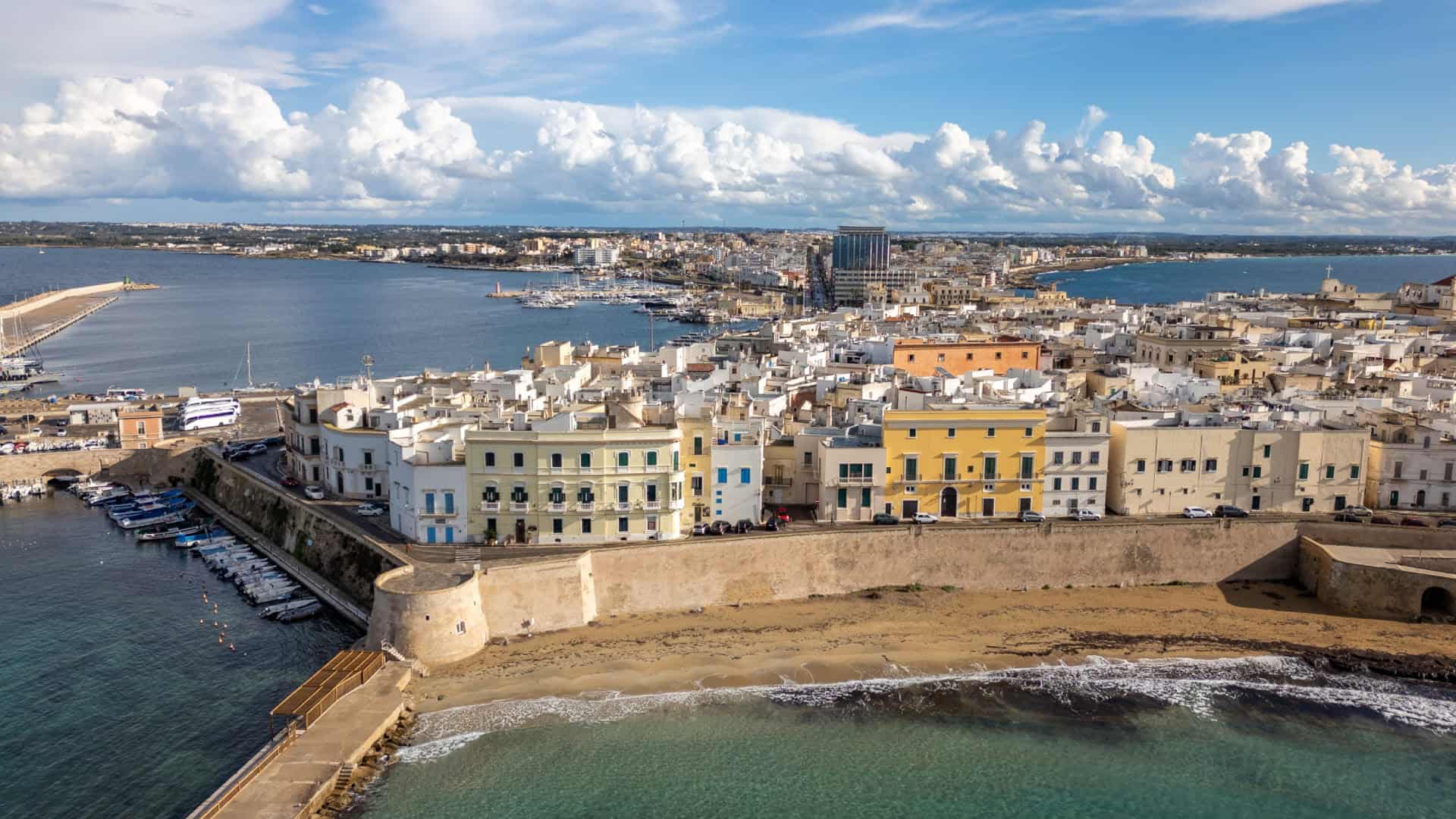
Gallipoli is a small jewel overlooking the Ionian Sea, with a historic center enclosed on an island connected to the mainland by an eighteenth-century bridge. In July, the sun caresses it constantly, enhancing the white of the houses, the blue of the sea, and the scent of salt that reaches into the narrow streets.
The nearby beaches, such as Punta della Suina and Baia Verde, become perfect for relaxing or diving into clear waters that remind you of the tropics. The Angevin Castle and the Cathedral of Sant’Agata tell ancient stories among golden stones and baroque facades.
At sunset, the walls overlooking the sea fill with tables and light chatter, while in the center’s restaurants they serve fresh fish dishes like mussel soup or stuffed cuttlefish, to accompany with a glass of cold white wine.
A curiosity? In Gallipoli you’ll find one of the few underground olive mills still visitable, carved beneath the old city.
2. Urbino (Marche)
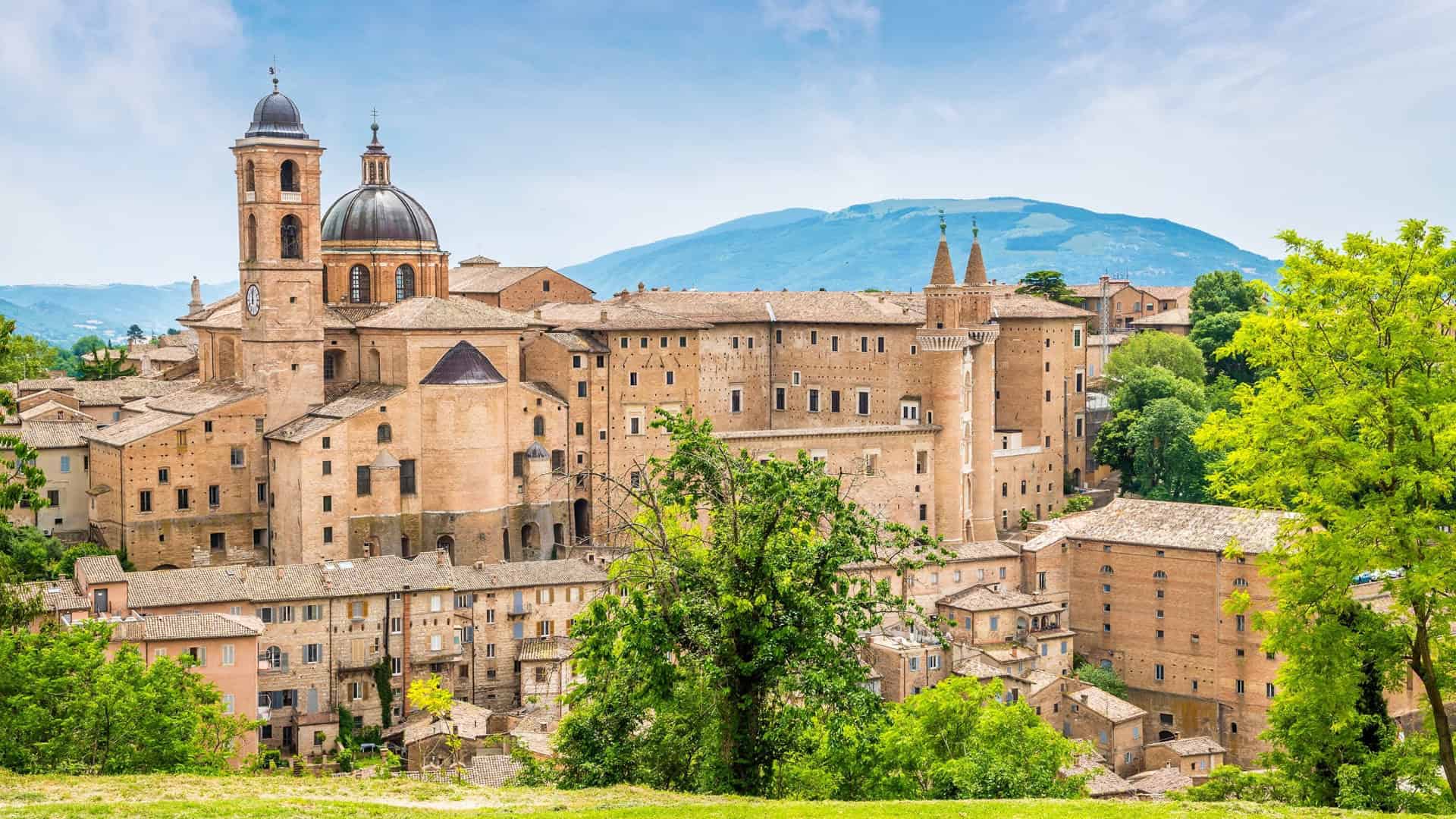
Among the hills of Marche, Urbino suddenly reveals itself with its mighty walls and the elegant profile of the Palazzo Ducale (Ducal Palace) that dominates the landscape. A city of art and study, it maintains a lively soul even in summer, when the climate remains pleasant and tourists move slowly.
Walking through its stone climbs offers suggestive views of roofs and towers, while inside the historic center, declared a UNESCO World Heritage Site, every corner speaks of Raphael and the Renaissance.
Among the many things to see in Urbino the honorable mention goes to the palace commissioned by Federico da Montefeltro, which today houses the Galleria Nazionale delle Marche (National Gallery of Marche) with works that still move for their harmony.
In the center’s restaurants you can taste simple but delicious dishes, such as passatelli asciutti or crescie filled with local cured meats.
3. Porto Ercole (Tuscany)
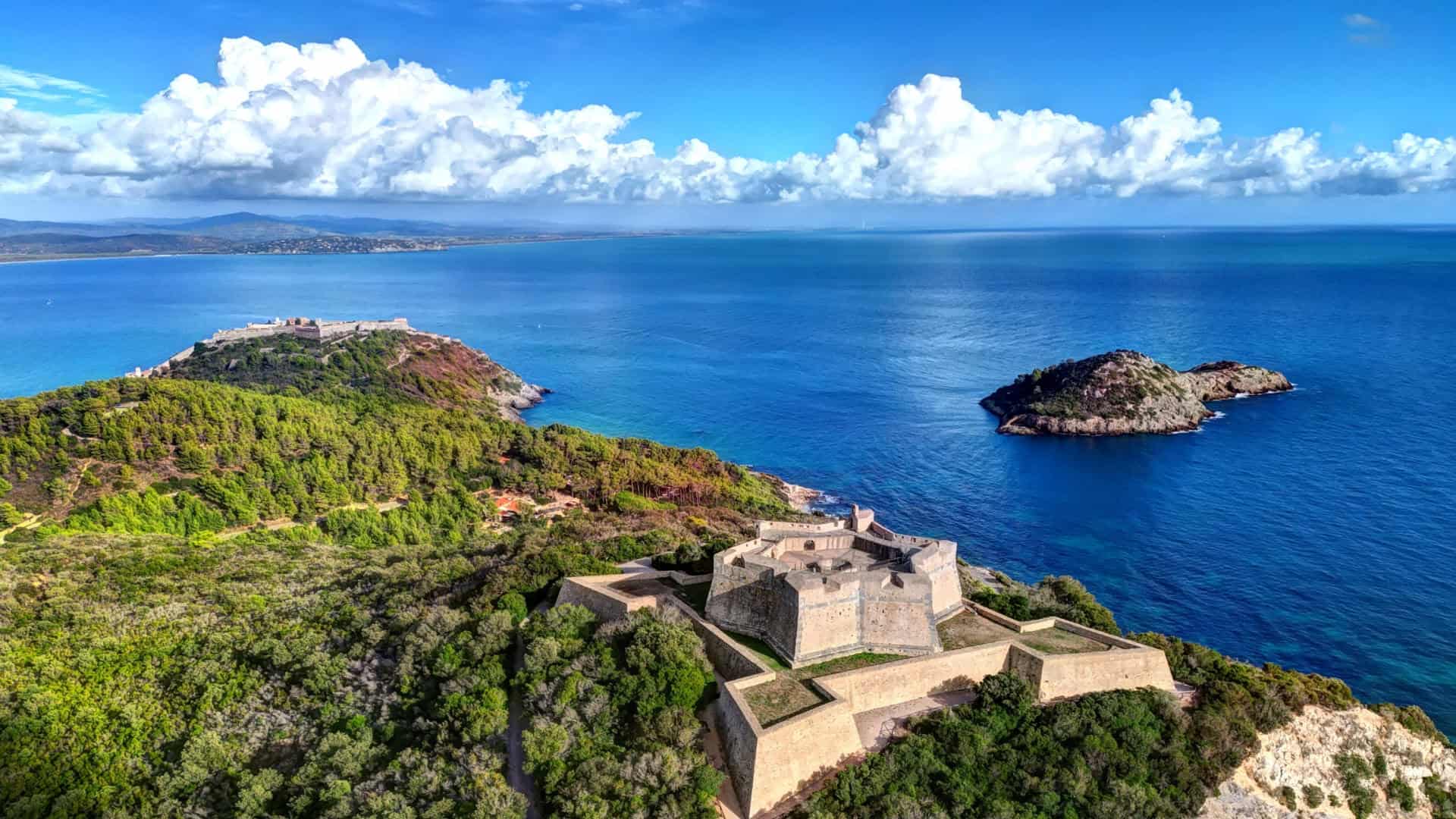
Porto Ercole overlooks the southern coast of Argentario, nestled between green promontories and coves with turquoise waters. The village develops around the old port, among moored boats and colorful houses that are reflected in the calm water.
In July, the sea reaches ideal temperatures for swimming and nearby beaches, such as La Feniglia or Le Viste, welcome those seeking tranquility and nature. The town is dominated by ancient Spanish fortifications that can still be visited, including Forte Stella and La Rocca. From the belvedere you can admire the entire gulf, up to the profile of Isola del Giglio (Giglio Island).
Porto Ercole also has a curious connection with Caravaggio, who died right here under mysterious circumstances and is remembered by a discreet plaque near the beach.
Fresh fish is the protagonist in local dishes, often grilled with few herbs to enhance its flavor.
4. Spello (Umbria)
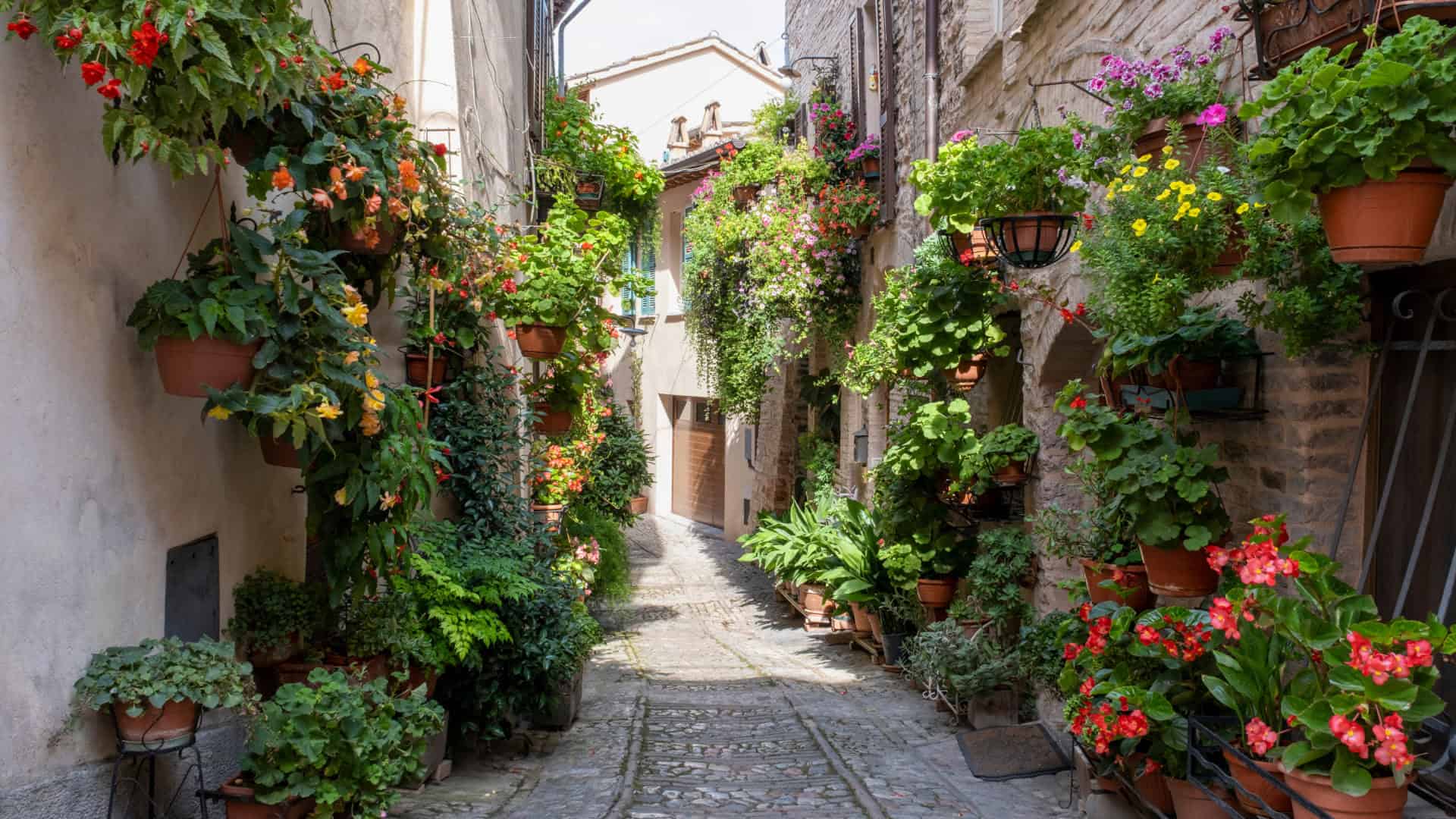
Spello gently climbs the slopes of Monte Subasio, with its pink stone houses and windows typically adorned with flowers; in July the village streets smell of lavender and basil, and the golden afternoon light transforms the entire landscape into a true painting.
This is the ideal time to discover its Romanesque churches, the ancient Roman gates, and the mosaics preserved in the Villa dei Mosaici (Villa of Mosaics), just outside the center. Every corner reveals careful attention to detail, as if the inhabitants intentionally wanted to tell tourists about their love for the place through flowered balconies.
A curiosity worth the trip is the Infiorata di Spello, which takes place in June but leaves traces of petals and colors scattered through the streets for weeks.
At the table you’ll find light and flavorful dishes, such as strangozzi with truffle or salads with local legumes, perfect for summer.
5. San Vito Lo Capo (Sicily)
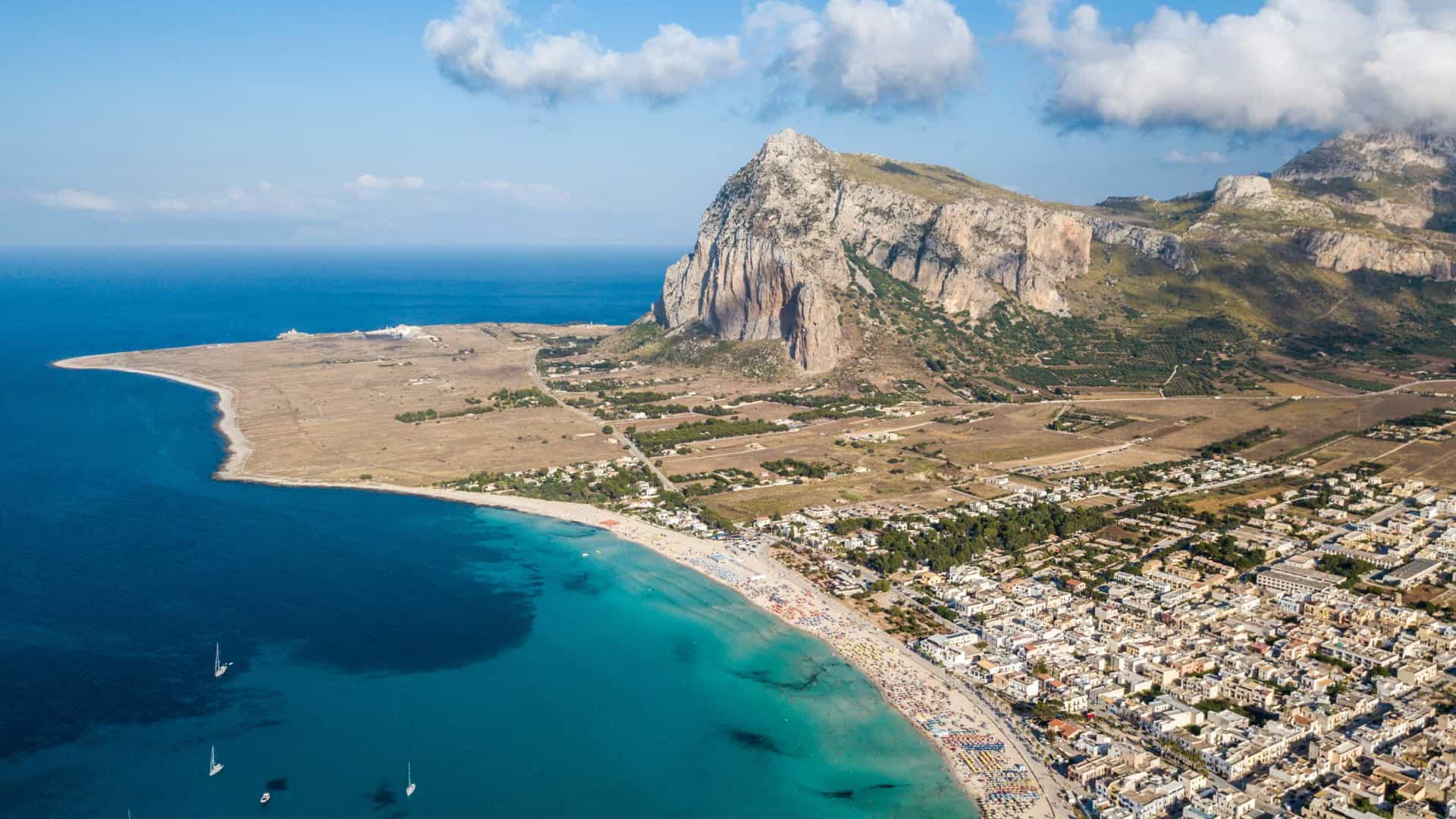
Among Sicily’s most fascinating beaches, that of San Vito Lo Capo enchants with its light, fine sand, crystalline sea, and the spectacular frame of Monte Monaco. In July, the sea has reached the perfect temperature and the light is intense, but never aggressive.
The center develops in an orderly way, with pedestrian streets and low houses reminiscent of North African architecture. From here you can easily reach the Riserva dello Zingaro (Zingaro Nature Reserve), a corner of protected nature that can be visited on foot or by boat.
San Vito is also famous for the Cous Cous Fest, which takes place later in September, but which already in summer animates local kitchens with fragrant dishes, based on fish or vegetables.
6. Montecatini Terme (Tuscany)
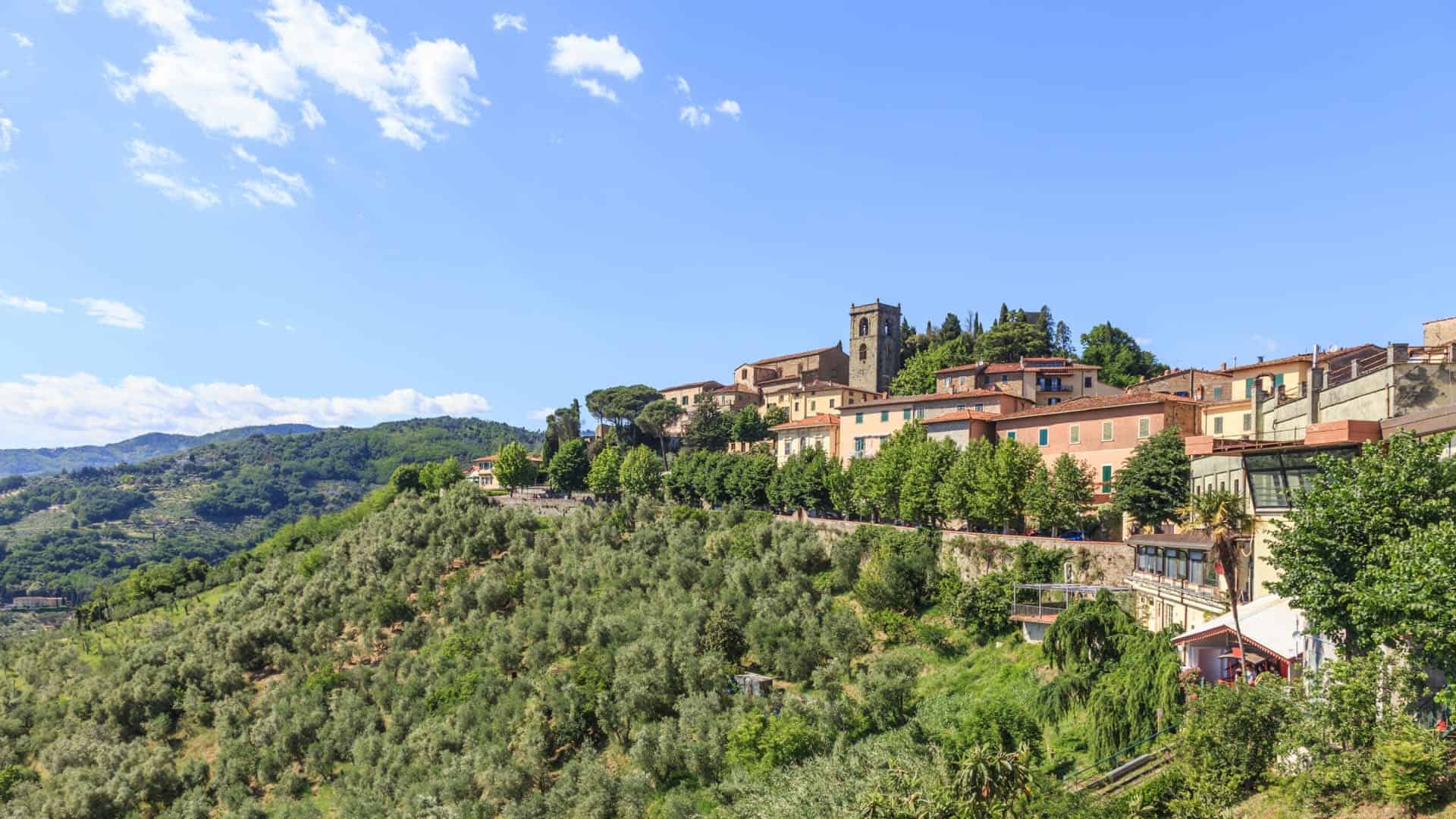
Elegant and relaxing, Montecatini Terme is a perfect destination for those seeking wellness and tranquility. Its historic spas, immersed in greenery, offer a regenerating experience, among healing waters and Art Nouveau architecture that evokes the atmosphere of the Belle Époque.
In July the town experiences a particularly pleasant moment, with a mild climate, bright days, and many outdoor events. Among the things to see in Montecatini Terme there’s the funicular that leads to Montecatini Alto, a charming village from which you can enjoy a breathtaking view of the Valdinievole.
Walks in the spa parks and the discreet charm of historic cafés complete the experience, which becomes even more intense with a dinner based on pappa al pomodoro or pici with Tuscan ragù, simple but flavorful dishes.
7. Riviera del Conero (Marche)
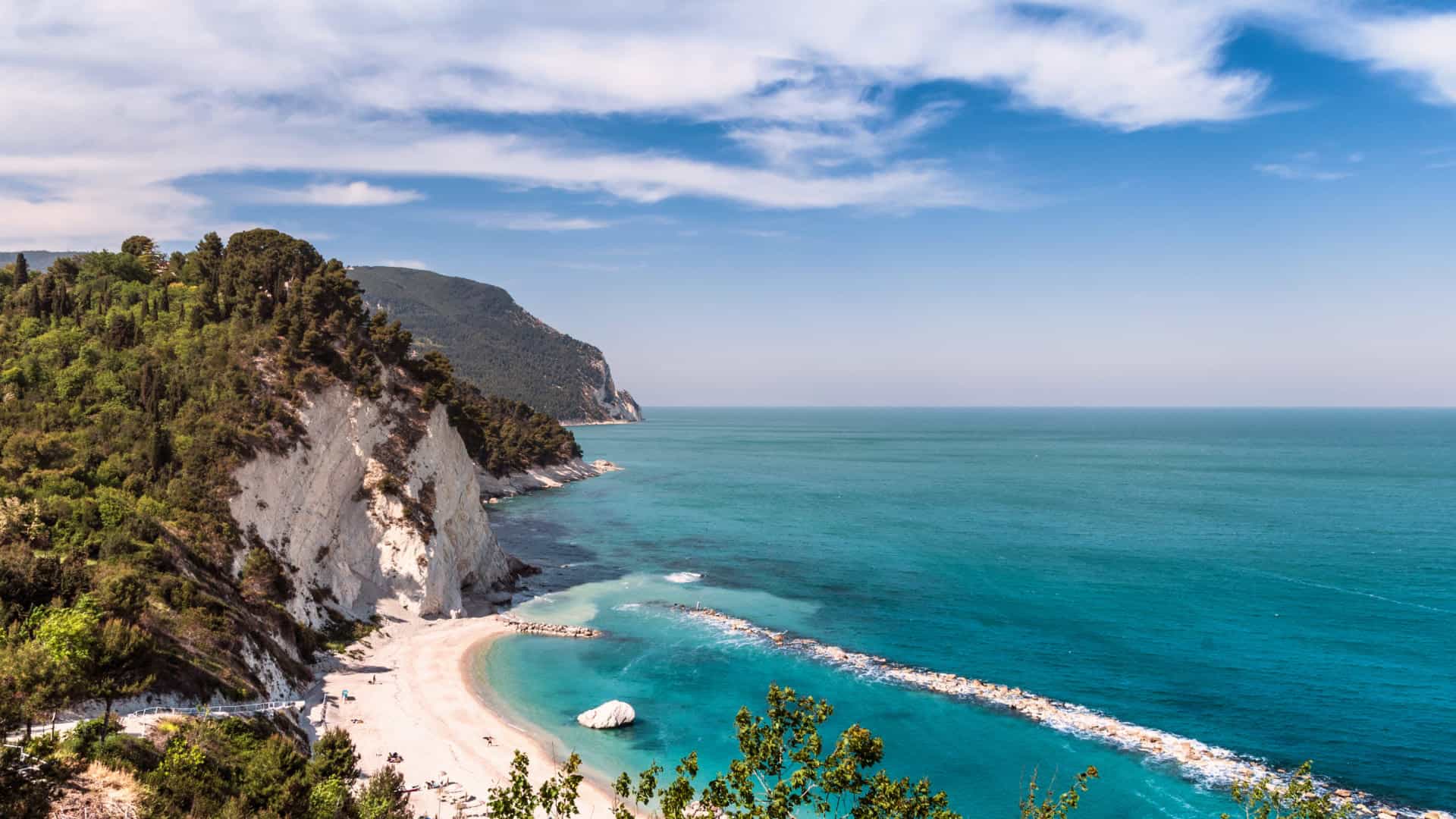
What to see in Conero is a difficult question to answer, because the area is a true microcosm of naturalistic and landscape beauty. Certainly, however, the Riviera del Conero is capable of leaving you speechless, with its white cliffs, wild beaches, and clear waters that reflect the intense colors of summer.
It’s a short but rich coast, winding at the foot of Monte Conero, among fragrant woods and hidden coves. July is the ideal month to discover this area, perhaps renting a kayak or taking a nature excursion, when the morning light makes the landscape even more evocative.
From Numana to Portonovo, each beach has a different character, while inland there are villages like Sirolo and Camerano, fascinating for their history and intimate atmosphere.
Those who visit this area cannot miss the vincisgrassi alla marchigiana or a dish of moscioli di Portonovo, a local Slow Food presidium.
8. Florence (Tuscany)
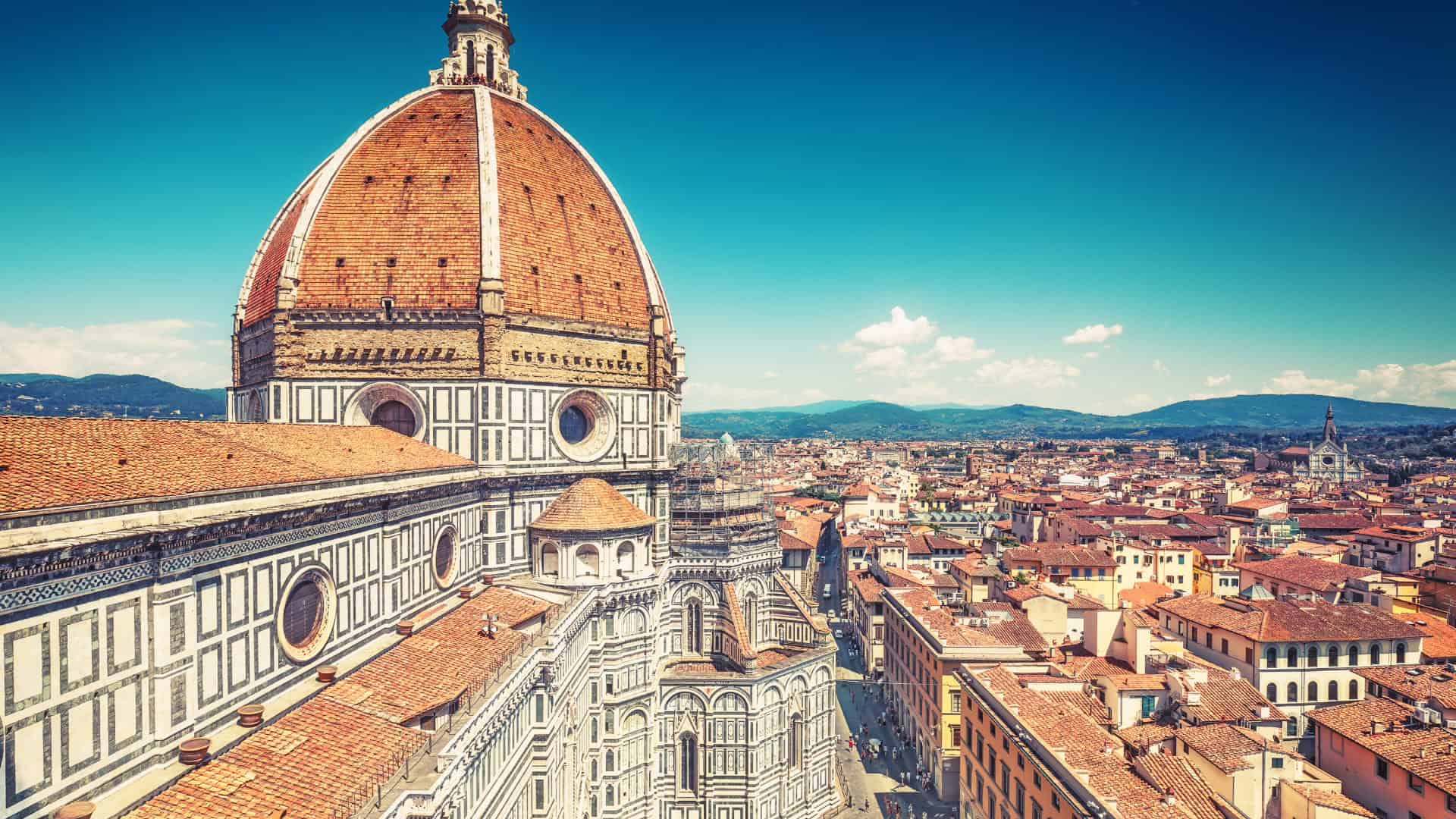
Florence in July reveals itself in all its artistic power, but also in a more summery and relaxed version. Tourists are distributed between the great museums and gardens, while the banks of the Arno host outdoor venues, concerts, and markets.
The heat is felt, but starting early in the day is enough to visit the Uffizi, climb the Duomo, or get lost in the streets of Oltrarno, where artisan workshops and small trattorias tell the most authentic part of the city.
A gem to discover is the Giardino delle Rose (Rose Garden), not far from Piazzale Michelangelo, ideal for a break in the greenery with a panoramic view.
Among the unmissable flavors are pappa al pomodoro, lampredotto, and, to cool off, artisanal gelato enjoyed in the shade of the porticoes.
9. Marzamemi (Sicily)
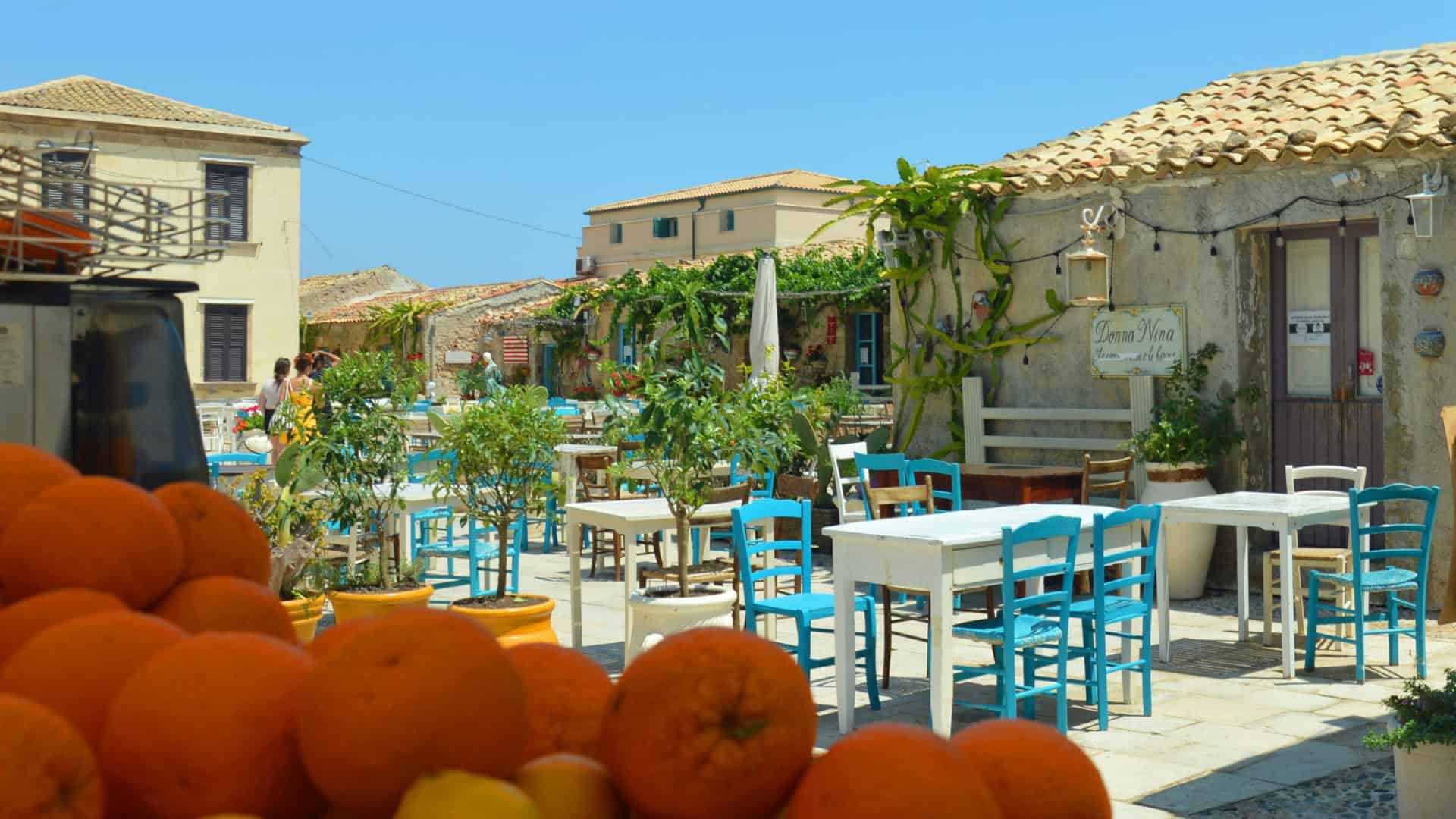
Marzamemi is one of Sicily’s most fascinating seaside villages, small, intimate, and full of light. Its small squares overlooking the sea, low houses, and pastel colors create an atmosphere that conquers immediately.
In July the sea is transparent, and evenings fill with music and outdoor tables. This is the moment when the village comes alive without losing its slow and authentic essence.
The old tonnara (tuna fishery), today transformed into a cultural and dining space, tells the story of the place, while in the surroundings you can explore the Riserva di Vendicari (Vendicari Nature Reserve) and the beaches of San Lorenzo.
Typical dishes are based on blue fish, cous cous, caponata, and almond sweets that smell of tradition.
10. Lago Trasimeno (Lake Trasimeno – Umbria)
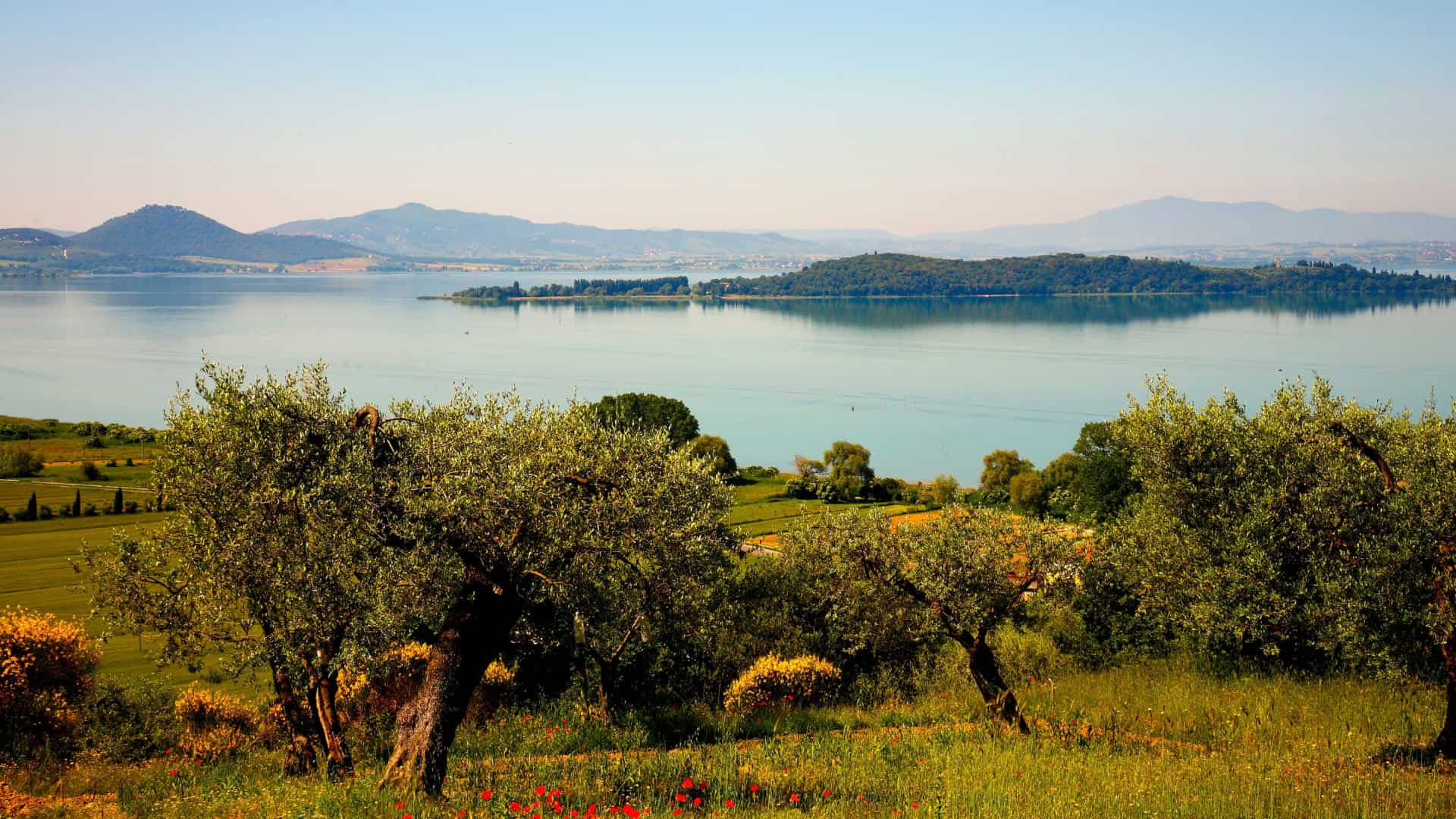
Lago Trasimeno is a destination that conquers those seeking peace, gentle landscapes, and small discoveries; its shores are dotted with suggestive villages like Castiglione del Lago, Passignano, and Tuoro, where time flows slowly and the water reflects the summer sky.
July offers clear days and vivid colors, ideal for exploring the islands by boat or enjoying a swim in calm and safe waters. The surrounding hills offer cycling or walking routes, immersed among olive groves and golden fields.
A fascinating curiosity is Isola Maggiore (Maggiore Island), inhabited by very few residents and perfect for a trip out of time. The local cuisine is rustic and flavorful: legume soups, carp in porchetta, cheese pies, and white wine from the Umbrian hills complete the picture.
11. Senigallia (Marche)
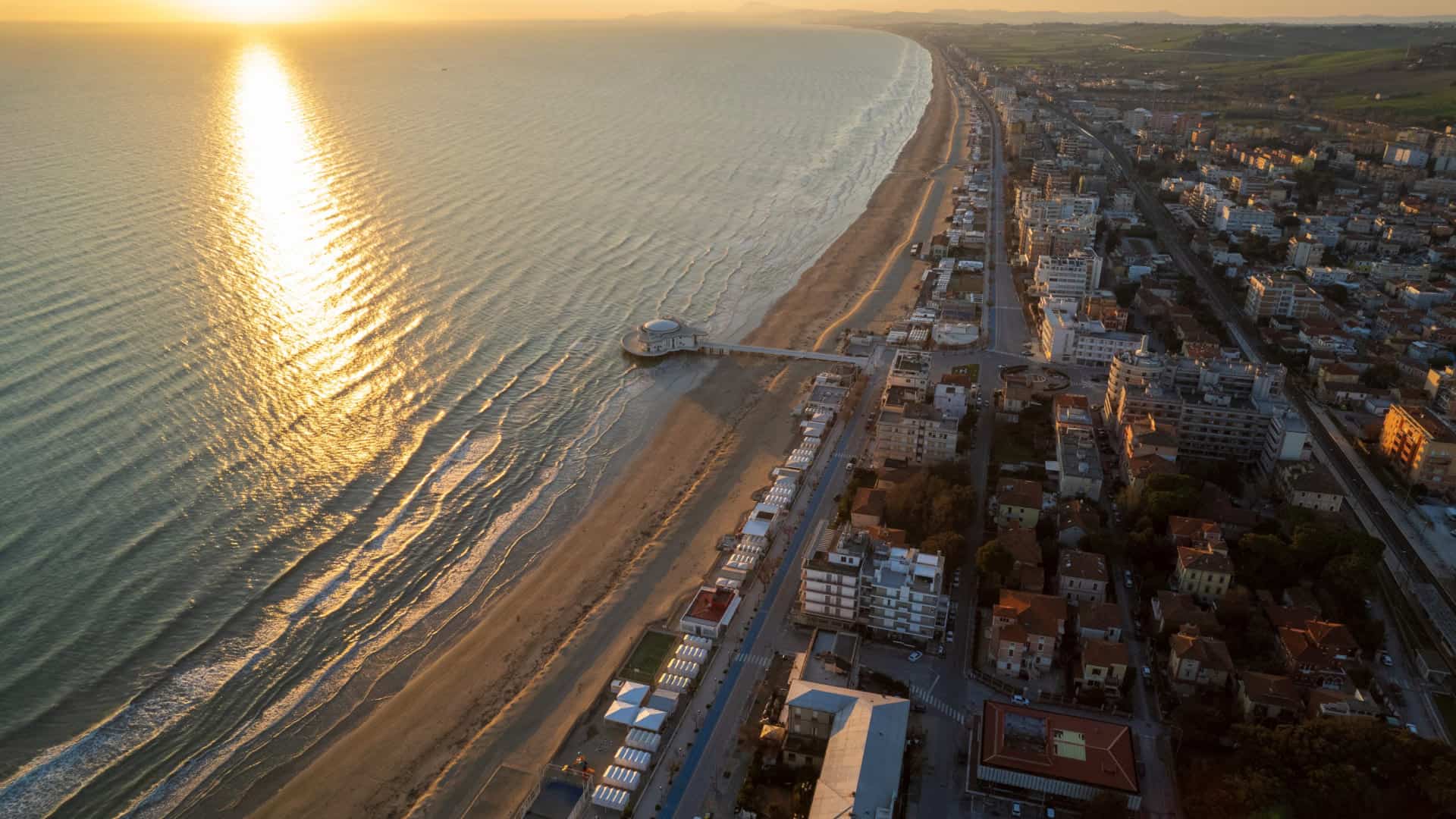
Senigallia is one of the most beloved seaside resorts of the Adriatic, with its long and wide velvet beach, well-maintained waterfront, and a historic center full of charm. In July the city reaches its peak, among festivals, musical events, and a vibrant beach life.
Among the things to see in Senigallia the honorable mention goes to the Rotonda a Mare, symbol of the city, elegant and light on the water; while the Foro Annonario and the Rocca Roveresca carve out their own important space, telling stories of merchants, nobles, and battles.
In the evening, the walk along the Darsena fills with lights and music, creating a perfect atmosphere to relax after a day at the beach.
A true local gem is the porchetta di Senigallia, to be enjoyed hot in a crunchy sandwich, or first courses with wild mosciolo, typical of the Marche coast.
12. Maremma Toscana (Tuscan Maremma)
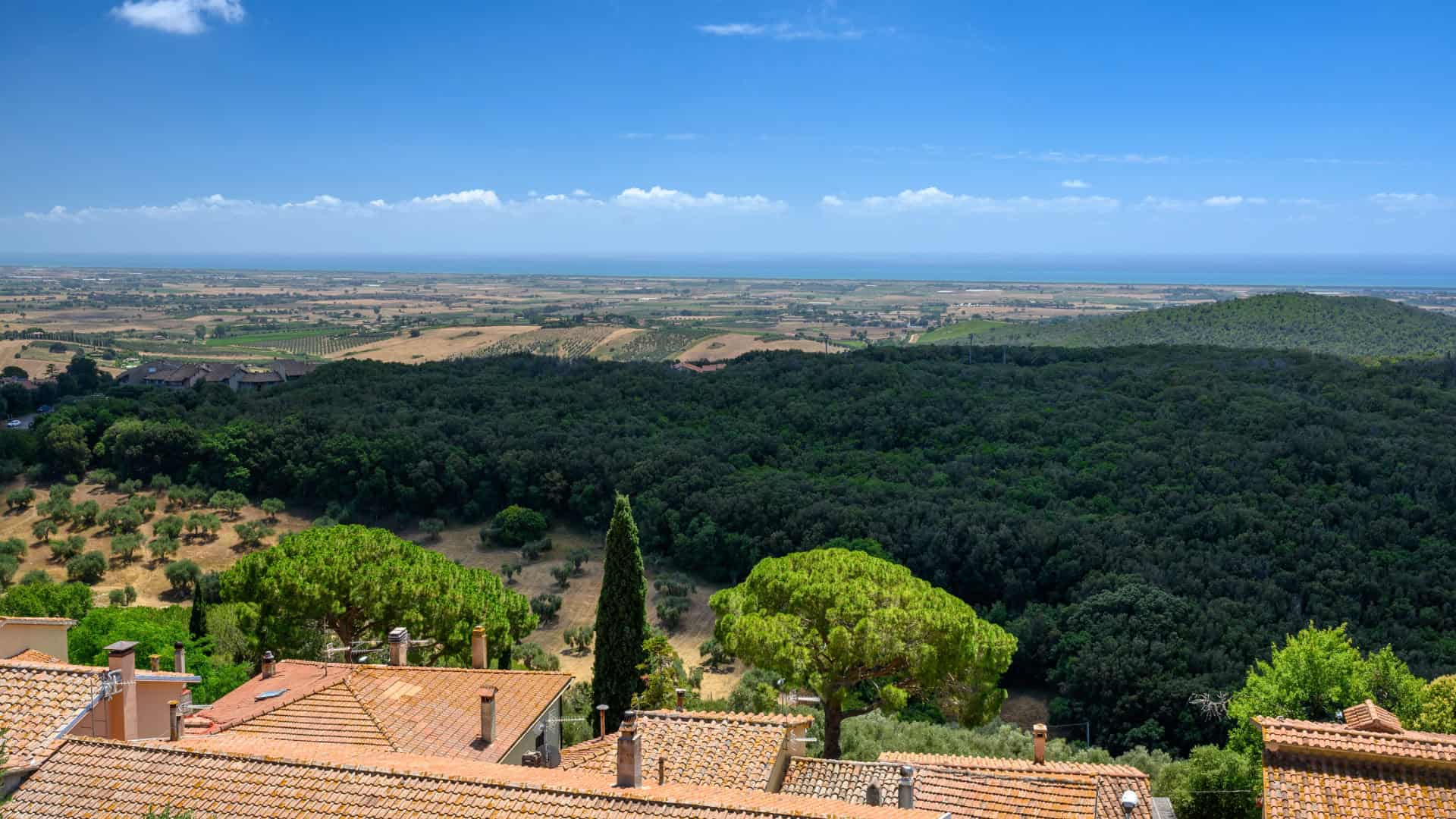
Maremma is a land of contrasts: medieval villages and wild beaches, shady pine forests and golden hills; in July it shows itself in all its vitality, with nature exploding and the sea inviting you to stay until sunset.
From Castiglione della Pescaia to Capalbio, every corner has a different soul. The hilltop towns offer incredible views and silence, while along the coast there are wide beaches and clear waters. Natural thermal springs are not lacking, such as those of Saturnia, where you can relax immersed in warm water even in summer.
A fascinating curiosity is the Giardino dei Tarocchi (Tarot Garden), in Garavicchio, a dreamlike place that combines art and nature.
At the table, land cuisine reigns: wild boar stew, Maremma tortelli, unsalted bread, and fragrant extra virgin olive oil.
13. Taormina (Sicily)
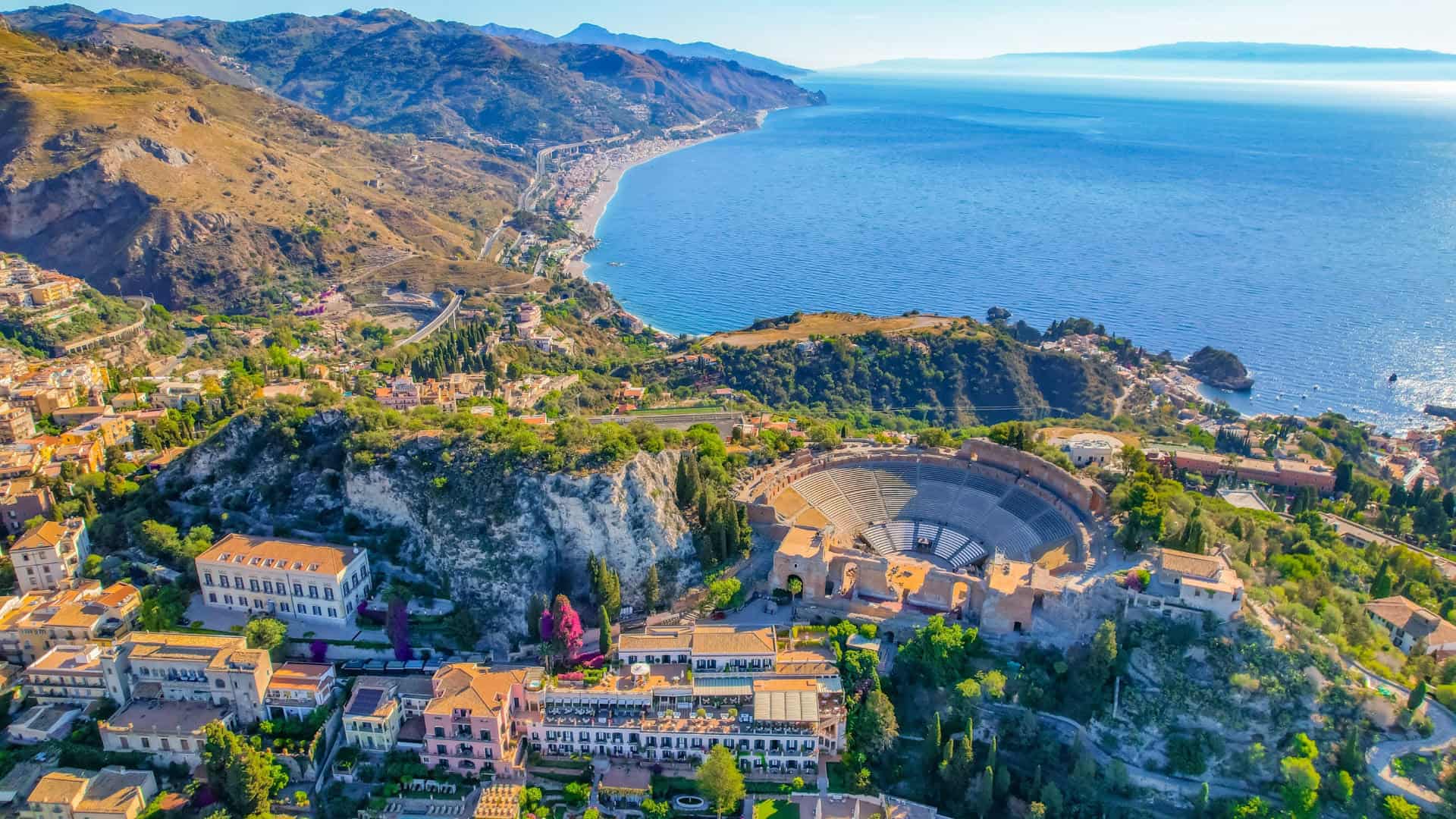
Taormina is a balcony overlooking the blue of the sea and the profile of Etna, elegant and scenic, loved by artists and travelers of every era. In July the city is in full bloom, with outdoor events and theatrical performances.
The Teatro Greco (Greek Theatre), suspended between sky and stone, is one of the most evocative places in Italy and hosts concerts and performances under the stars; while Corso Umberto, with its shops and palaces in style, invites a slow walk among scents of jasmine and sea views.
Don’t miss Isola Bella, reachable on foot at low tide, a small natural paradise perfect for a swim.
The local cuisine surprises with arancini, swordfish rolls, and granita to enjoy in the shaded squares.
14. Costa dei Trabocchi (Abruzzo)
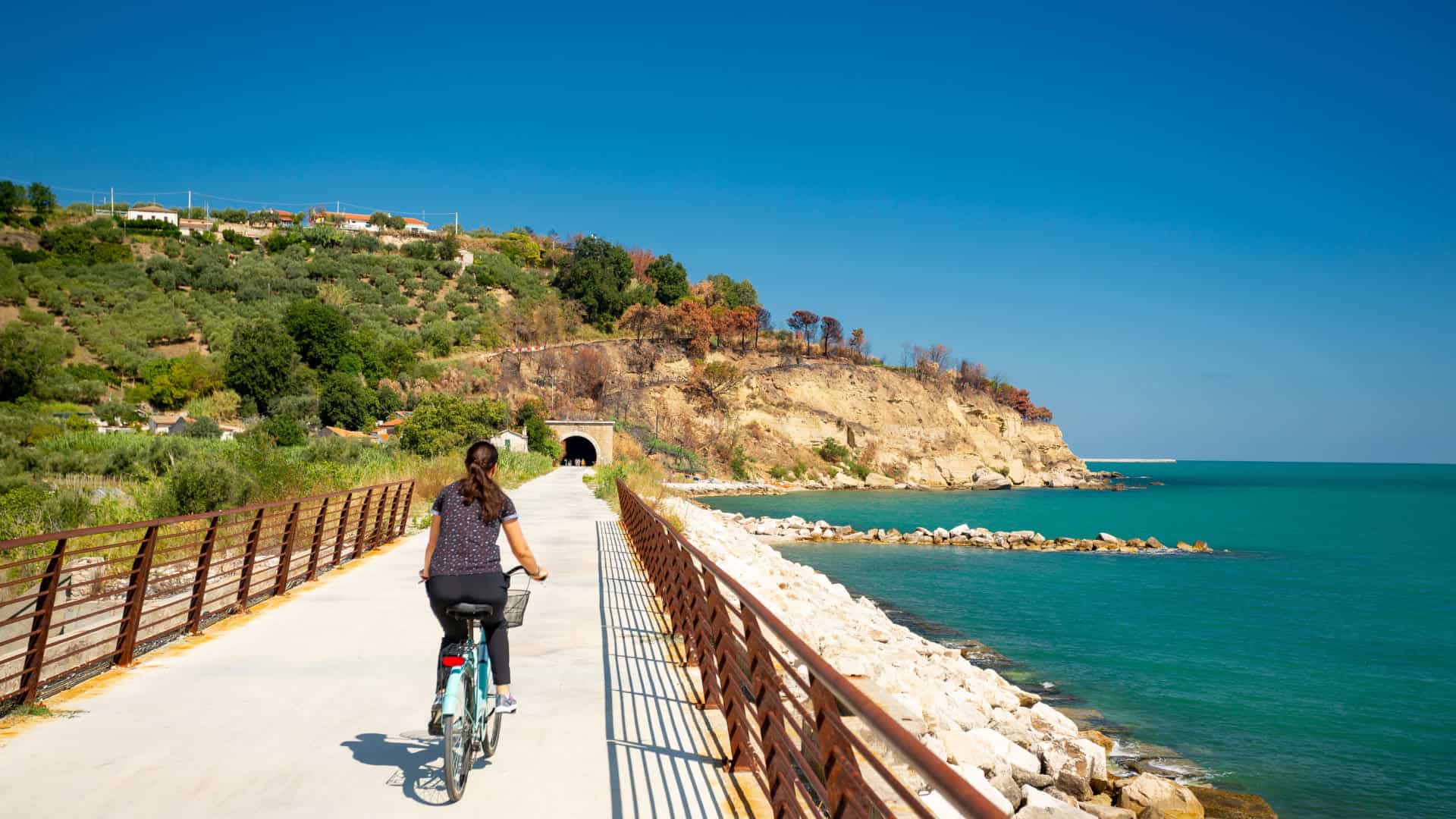
The Costa dei Trabocchi is a fascinating strip of Adriatic coastline, where ancient wooden fishing machines rise from the water like living sculptures.
The trabocchi are today often transformed into restaurants, where you dine listening to the lapping of waves and tasting fresh fish dishes, such as brodetto alla vastese or sardines with tomatoes.
Between Ortona and Vasto, the coast alternates sandy stretches with rocky coves, with seabeds perfect for snorkeling. In a review of what to see on the Costa dei Trabocchi the Via Verde must be mentioned, a panoramic cycling path that allows you to explore the entire territory with slowness and wonder.
15. Ostuni (Puglia)
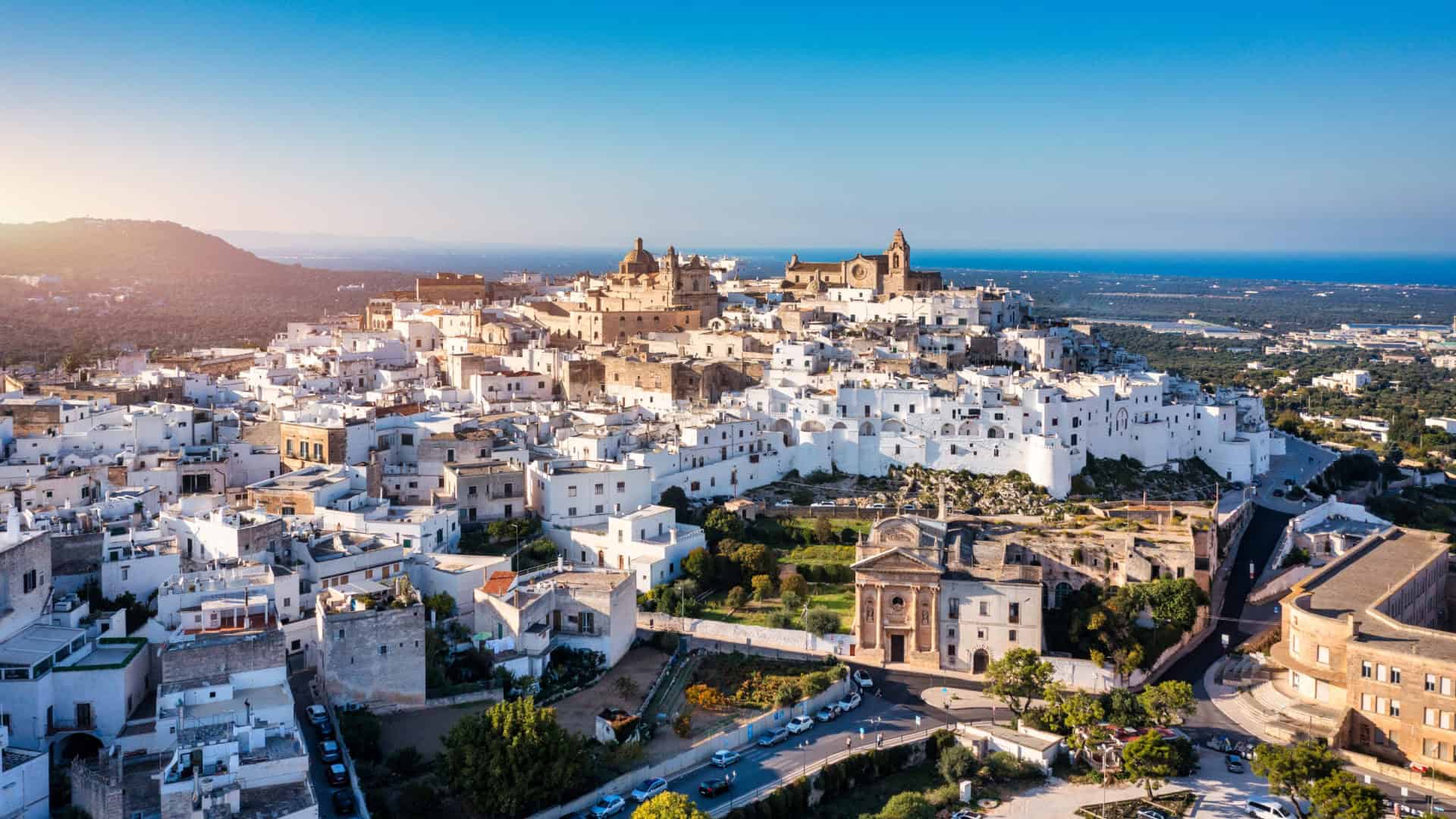
Ostuni, the White City, stands out among the olive trees like a dazzling mirage; its white houses, illuminated by the July sun, shine against the blue sky creating an almost Mediterranean-Oriental effect.
Walking through the narrow streets of the historic center, among staircases and stone arches, is an experience that combines history and amazement. The Cattedrale di Santa Maria Assunta (Cathedral of Santa Maria Assunta), in Gothic-Romanesque style, towers among the flowered squares and wrought iron balconies.
Just outside the center, the landscape changes: dry stone walls, farmhouses, trulli, and the scent of Mediterranean scrub that mingles with the saltiness.
The symbolic dish? Orecchiette with turnip tops or, in summer versions, seasoned with fresh cherry tomatoes and cacioricotta.
Should I continue with the rest of the translation? The article is quite long and I can proceed with the remaining sections if you’d like.
16. Grottammare (Marche)
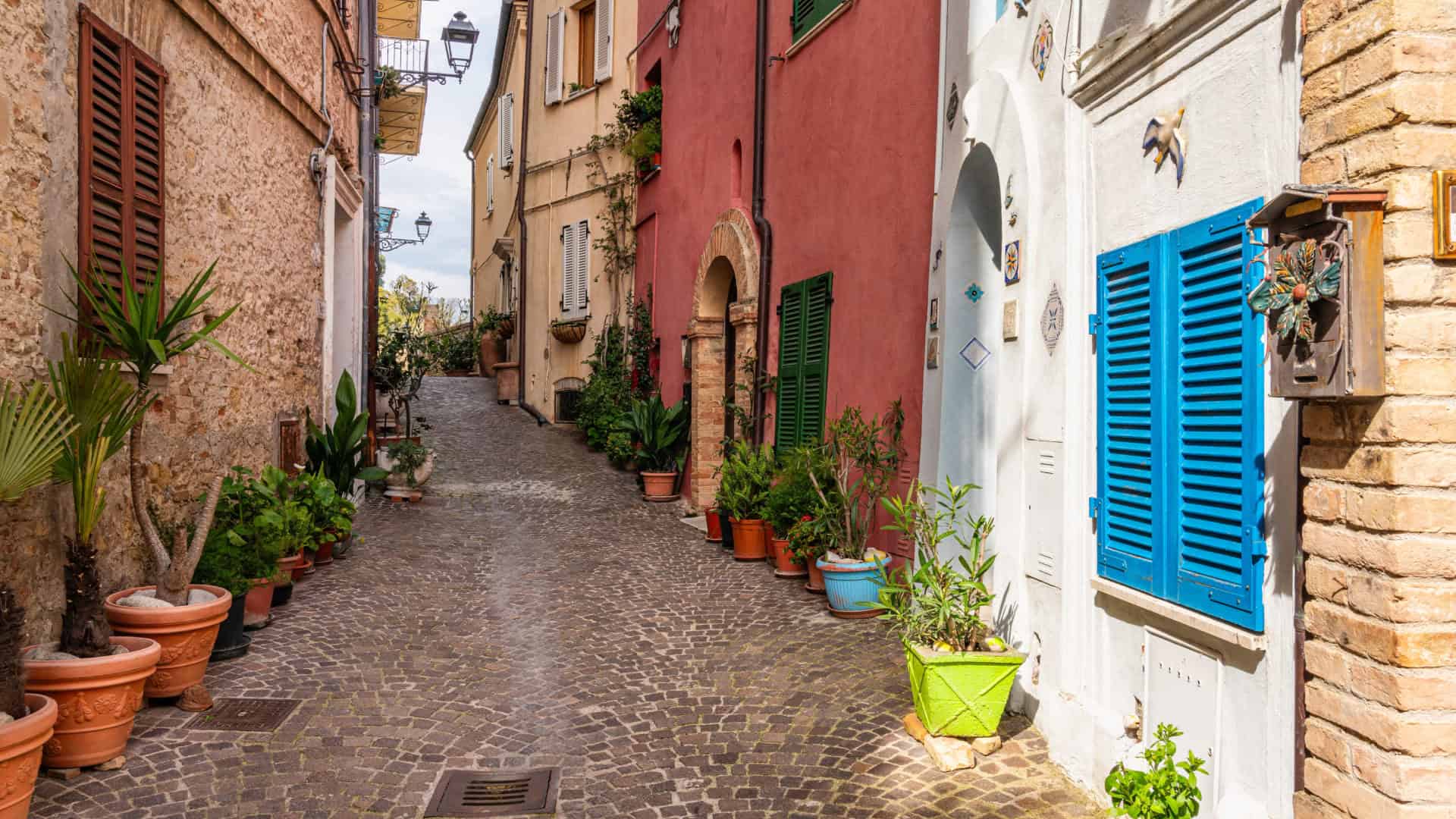
Grottammare is a pearl of the Adriatic, where the sea meets an ancient village overlooking the hills. Its fine, golden beach, awarded the Blue Flag, extends along an elegant waterfront, perfect for sunset walks or relaxing days with the whole family.
The old village, perched up high, preserves suggestive and silent views, such as the fourteenth-century loggia and the stone houses overlooking the sea. Climbing through the narrow streets you encounter an intimate and authentic atmosphere, quite different from the more lively seaside part.
At the table, brodetto alla sambenedettese and blue fish dishes dominate, to be accompanied with a fresh glass of pecorino from the Marche hills.
17. Lago di Como (Lake Como)
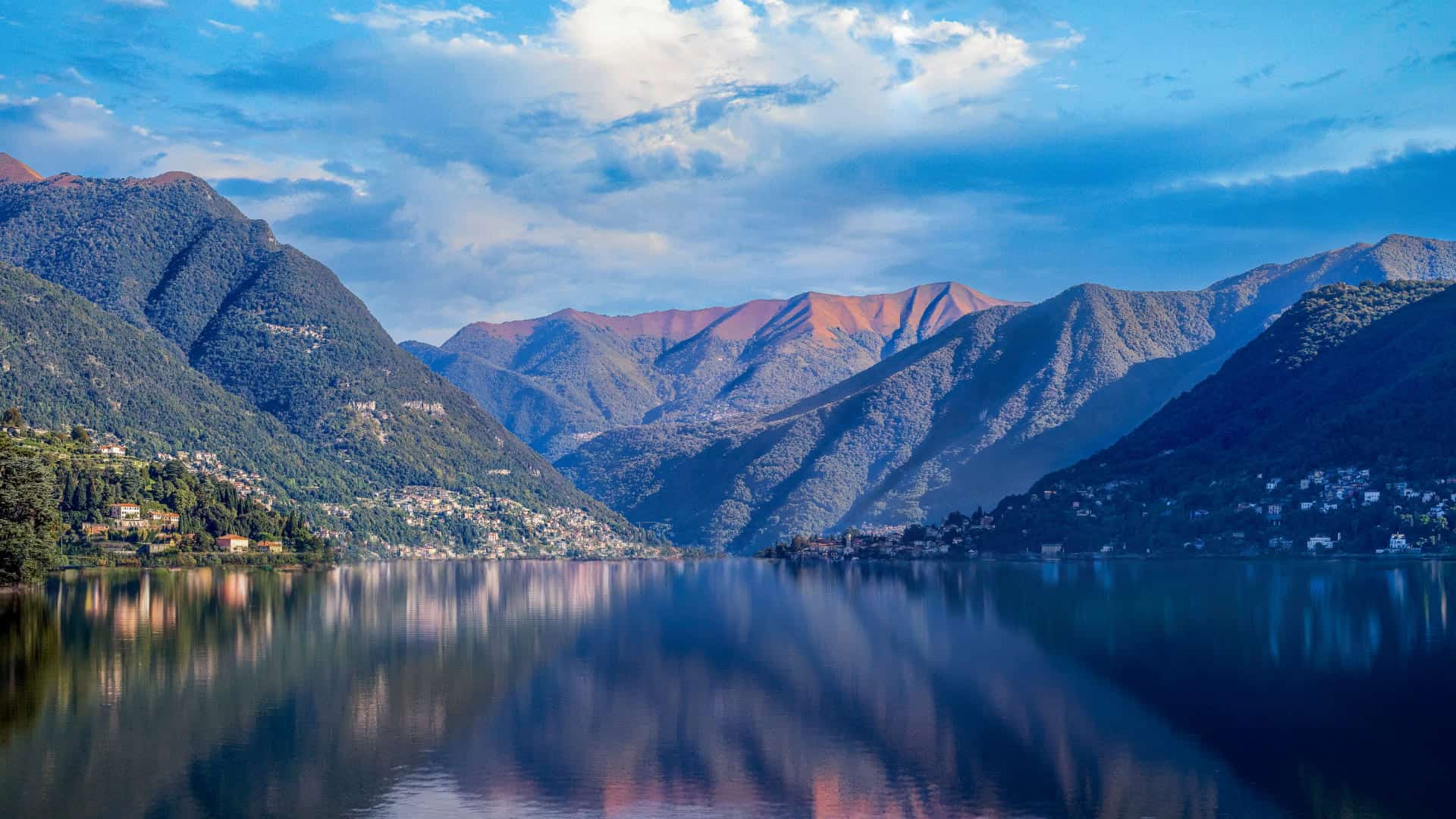
Refined and silent, Lake Como is an oasis of natural elegance, where mountains and water meet in a harmonious and timeless landscape. In July the towns on the shores come alive, the villas open their gardens, and the sunlight extends the days until evening.
Bellagio, Varenna, and Tremezzo offer romantic views, historic villas like Villa Carlotta or Villa del Balbianello tell stories of art and travelers. Boat trips connect the two shores, creating a slow itinerary full of wonder.
The lake is also synonymous with good food: risotto with perch, grilled lavarello, and chestnut desserts are enjoyed in restaurants overlooking the water, where every dinner becomes a postcard.
18. Rome (Lazio)
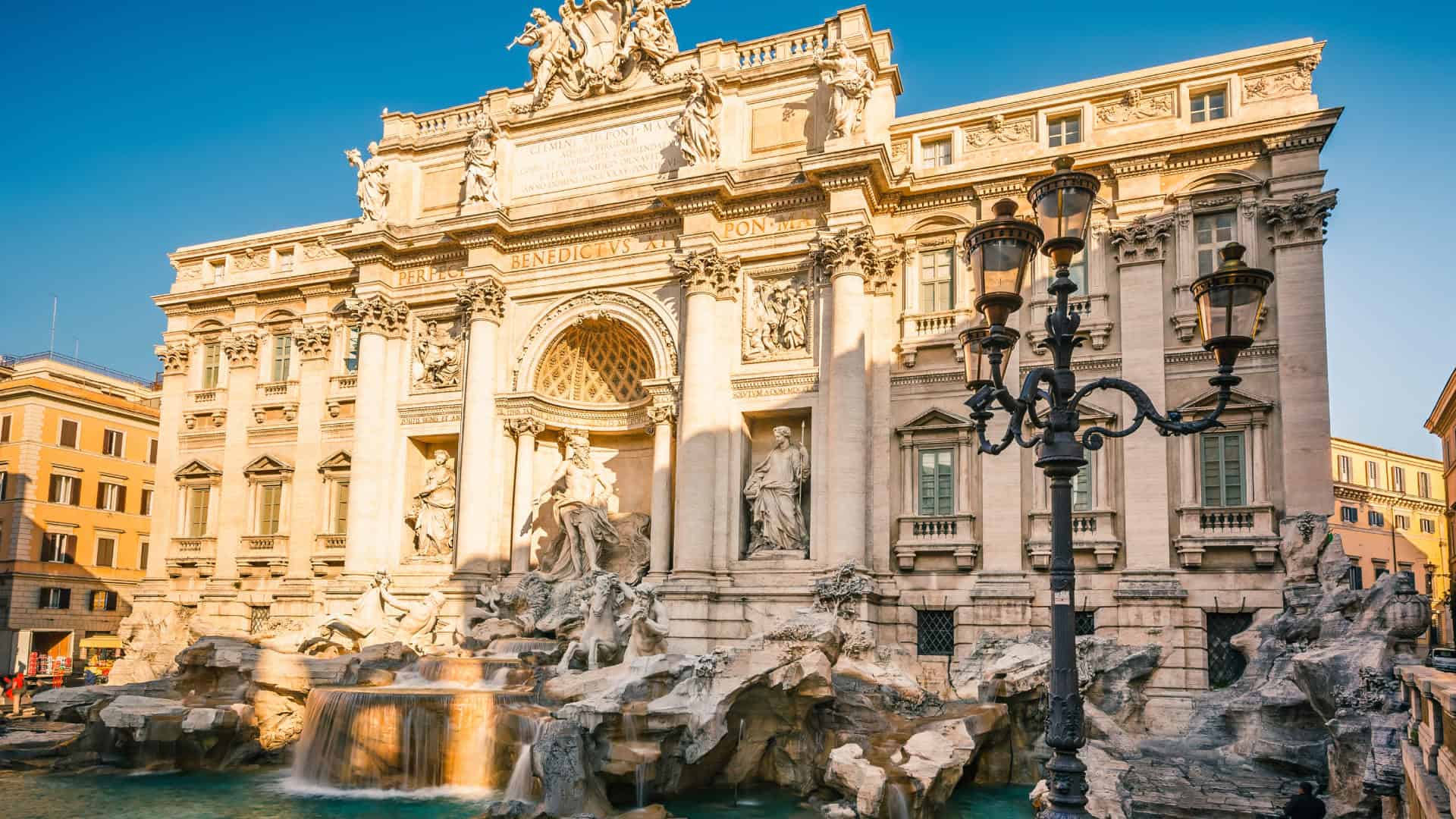
Rome in July vibrates with energy. The heat is felt, but the long days allow you to discover the city at different moments, from the silent museums of the morning to evening walks among illuminated fountains and animated squares.
The great classics, such as the Colosseum, the Fori Imperiali (Imperial Forums), and San Pietro (St. Peter’s), alternate with more intimate neighborhoods like Trastevere or Testaccio, where the authentic soul of the city shows itself among voices, smells, and details. In the evening, summer festivals in parks and historic courtyards add magic to the journey.
Among the gems not to be missed is the Giardino degli Aranci sull’Aventino (Orange Garden on the Aventine), a cool corner with panoramic views. And then the Roman flavors, decisive but sincere: cacio e pepe, carciofi alla giudia (Jewish-style artichokes), supplì, and a coffee granita with cream to cool off between visits.
19. Siracusa (Syracuse – Sicily)
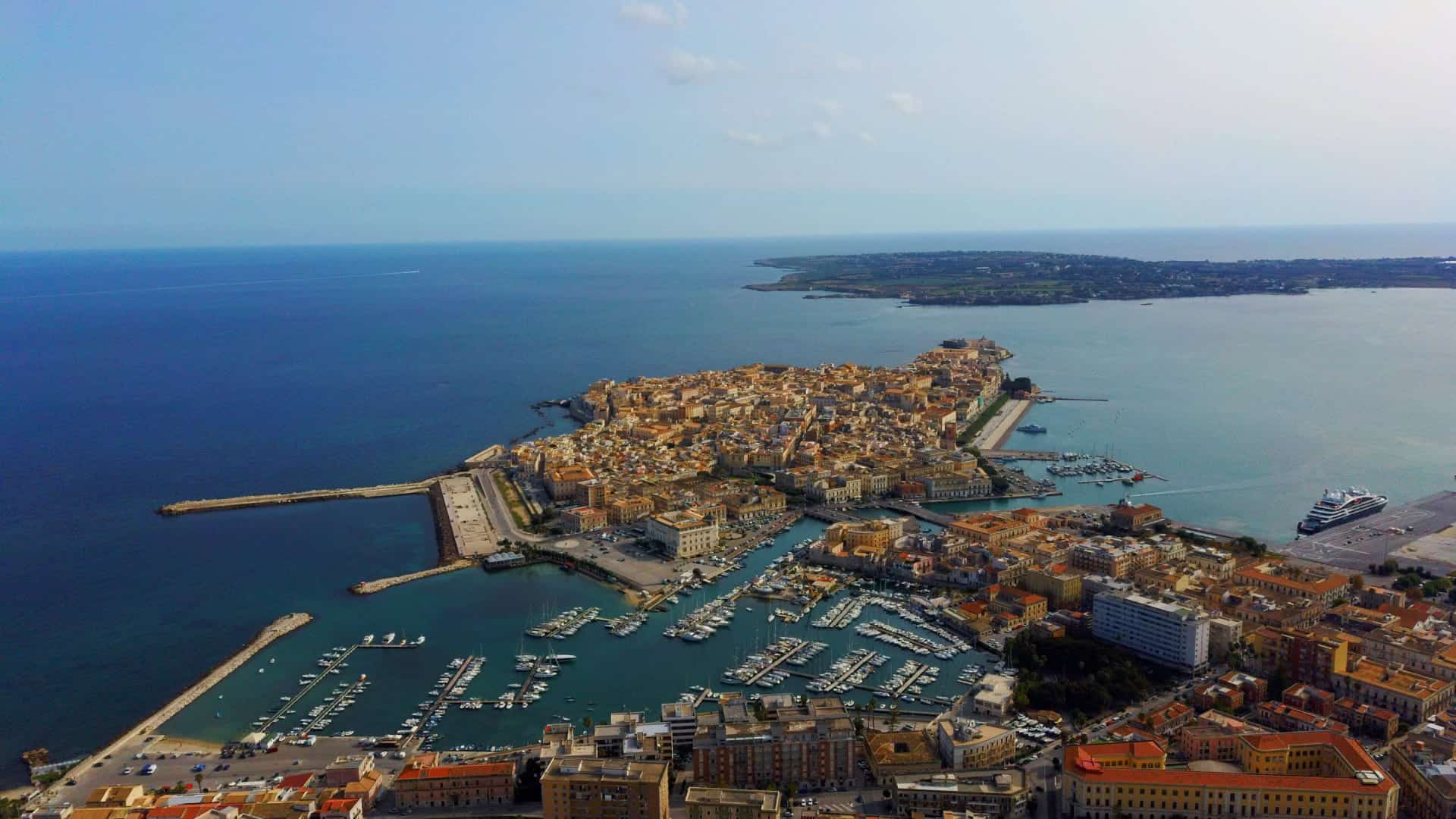
Siracusa is a city that combines the power of the Mediterranean with the depth of history. In July Ortigia, its ancient soul surrounded by the sea, transforms into an open-air theater, where every corner speaks of Greeks, Arabs, and Baroque.
The Parco Archeologico della Neapolis (Neapolis Archaeological Park), with the Teatro Greco (Greek Theatre) and the Orecchio di Dionisio (Ear of Dionysius), is among the most evocative places to visit in the early hours of the day, while in the afternoon the nearby beaches and seaside resorts offer hours of pure relaxation.
In the evening you stroll along the Ortigia waterfront, among stalls, music, and the scent of grilled fish. Syracusan cuisine is rich in contrasts: pasta with sardines, cous cous, almonds and citrus fruits that tell the most authentic and Mediterranean Sicily.
20. Cinque Terre (Liguria)
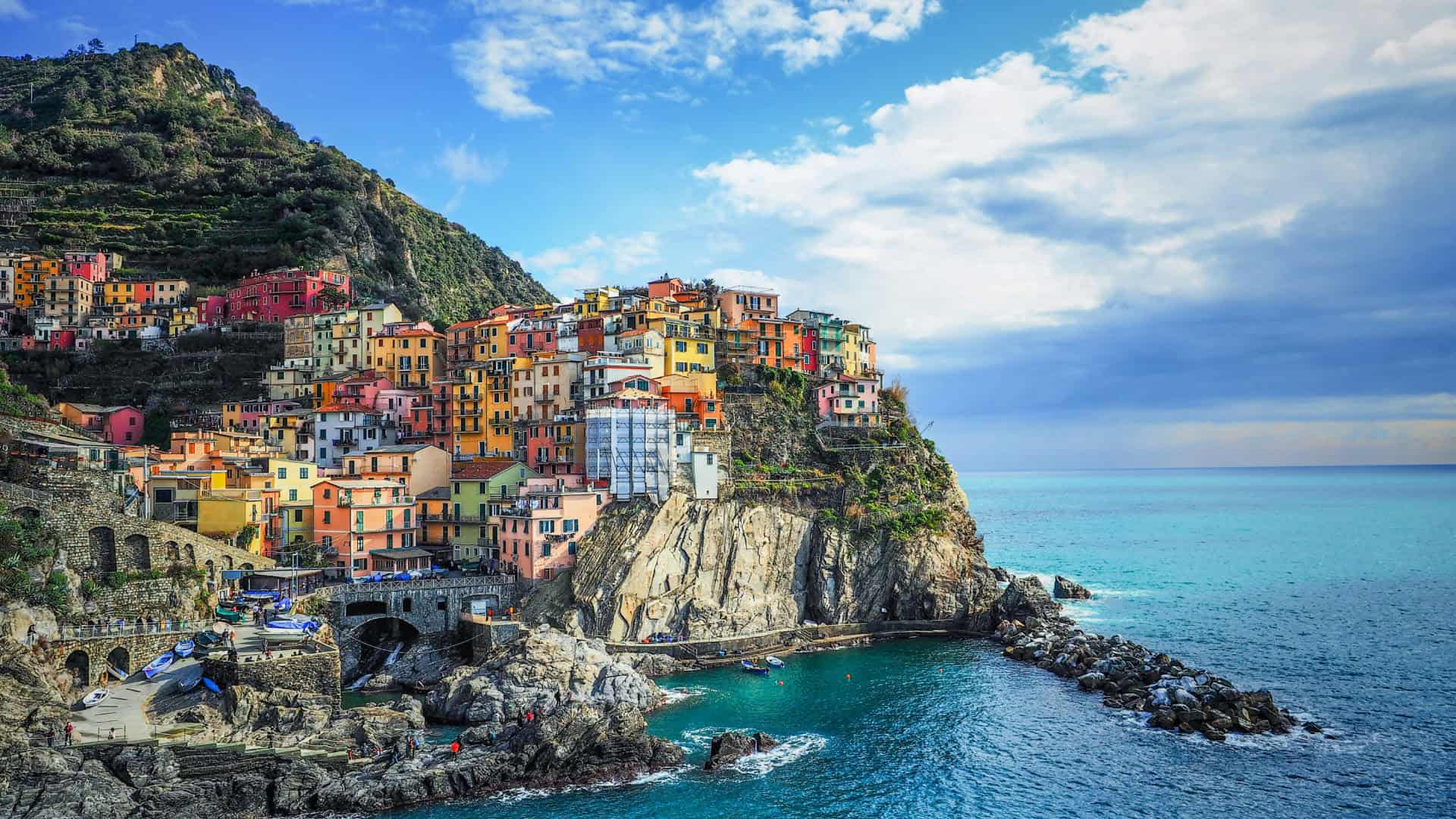
The Cinque Terre are a colorful mosaic that climbs the Ligurian coast, among terraced vineyards and sheer cliffs. Riomaggiore, Manarola, Corniglia, Vernazza, and Monterosso offer a unique spectacle, perfect to experience with slowness and respect.
In July the sun lights up the colors of the houses and sea, the paths open to the view, and each village comes alive among festivals, shops, and venues overlooking the port. Walks along the Via dell’Amore (Path of Love) or the Sentiero Azzurro (Blue Trail) allow you to move from one town to another on foot, immersed in nature.
The cuisine reflects land and sea: trofie al pesto, salted anchovies, farinata, and artisanal gelato to enjoy in the shade of a caruggio (narrow street).
An unmissable curiosity? The vertical wine cultivation, unique in the world, to discover in the small vineyards that defy gravity.
21. Costiera Amalfitana (Amalfi Coast – Campania)
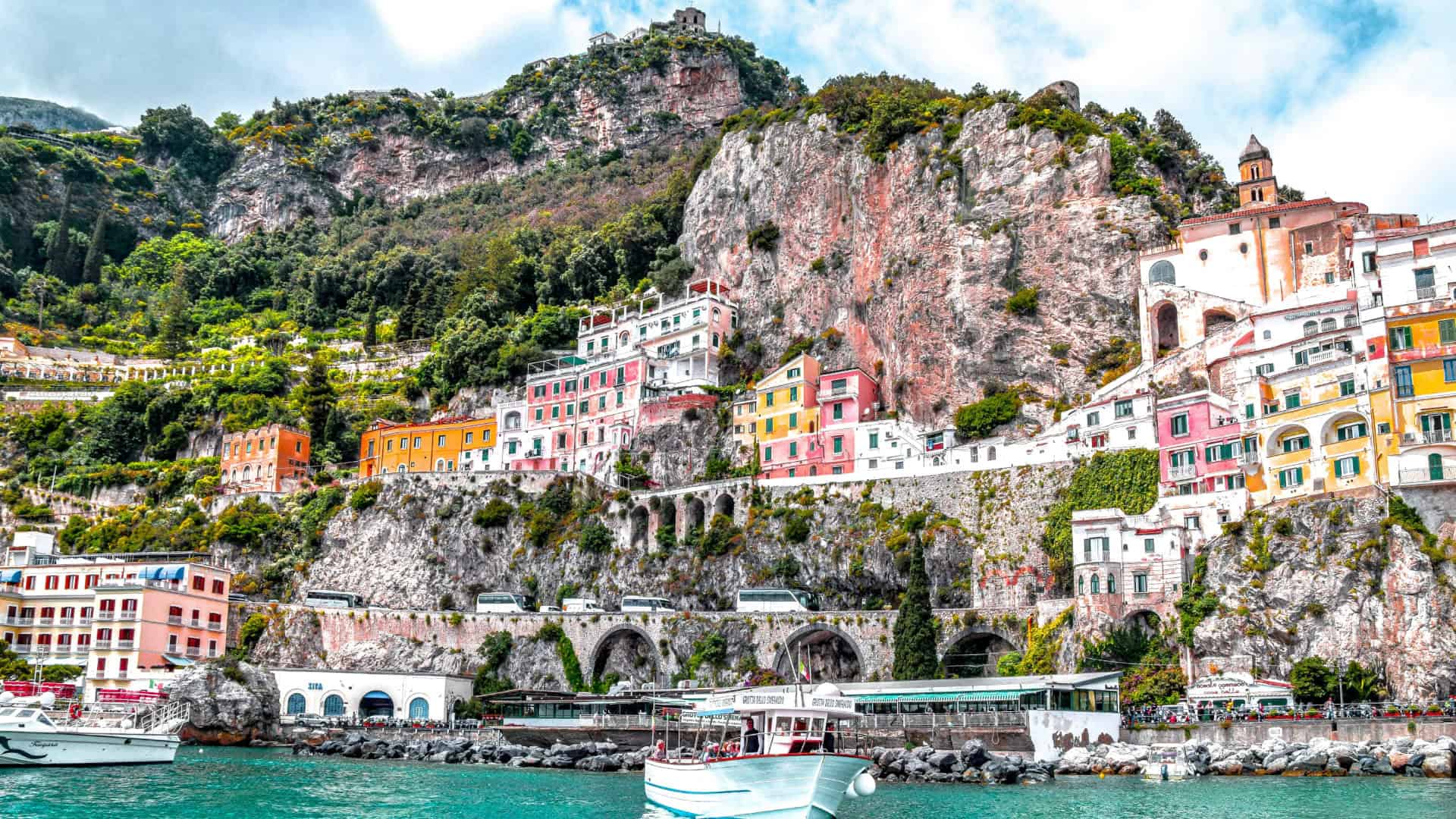
The Amalfi Coast is a succession of curves, scents, and breathtaking panoramas. In July the sea sparkles, the lemon groves are in full season, and each village presents itself at its best among flowered balconies and sea-view terraces.
Positano, Amalfi, and Ravello are the best-known stops, but Praiano and Minori also guard less crowded beauties. Days alternate between swims in crystal-clear waters and visits to churches, villas, and suspended gardens.
Among the symbolic flavors are delizia al limone (lemon delight), scialatielli ai frutti di mare (scialatielli with seafruit), and, naturally, artisanal limoncello.
A special gem? The performances of the Ravello Festival, with music and art in the heart of one of Italy’s most beautiful terraces.
22. Noto (Sicily)
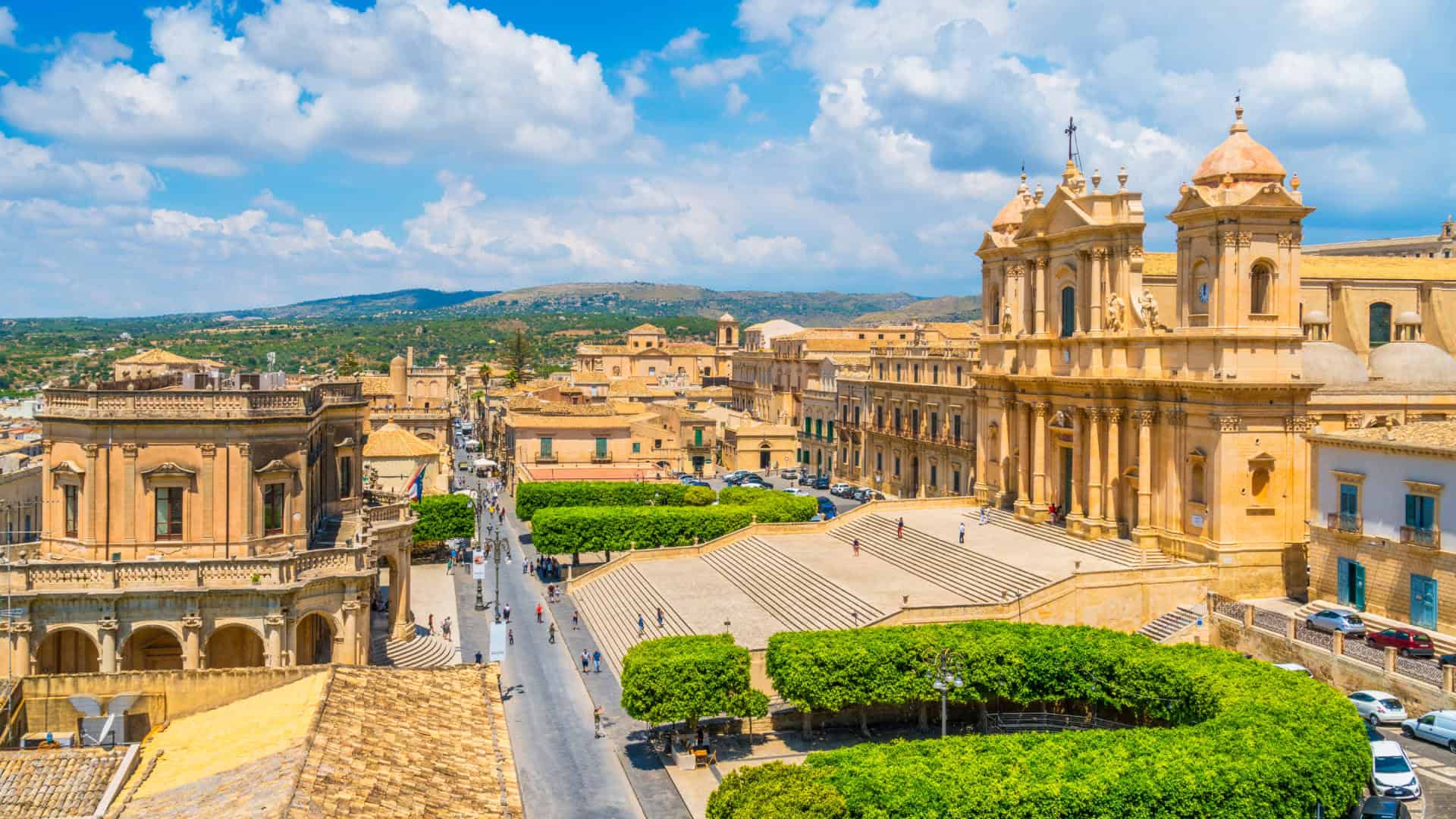
Capital of Sicilian Baroque, Noto in July fills with light and warmth. Its honey-colored facades shine under the summer sun, while the center’s streets fill with tourists and Mediterranean scents.
The Cattedrale di San Nicolò (Cathedral of San Nicolò), the Palazzo Ducezio, and the Chiesa di San Domenico (Church of San Domenico) are fundamental stops, but simply walking among the noble palaces and squares is a fulfilling experience. In the evening, everything slows down: you sit in outdoor spaces overlooking the golden stone and taste deep flavors.
Typical dishes combine sea and countryside: spaghetti al nero di seppia (spaghetti with cuttlefish ink), stuffed eggplant, baked ricotta.
Definitely not to be missed is the nearby Riserva di Vendicari (Vendicari Nature Reserve), where nature and archaeology meet among dunes, towers, and pink flamingos.
23. Riviera Romagnola (Emilia-Romagna)
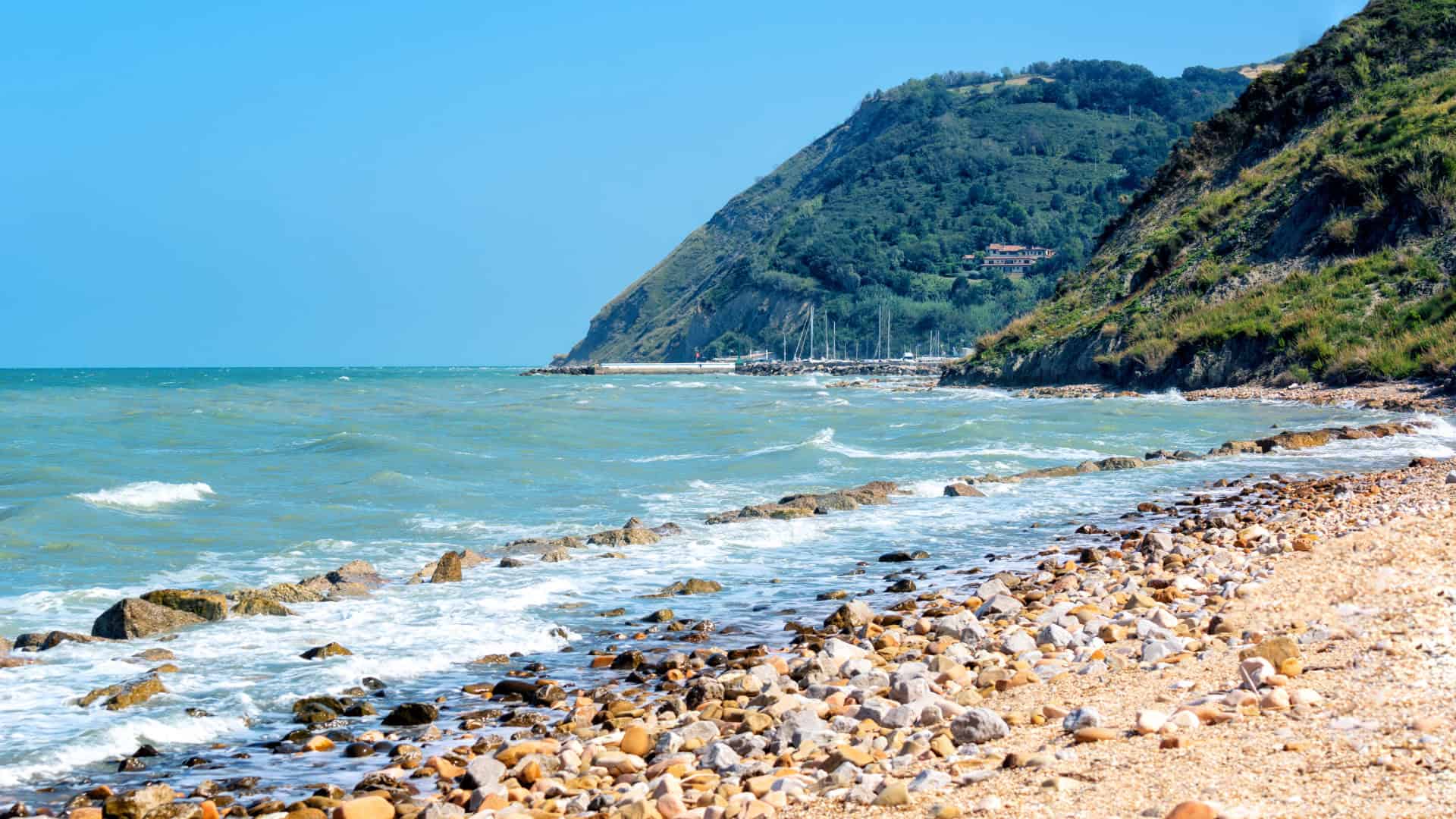
The Riviera Romagnola is synonymous with hospitality, golden sand, and fun. From Cattolica to Milano Marittima, passing through Rimini and Riccione, July is the perfect time to experience it to the fullest among events, sports, and relaxation.
The equipped beaches are ideal for families and groups of friends, while the historic center of Rimini or the village of Santarcangelo offer a cultural break among Roman monuments and lively squares. The seaside venues come alive in the evening with concerts, themed dinners, and shows.
At the table there’s never a lack of piadina, stuffed with squacquerone cheese and arugula, accompanied by fried fish or passatelli in broth. Romagna is warm and welcoming, a destination that puts everyone at ease, even at first meeting.
24. Ancona (Marche)
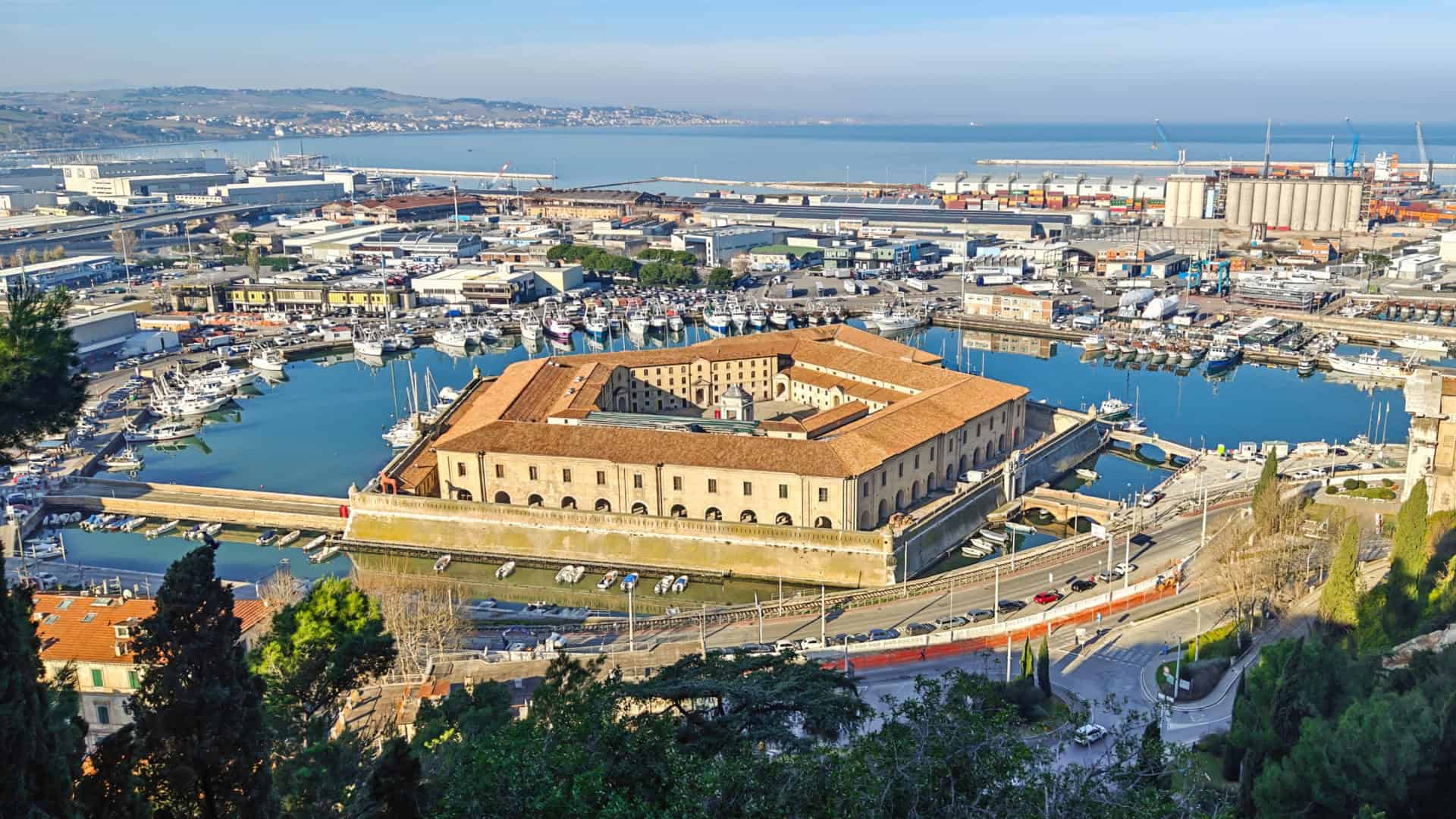
Overlooking the sea and protected by Monte Conero, Ancona is a port city with authentic charm. In July it dresses for summer, with venues on the port, cultural events, and nearby beaches like Mezzavalle or Portonovo.
What to see in Ancona is a question that’s anything but easy to answer, given the large number of points of interest that can intrigue the most curious visitor. Certainly the historic center, which climbs among narrow streets and belvederes: not to be missed are the Duomo di San Ciriaco (Cathedral of San Ciriaco), the Passetto with its monumental staircase, and the Loggia dei Mercanti (Merchants’ Loggia). The city is perfect for those seeking a mix of culture and sea, away from major tourist flows.
A curiosity? From Ancona you can see the sun rise and set over the sea, thanks to its unique position.
Local flavors celebrate the Adriatic Sea: stoccafisso all’anconetana (Ancona-style stockfish), marinated sardoncini, and Verdicchio wine to enjoy with a view.
25. Isola del Giglio (Giglio Island – Tuscany)
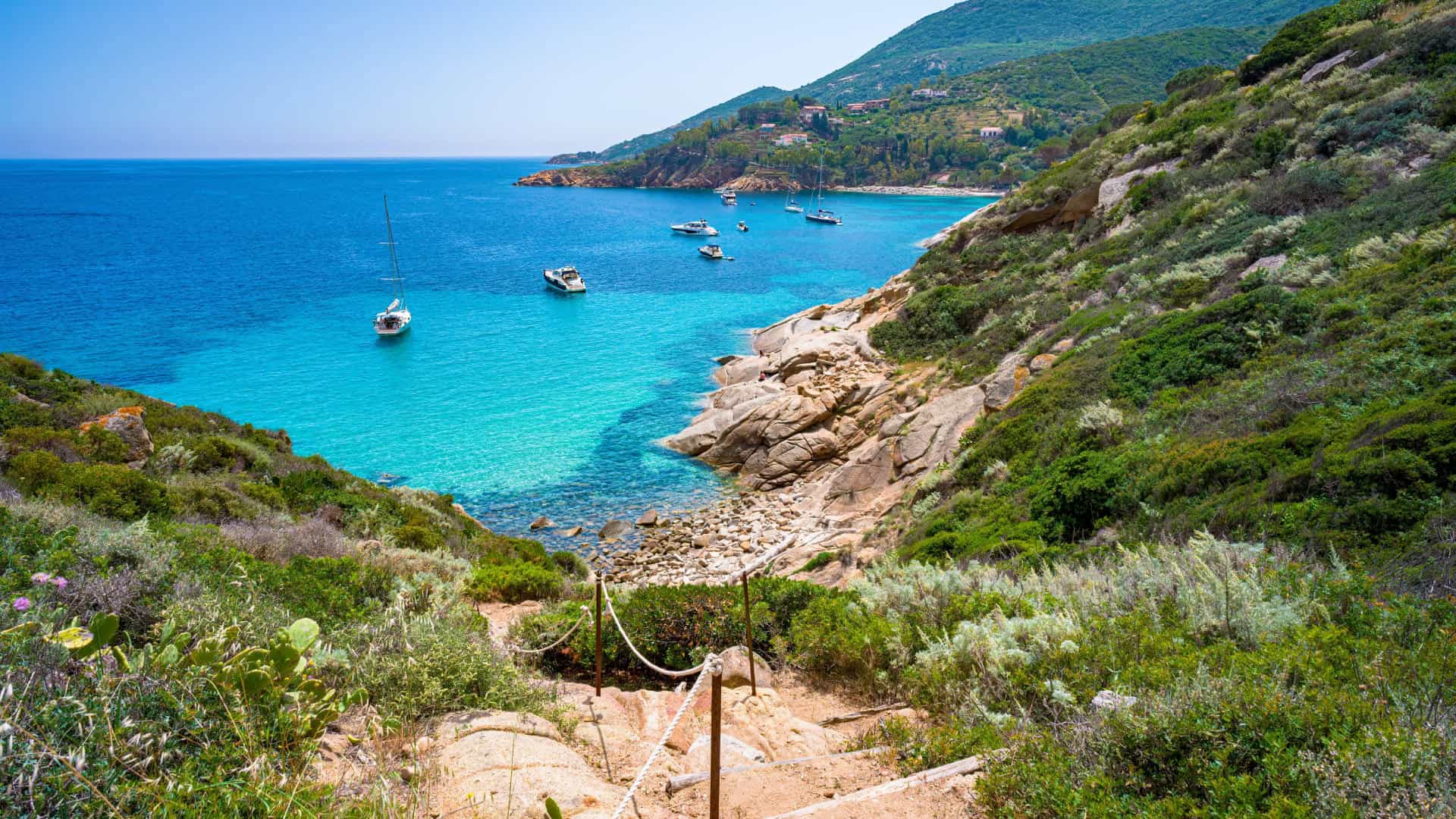
Isola del Giglio is a jewel of the Tuscan Archipelago, wild and uncontaminated, perfect for those who love clear seas, rich seabeds, and tranquility. In July the beaches show themselves in all their beauty, and among the many that should be mentioned, Cala delle Cannelle, delle Caldane, and Arenella certainly deserve mention, among the most loved by tourists and locals.
The village of Giglio Castello offers picturesque views, surrounded as it is by medieval walls, while Giglio Porto welcomes visitors with its colorful houses and restaurants overlooking the water.
Among local dishes, crostini with chicken livers, fish soup, and Ansonaco wine stand out, telling the agricultural tradition of the island.
Events and Festivals in July in Italy
July in Italy is the beating heart of summer: every region lights up with festivals, reviews, and village fairs that tell the best of local culture. It’s the perfect time to experience the country under the stars, among squares that transform into open-air theaters and villages that smell of grilling, music, and laughter.
Among the most anticipated events is Umbria Jazz, which every year brings international artists and atmospheres from other times to Perugia. Concerts are held in the center’s streets and historic theaters, with free proposals suitable for all ages.
In Trieste, Trieste Estate brings cinema, music, and theatrical performances to the sea, with programming that also addresses families, among workshops and screenings dedicated to children.
Finally in Tuscany, the Lucca Summer Festival attracts international names in pop and rock music every year, transforming the city walls into a great stage under the stars.
Foods to Try During a Trip to Italy in July
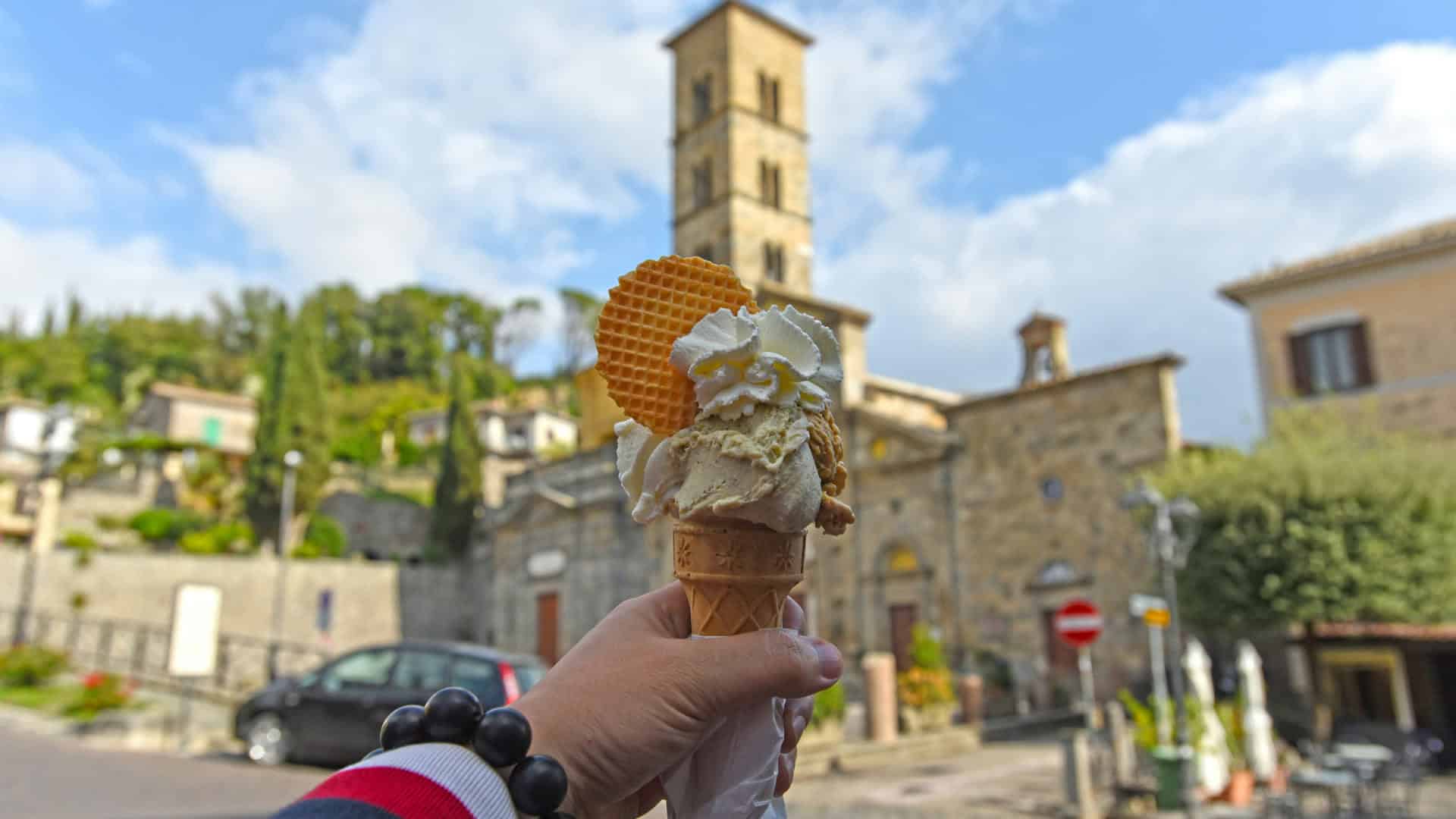
Although we’ve already encountered many flavors along the journey, here we want to collect those that truly tell the story of Italy in the month of July. Simple, seasonal, and fresh foods, capable of returning in a single bite all the atmosphere of Italian summer.
At the top of the list is artisanal gelato, essential in every walk: to enjoy in historic centers, seaside villages, or sunny squares, where gelaterias create ever-new combinations with seasonal fruit and local ingredients.
Fruit itself becomes the protagonist in this period: peaches, cherries, apricots, and tomatoes, perfect for bruschetta, salads, and light sauces. At local markets you find regional varieties, often grown by small producers.
Among the symbolic dishes of Italian summer, insalata caprese cannot be missing, with buffalo mozzarella and fresh tomatoes, perhaps served with a drizzle of local extra virgin olive oil. Pizzette da forno, crispy and light, are ideal for a quick lunch under the umbrella, as well as grilled fish, which in seaside kiosks releases the authentic scent of summer evenings.
These flavors shouldn’t be sought in large restaurants, but among village streets, in neighborhood markets, and during village festivals, where cooking still remains a gesture of family and conviviality.
Travel Tips for Coming on Holiday to Italy in July
Visiting Italy in July is an extraordinary experience: cities shine, seaside towns live their best moment, and every corner of the country offers something to discover. However, to enjoy the trip to the fullest it’s good to arrive prepared.
The first tip concerns the sun: the central hours of the day can be very hot, especially in art cities or inland areas. It’s better to dedicate morning walks to museums and cultural visits, and reserve the afternoon for moments of relaxation at the beach, by the pool, or in the shade of a garden.
Staying hydrated often, taking breaks in the shade, and wearing light clothing in natural fabrics really makes a difference. For those who love excursions or nature trekking, departure at dawn remains the ideal solution.
In the most touristy places it’s useful to book in advance and, when possible, prefer alternative times for visits. In some cities, museums and archaeological sites offer evening openings: an evocative way to avoid heat and queues, and experience culture under the stars.
A great ally for those who want to enjoy Italy in July is the villa with pool. Having a refuge all to yourself, where you can relax after an intense day, is a plus that makes every vacation more comfortable, serene, and regenerating.
Private spaces, fresh air, terrace breakfasts, and sunset dips: a villa allows you to experience the journey at your own pace, away from confusion and with all the comforts of home.
Book your villa with pool on Anita Villas now and treat yourself to a vacation that will remain in your memories, bright and unforgettable like an Italian summer.