




Talking about Italy means immersing yourself in a kaleidoscope of experiences that go well beyond the clichés of “pizza and pasta.” Each region preserves a strong cultural identity, forged through centuries of history and diverse influences that have shaped unique traditions, festivals, and deeply rooted religious customs.
Thanks to its privileged position and varied climate, Italy offers visitors a range of experiences capable of fascinating even the most demanding travelers. The twenty cities we present are not a simple “postcard” ranking, but true treasures capable of offering unexpected views and unforgettable moments even to those who have already visited the Bel Paese.
Ranking of Italian cities you absolutely must visit
The list we have created crosses Italy from north to south, offering a cross-section that touches different regions. You’ll find famous destinations like Venice and Florence, but also towns less beaten by mass tourism like Sulmona or Osimo, which are no less fascinating.
Don’t consider this a definitive list, but rather a source of inspiration for planning a journey to discover authentic Italy, the one that can be breathed in historic alleys, local markets, and small traditional trattorias.
1. Venice
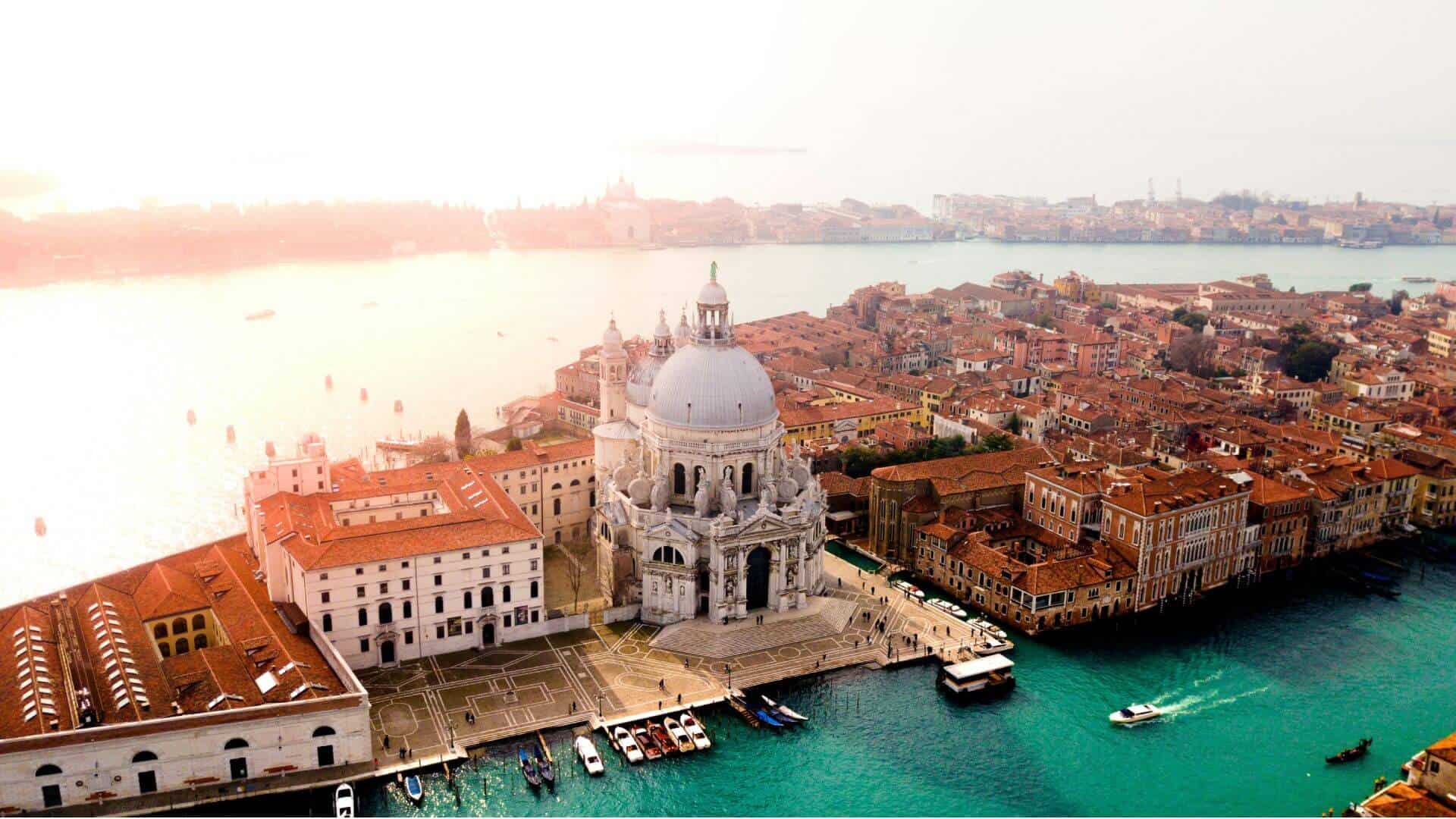
Venice is a miracle suspended on water, a labyrinth of canals and narrow streets where the absence of cars creates an atmosphere that seems to belong to another time. Walking among its bridges and small squares means losing yourself in a dimension unique in the world, where the ticking of footsteps on the pavement replaces the noise of traffic.
Beyond the most famous attractions like Piazza San Marco (St. Mark’s Square), the Ponte di Rialto (Rialto Bridge), and the gondolas that silently glide on the water, Venice hides less known corners but equally fascinating. It’s worth, for example, visiting the ancient squèri (boatyards), where typical boats are still built and repaired today, or stopping in a bacaro to taste the “cicchetti” (small snacks).
Don’t forget to explore the various islands of the lagoon, such as Murano, famous for its glassmakers, and Burano, characterized by its beautiful houses with vibrant colors.
2. Bologna
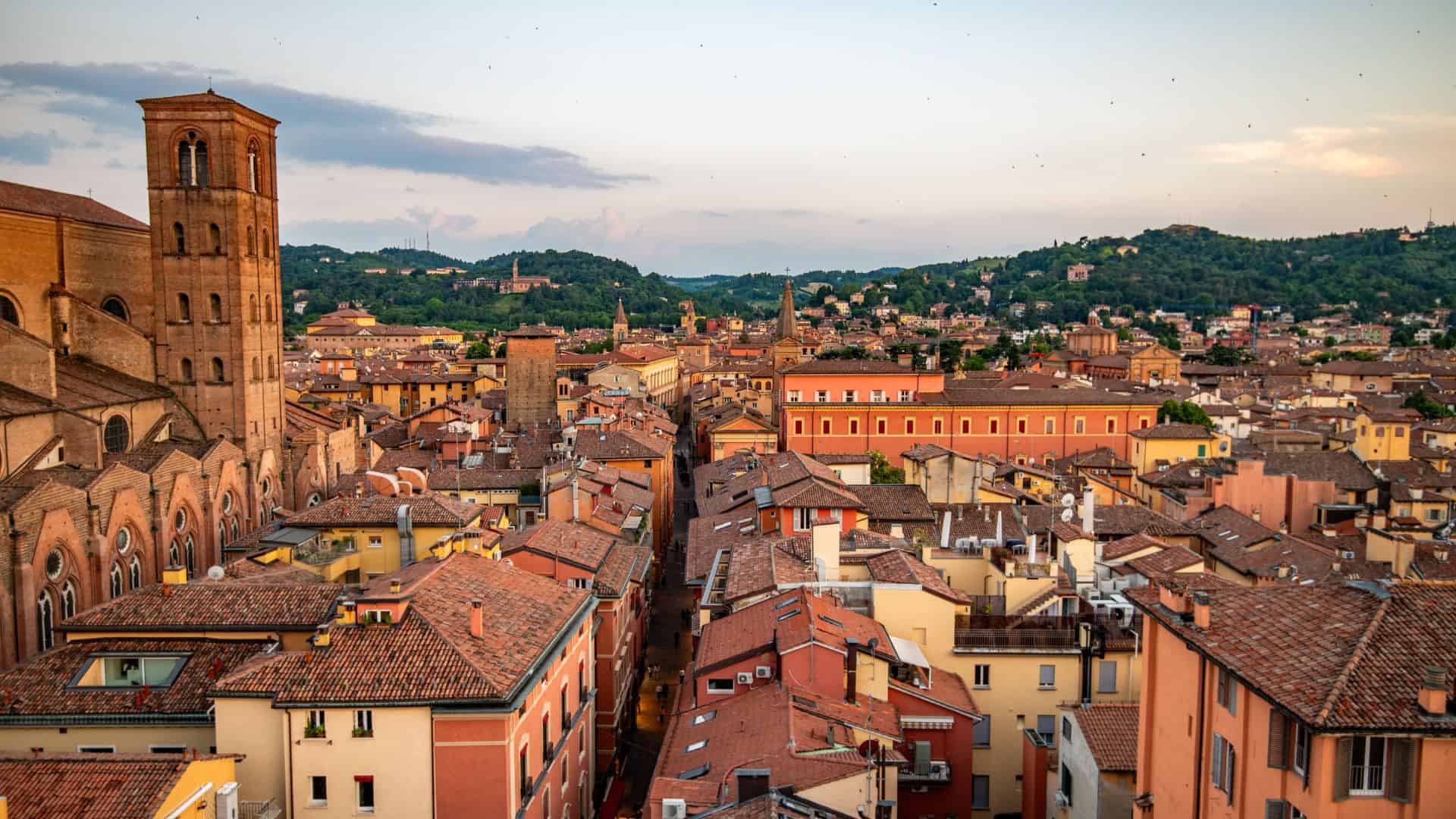
Bologna is a city with many faces, capable of brilliantly blending a prestigious university tradition, among the oldest in Europe, with a food culture that has made it famous worldwide.
It’s no coincidence that it’s nicknamed “La Dotta, la Grassa, la Rossa” (The Learned, the Fat, the Red): “Learned” for its historic University, “Fat” for its rich and flavorful cuisine — impossible to resist the tagliatelle with ragù, tortellini in broth, or the fragrant mortadella — and “Red” for the warm color of the bricks that characterize its fascinating historic center.
Walking under its long porticoes, you discover a lively atmosphere, animated by students who crowd the venues, bookstores, and taverns. The undisputed symbol of the city is le Due Torri (the Two Towers), the Asinelli and Garisenda, which loom imposingly over the urban landscape. Piazza Maggiore (Main Square), with its magnificent buildings, represents the beating heart of Bologna’s social life.
But Bologna also hides secrets, like the evocative network of underground canals, a maze of water that flows beneath the streets of the center, testifying to a surprising past.
3. Rome

Rome is a true open-air museum where every corner contains a piece of history. The Eternal City is a stratification of eras that coexist in perfect harmony: from the antiquity of the Fori Imperiali (Imperial Forums) and the majestic Colosseo (Colosseum), to the dazzling baroque of Piazza Navona (Navona Square) and the Fontana di Trevi (Trevi Fountain), to the Renaissance testimonies scattered throughout the historic center.
Beyond universally known monuments like the Pantheon, there are less crowded but equally fascinating corners, such as the quartiere Coppedè (Coppedè district) with its fairytale architecture or the Aventine Hill, where through the famous keyhole of the Priorato dei Cavalieri di Malta (Priory of the Knights of Malta) you can admire the dome of St. Peter’s perfectly framed by a tunnel of hedges.
But a visit to Rome is not complete without having savored the iconic dishes of its cuisine, such as pasta cacio e pepe or carbonara, perhaps enjoyed in one of the many small traditional taverns hidden in the alleys of Trastevere or Testaccio, away from the most crowded routes.
4. Siena
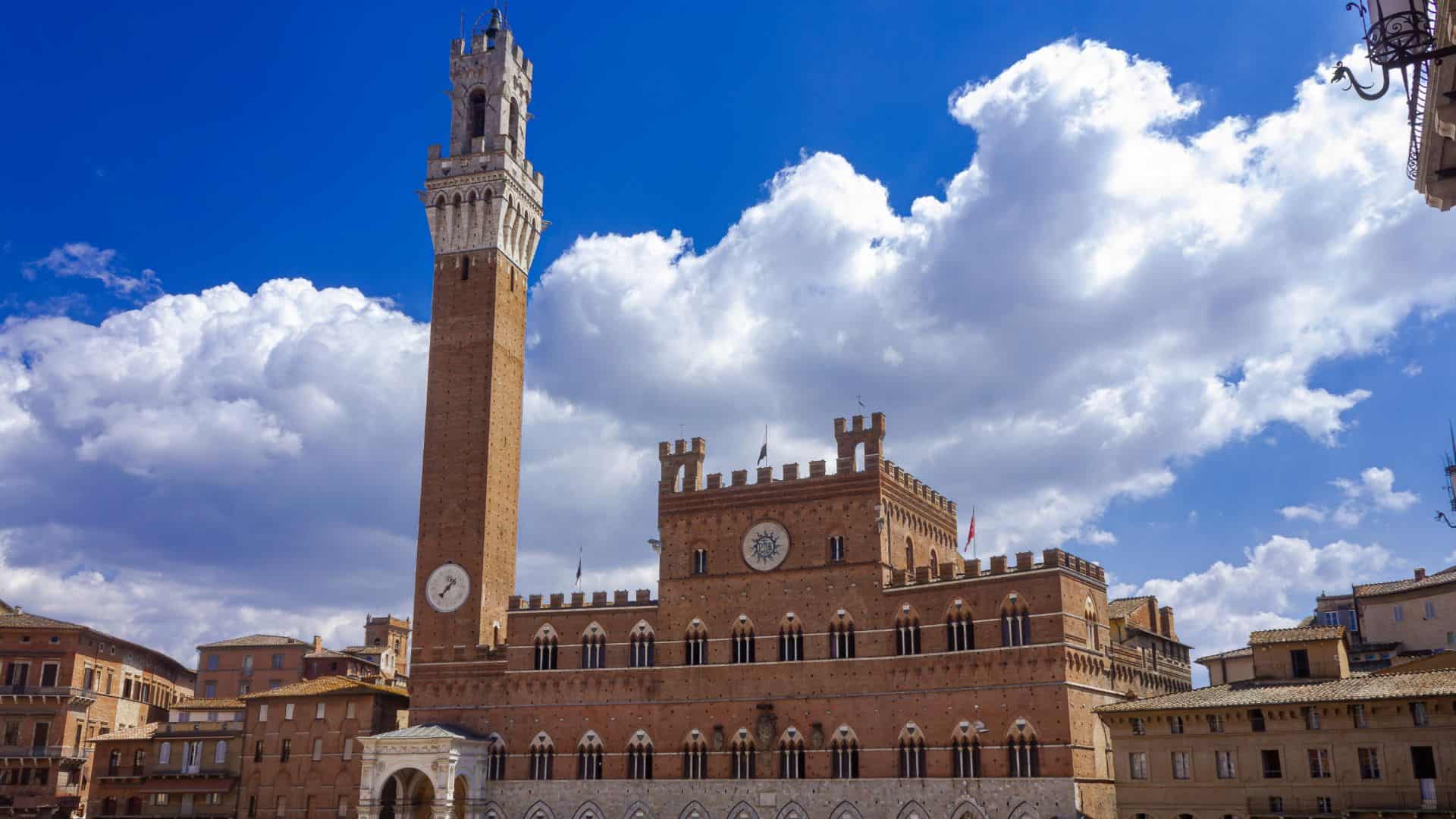
Visiting Siena is like taking a dive into the Middle Ages. The heart of the city is the unmistakable Piazza del Campo (Campo Square), with its characteristic shell shape and pavement divided into nine sections representing the Government of Nine, which ruled the city during its period of maximum splendor.
It is here that twice a year the Palio is held, a horse race that sees the city’s Contrade (districts) compete against each other.
A place that certainly deserves a visit is the Cattedrale di Santa Maria Assunta (Cathedral of Santa Maria Assunta), a Gothic masterpiece that houses works by Michelangelo, Donatello, and Pisano. Not to be missed are the Musei Civici (Civic Museums), housed in the Palazzo Pubblico (Public Palace), telling centuries of Sienese history and art.
5. Lecce
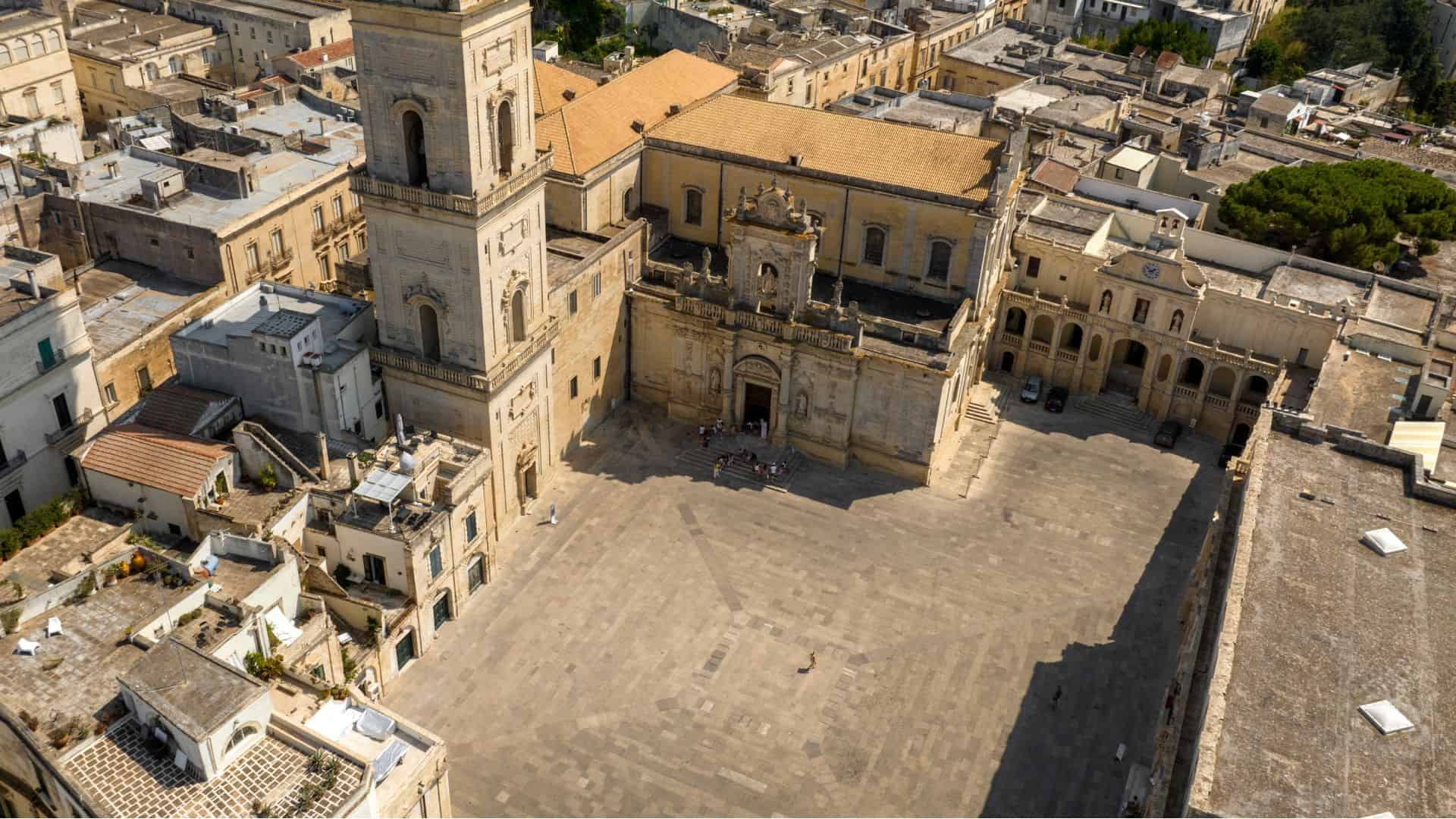
Lecce is a triumph of carved facades and lavish churches that have earned it the nickname “Florence of the South“. The local stone has allowed local craftsmen to indulge in rich decorations, creating a unique baroque style in the world that envelops the entire historic center.
The Basilica di Santa Croce (Basilica of Santa Croce) is the emblem of this style, with its facade that seems like stone lacework populated by fantastic creatures, while the Cathedral and its square form one of the most evocative urban spaces in Italy. Walking through the center, you will also come across the remains of the Anfiteatro Romano (Roman Amphitheater), testimony to the city’s classical past.
Lecce is also famous for its craft traditions such as papier-mâché, used to create statues of saints and puppets, and a cuisine that combines flavors of land and sea. Don’t leave the city without having tasted a warm pasticciotto for breakfast, a frisa topped with tomato and oil for lunch, and a plate of orecchiette with turnip greens for dinner. And if you want to take a dip in the crystal-clear sea of Salento, the most beautiful beaches are just a few kilometers away.

6. Perugia
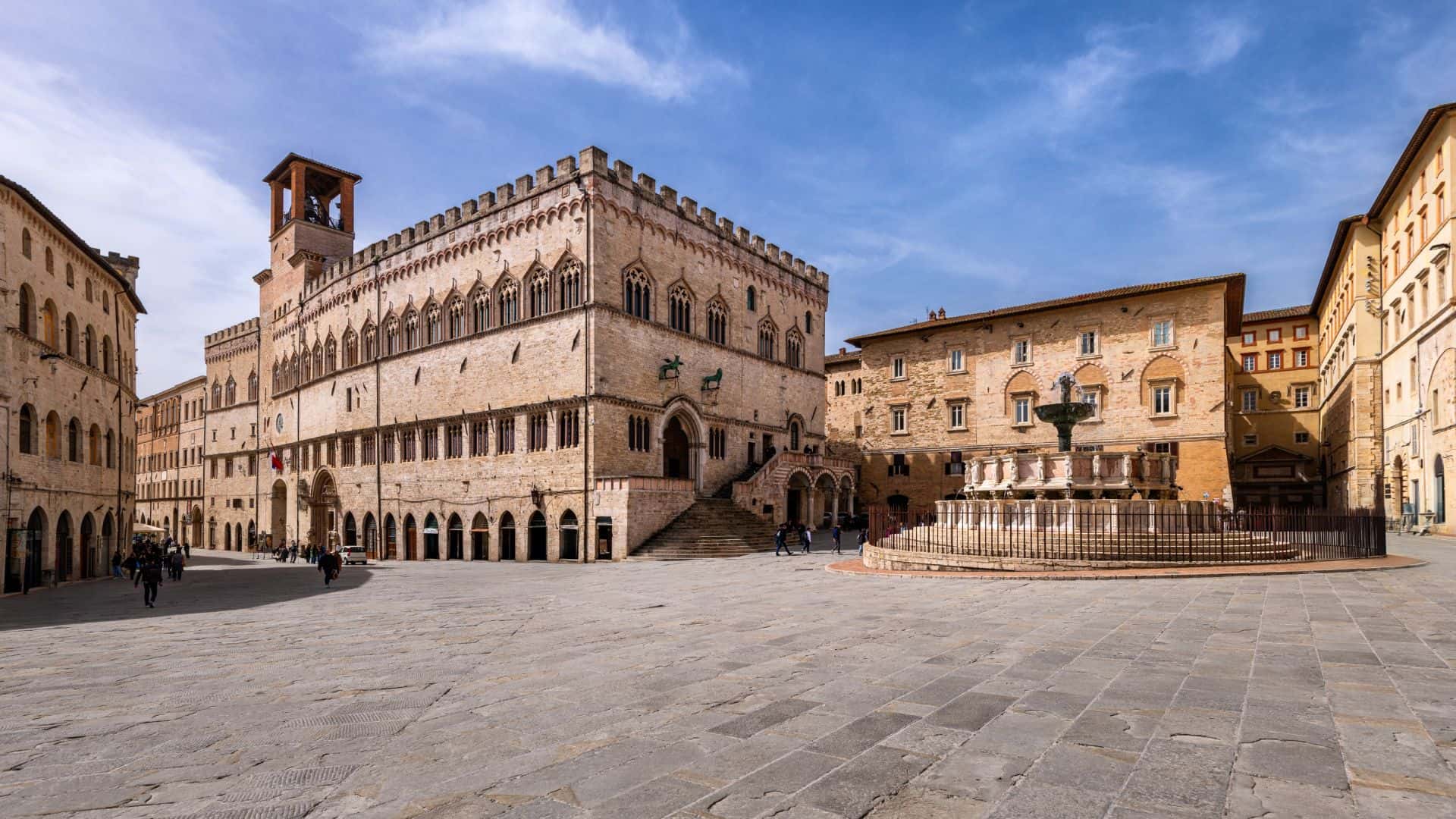
Perched on a hill overlooking the Umbrian valley, Perugia combines the charm of a medieval city with the dynamism of an important university center. The Umbrian capital is famous for its Università per Stranieri (University for Foreigners), which has always attracted students from all over the world.
The historic center is a maze of alleys and staircases that go up and down, revealing unexpected views and charming small squares. Corso Vannucci, the main street, leads to the splendid Piazza IV Novembre (November 4th Square), dominated by the Fontana Maggiore (Main Fountain) and the Palazzo dei Priori (Palace of Priors).
But Perugia is also internationally famous for two major events: Umbria Jazz, which fills the city with music every July, and Eurochocolate, a must-attend event for chocolate lovers.
7. Lucca
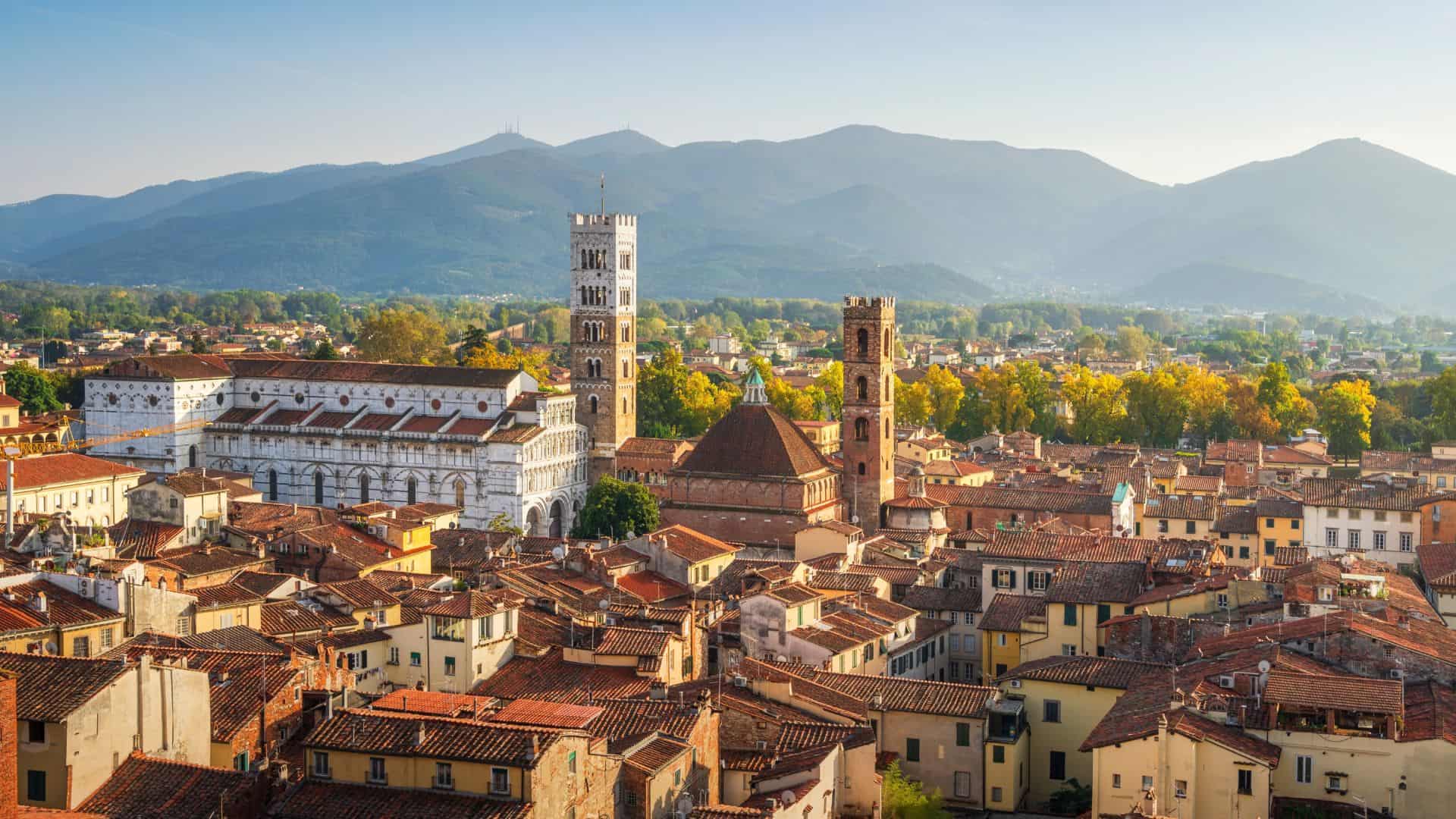
Lucca is a human-scale city, protected by a perfectly preserved Renaissance wall that has now become a circular urban park, ideal for walks and bicycle rides.
The network of medieval streets leads to small churches rich in artistic treasures and stunning squares such as the Piazza dell’Anfiteatro (Amphitheater Square), which has maintained the ellipse of the ancient Roman arena from which it takes its name. Looking up, you’ll notice the Torre Guinigi (Guinigi Tower), distinctive for the rooftop garden with holm oaks growing on its summit.
Lucca is also a city of music, birthplace of composer Giacomo Puccini and home to the Lucca Summer Festival, which brings international stars to the stage every year. After exploring its most characteristic corners, take a break in one of the historic pastry shops to taste the buccellato, a ring-shaped cake with raisins and anise, symbol of Lucca’s gastronomic tradition.
8. Palermo
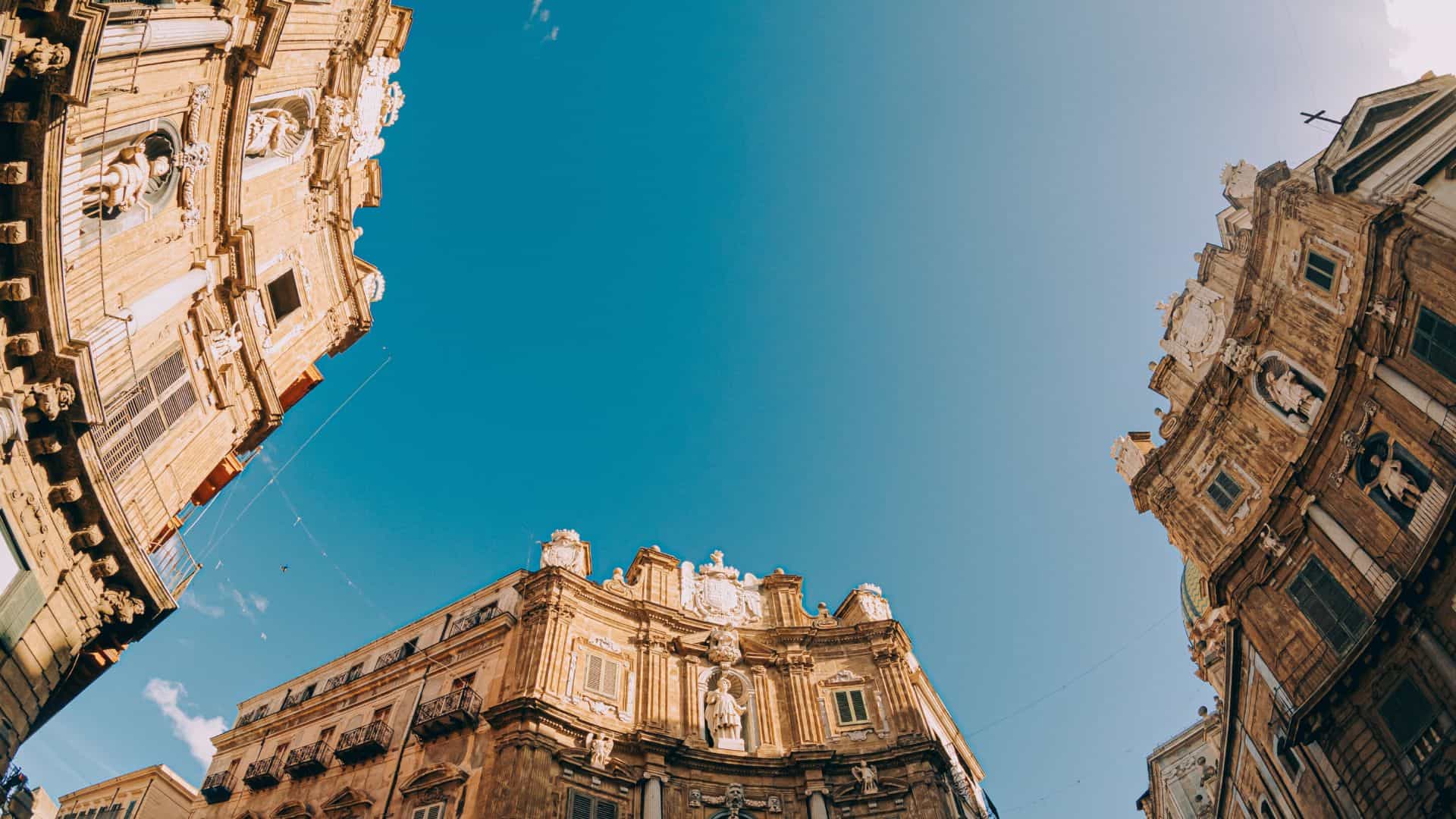
Palermo is a melting pot of cultures, a place where Norman, Arab, Spanish, and Baroque influences coexist and overlap.
Testifying to the city’s great historical wealth are the sumptuous Palazzo dei Normanni (Norman Palace) with the Palatine Chapel covered in shimmering Byzantine mosaics, the Cattedrale (Cathedral) that mixes different styles, and numerous Baroque churches scattered throughout the city.
But to grasp the true soul of the city, you must immerse yourself in its historic markets: Ballarò, Vucciria, and Capo are an explosion of colors, voices, and aromas, where the authenticity of local products is accompanied by the folklore of vendors who attract customers with the typical “abbannìo” (street cries).
Palermo’s street food is a chapter in itself: from bread with spleen to arancine (here strictly feminine), from bread with panelle to sfincione, every corner offers irresistible temptations.
9. Florence
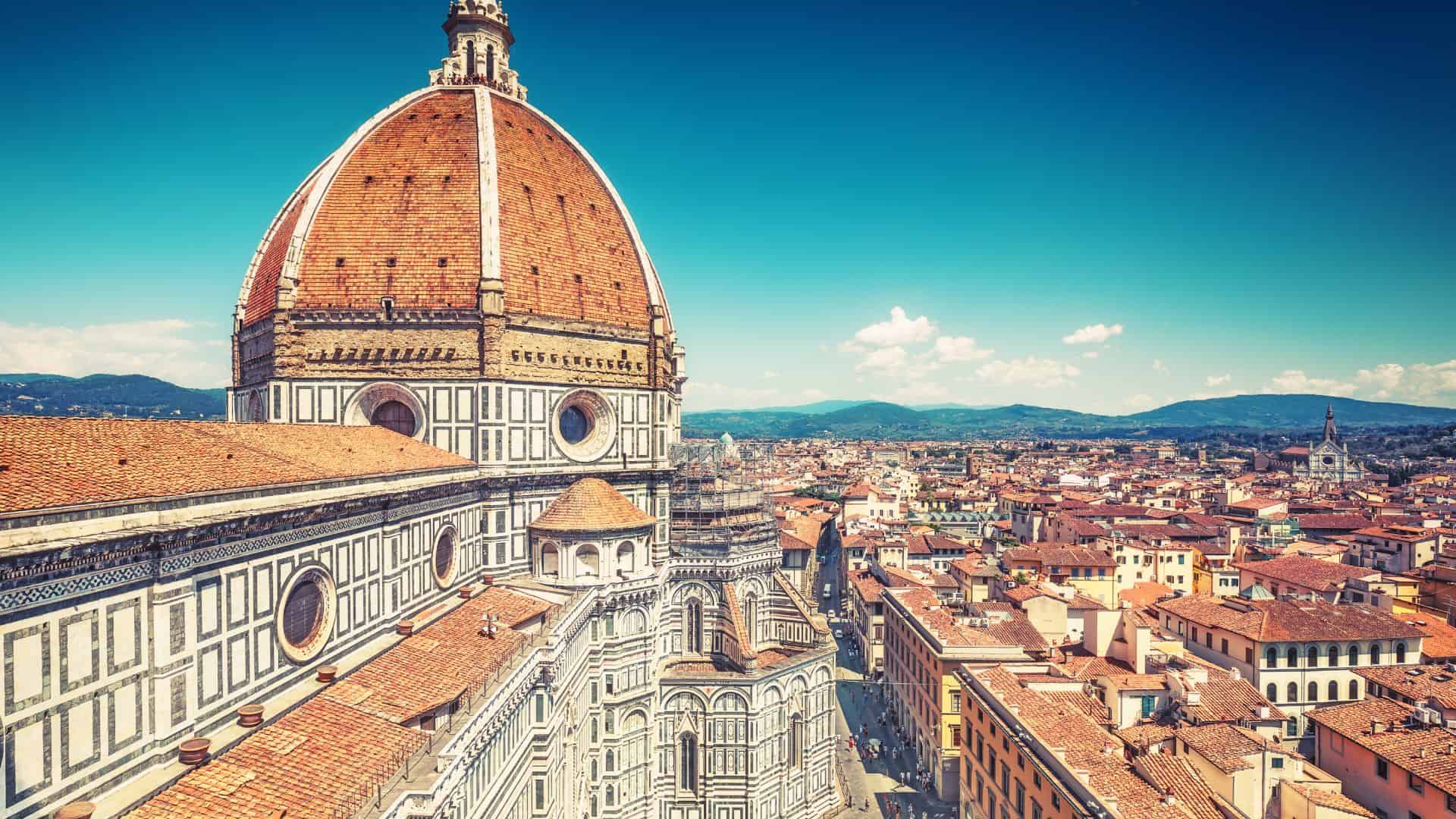
Florence is universally recognized as the cradle of the Renaissance, the city that gave birth to geniuses like Michelangelo, Leonardo da Vinci, and Botticelli, and which preserves an artistic heritage of inestimable value.
Its historic center, a UNESCO World Heritage site, is an open-air museum, dominated by the majestic dome of Duomo di Brunelleschi (Brunelleschi’s Dome) and campanile di Giotto (Giotto’s Bell Tower).
The Galleria degli Uffizi (Uffizi Gallery), one of the most important museums in the world, houses absolute masterpieces of Italian painting, while the Galleria dell’Accademia (Academy Gallery) houses the original David by Michelangelo.
But Florence is not just great museums and famous monuments. Its charm is also revealed by walking on the iconic Ponte Vecchio (Old Bridge), with its goldsmith shops suspended over the Arno, or exploring the Oltrarno district, heart of Florentine craftsmanship, where small workshops that carry on ancient trades can still be found today.
10. Brindisi
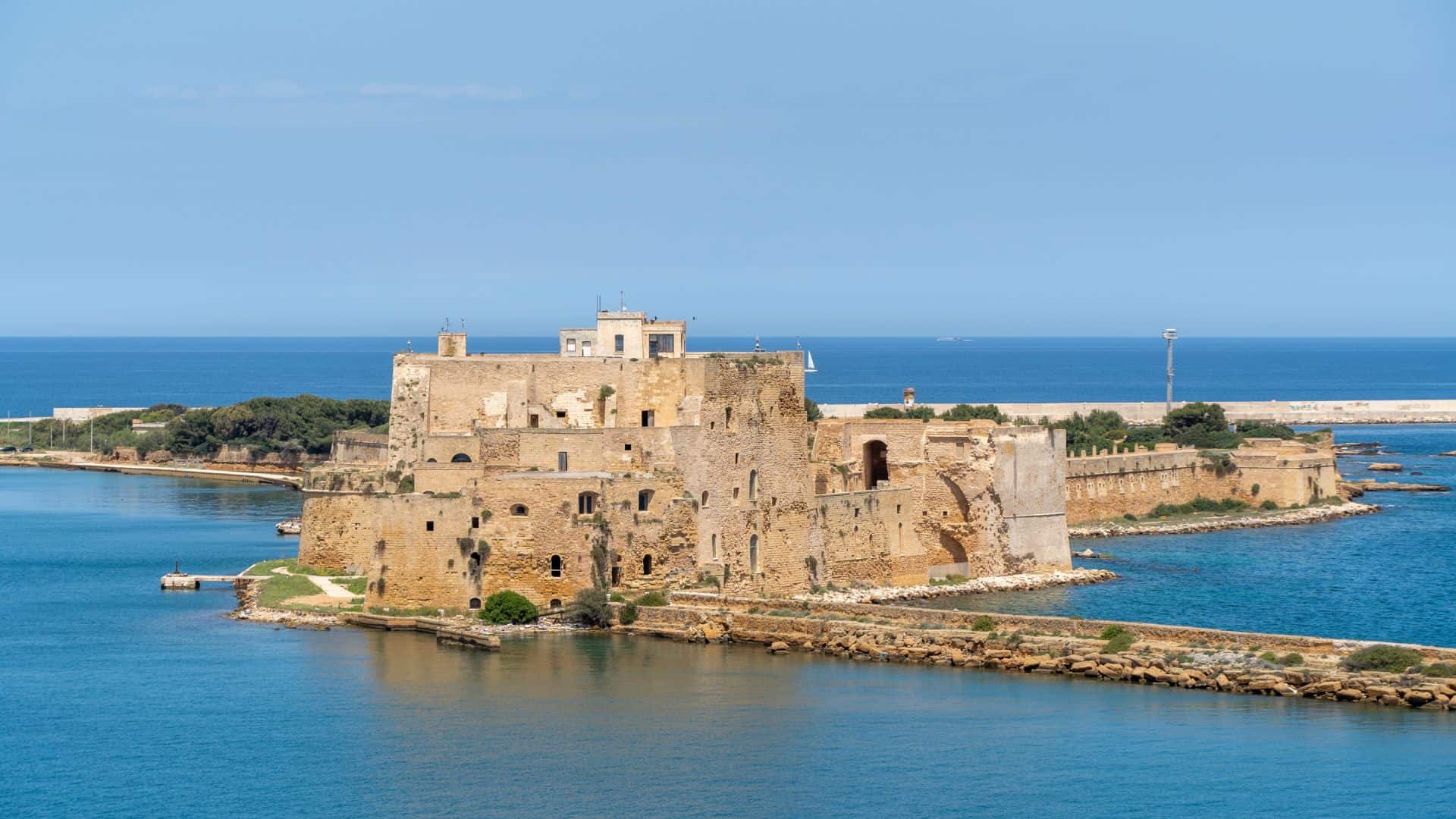
Brindisi, the ancient “Gateway to the East”, is a maritime city where the port is of great importance. Already important in Roman times as the terminus of the Via Appia, it is still today a fundamental crossroads towards Greece and the Balkans.
The lungomare Regina Margherita (Queen Margherita Promenade), with its elegant buildings and venues overlooking the water, is the ideal place for a relaxing walk. The historic center, compact and on a human scale, hides medieval churches and baroque buildings that tell the thousand-year history of the city.
Brindisi is also a perfect base for exploring the beaches of the Adriatic coast and the villages of Alto Salento, immersing yourself in the landscape of olive groves and dry stone walls that characterize this land.
11. Alberobello
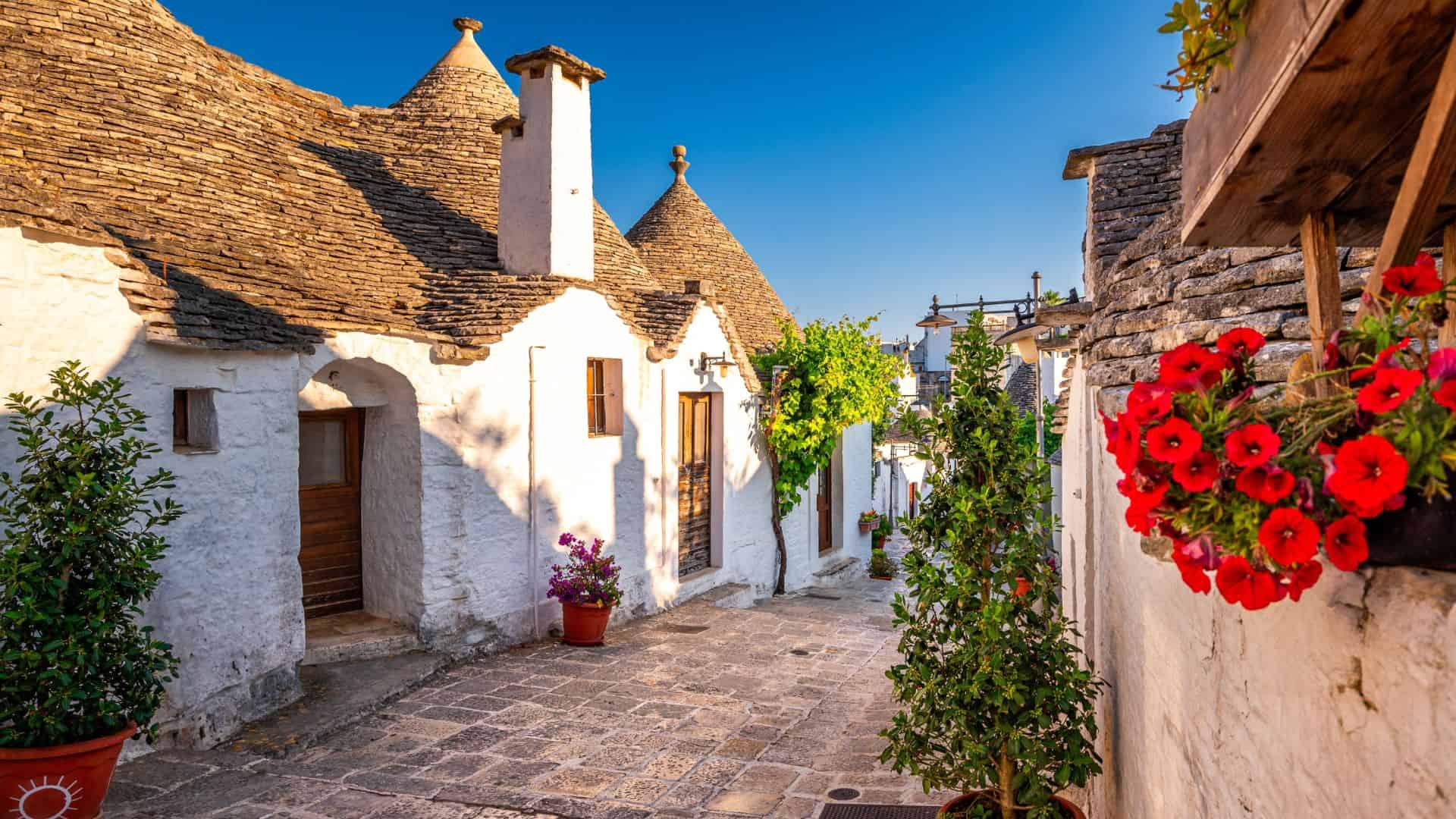
Alberobello is an almost fairytale place, famous throughout the world for its trulli, the characteristic dry stone dwellings with a conical roof, declared a UNESCO World Heritage Site.
Walking among the rioni Monti and Aia Piccola (Monti and Aia Piccola districts), where most of these unique constructions are concentrated, is an evocative experience that transports you back in time.
Among the whitewashed alleys of Alberobello, you breathe an almost surreal calm, in stark contrast to the liveliness of more crowded tourist destinations. The town is immersed in the heart of the Valle d’Itria, an enchanting landscape designed by ancient olive groves, vineyards, and characteristic dry stone walls.
The visit can be enriched by discovering the local religious festivals and savoring the culinary specialties of the area, such as stuffed focaccias, fresh dairy products (burrata, stracciatella), and excellent extra virgin olive oil.
12. Urbino
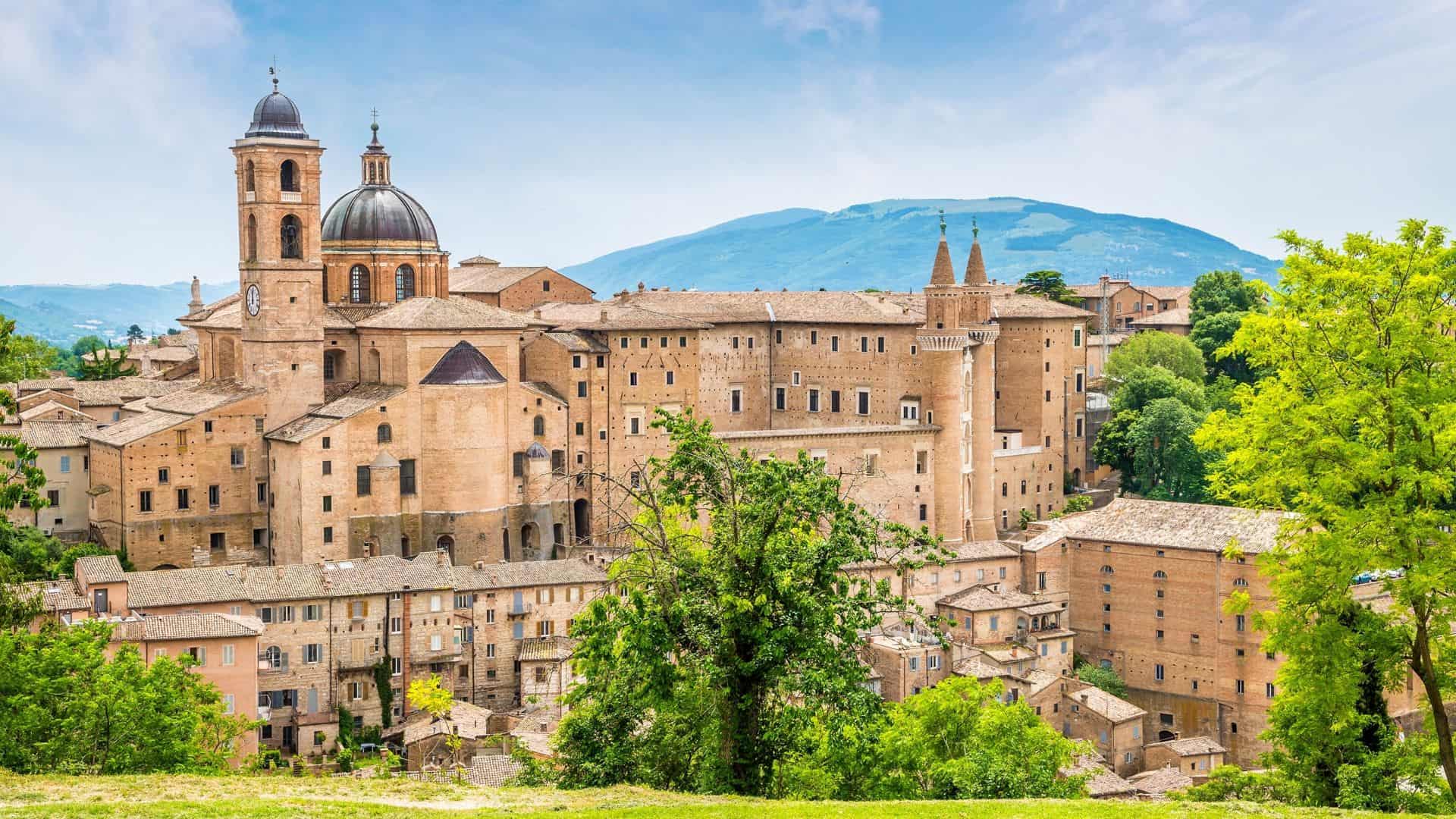
Perched on a hill, Urbino is a perfectly preserved Renaissance jewel, dominated by the imposing Palazzo Ducale (Ducal Palace) commissioned by Federico da Montefeltro. This architectural masterpiece, now home to the Galleria Nazionale delle Marche (National Gallery of the Marche), houses works by Piero della Francesca, Raphael, and other Renaissance masters.
The city gave birth to Raphael Sanzio, and his house is now a pilgrimage destination for art lovers. But Urbino is also a university city, with the university founded in 1506 that attracts students from all over Italy.
The steep cobbled streets lead to panoramic small squares from which you can enjoy a breathtaking view of the gentle Marche hills. The local cuisine offers substantial dishes such as crescia sfogliata, similar to piadina but thicker and softer, passatelli in brodo (passatelli in broth), and casciotta d’Urbino, a soft cheese that Michelangelo appreciated so much he had it shipped to Rome.
13. Ascoli Piceno
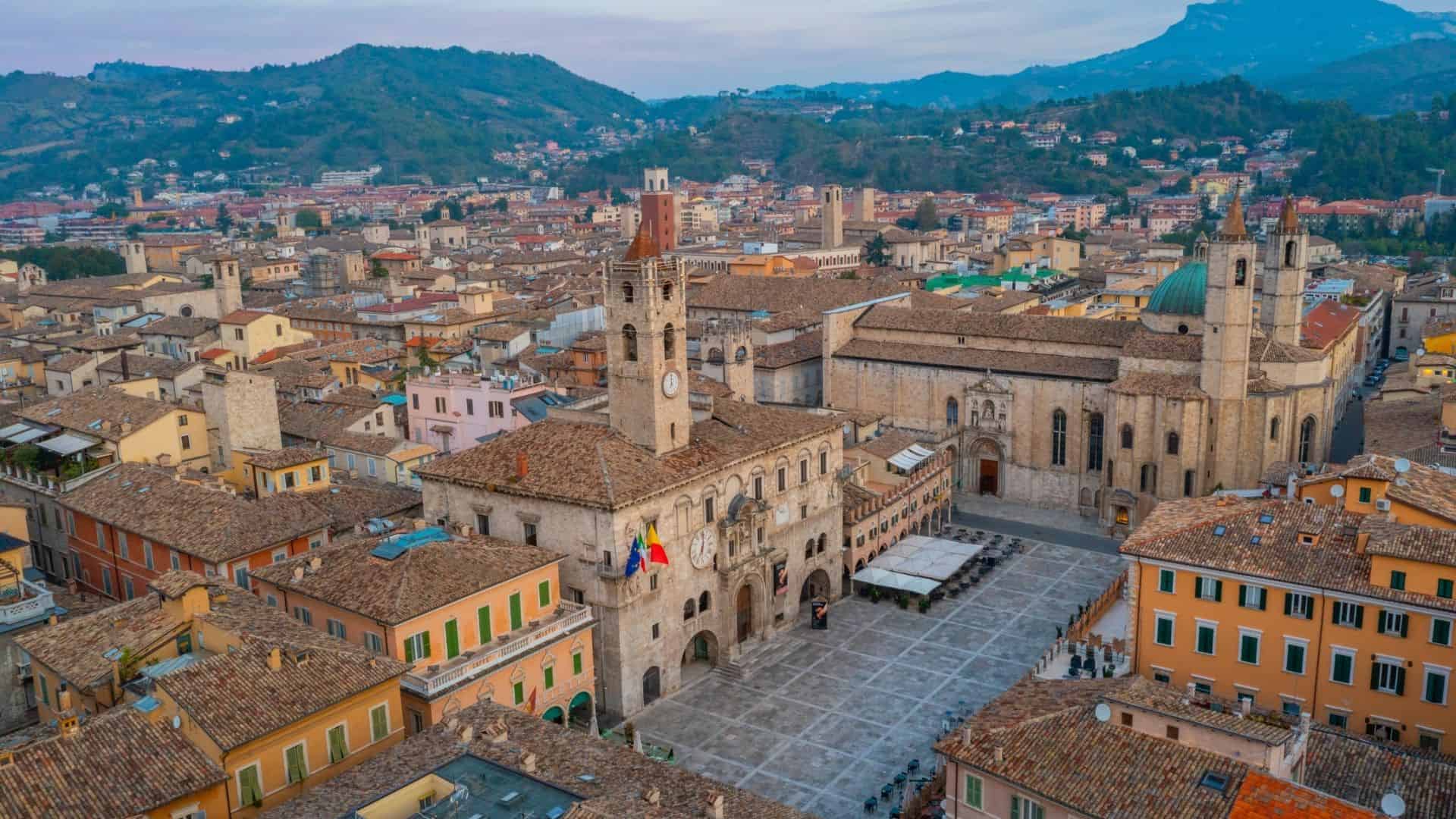
Ascoli Piceno enchants with its discreet elegance and the refinement of its travertine monuments in the historic center. Piazza del Popolo (People’s Square), considered one of the most beautiful in Italy, is an open-air living room surrounded by arcades and Renaissance buildings, where Caffè Meletti represents a city institution.
Known as the “city of a hundred towers,” Ascoli preserves numerous medieval testimonies alongside Romanesque churches and Renaissance palaces, creating a harmonious ensemble that tells centuries of history and art. The octagonal Battistero (Baptistery), the Chiesa di San Francesco (Church of St. Francis) with its dome, and the Pinacoteca Civica (Civic Art Gallery) are just some of the must-see stops.
The gastronomic tradition of Ascoli is especially known for the olive all’ascolana (Ascoli olives), large green olives stuffed with a mixture of meats, breaded and fried, an appetizer that alone is worth the trip. But don’t forget to taste the vincisgrassi, ancestors of lasagna, and the mixed Ascoli fried foods, accompanied by a glass of Rosso Piceno or Falerio, wines typical of the territory.
14. Ancona
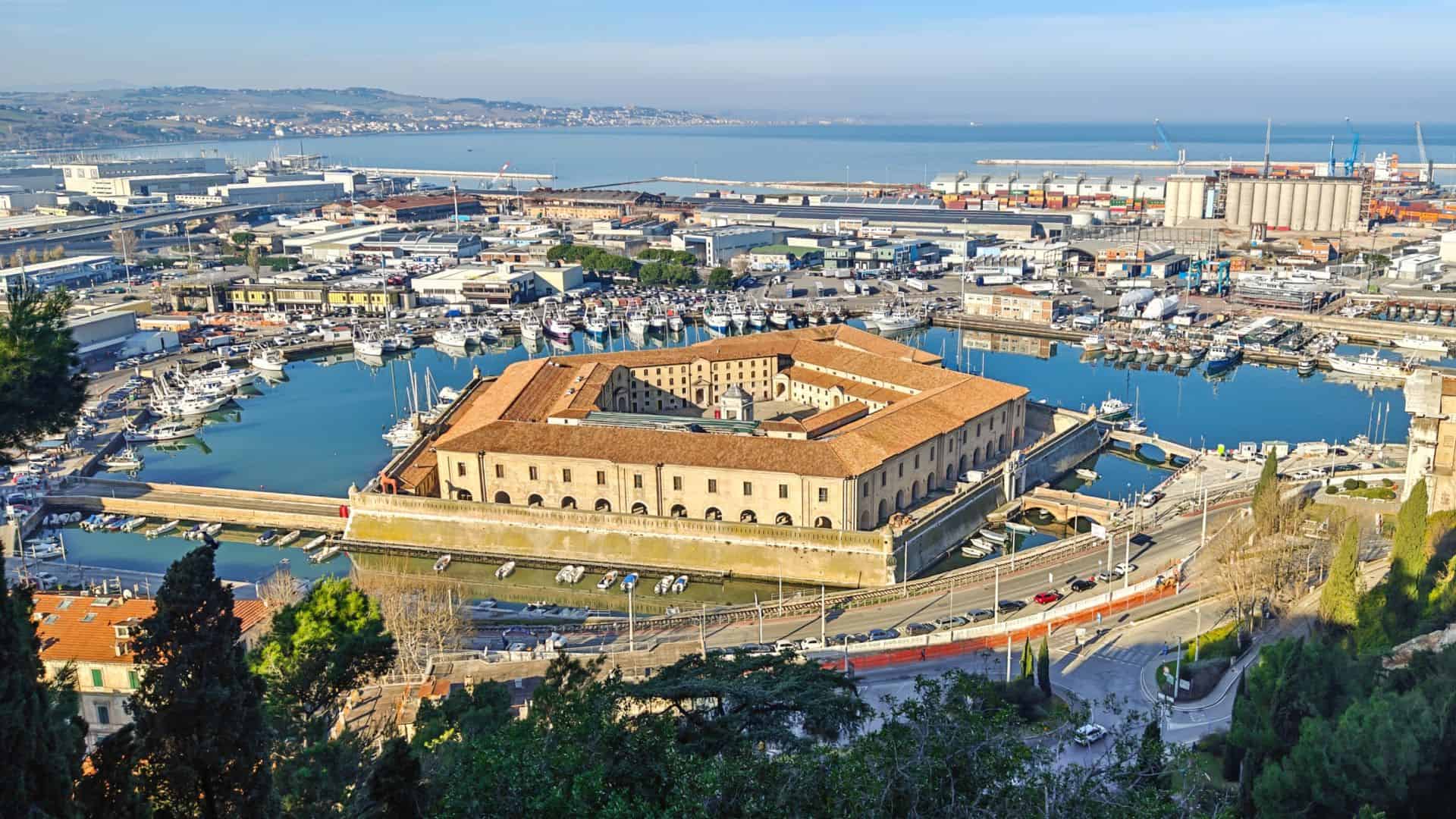
Overlooking the Adriatic, Ancona is an ancient seaside city and capital of the Marche region, whose name itself recalls the “elbow” shape (Ankón in Greek) of its natural harbor.
Dominated by the Cattedrale di San Ciriaco (Cathedral of San Ciriaco), positioned on the Guasco Hill, the city offers truly breathtaking panoramas.
Walking between the ancient port, where the elegant Arco di Traiano (Trajan’s Arch) stands as evidence of past Roman grandeur, and the historic center that climbs up the hill, you breathe a lively atmosphere. Not to be missed is the unique Mole Vanvitelliana, a pentagonal building on an artificial island, and the Passetto, with its monumental staircase that descends towards the characteristic caves carved into the cliff.
Regarding gastronomy, Ancona mostly celebrates the flavors of the sea: the undisputed protagonist is the brodetto all’anconetana, a soup with thirteen types of fish, but also stoccafisso (stockfish) and moscioli of Portonovo, mussels to be enjoyed in their pure form, perhaps accompanied by a glass of Verdicchio dei Castelli di Jesi or Rosso Conero, wine typical of the surrounding hills.
15. Taormina
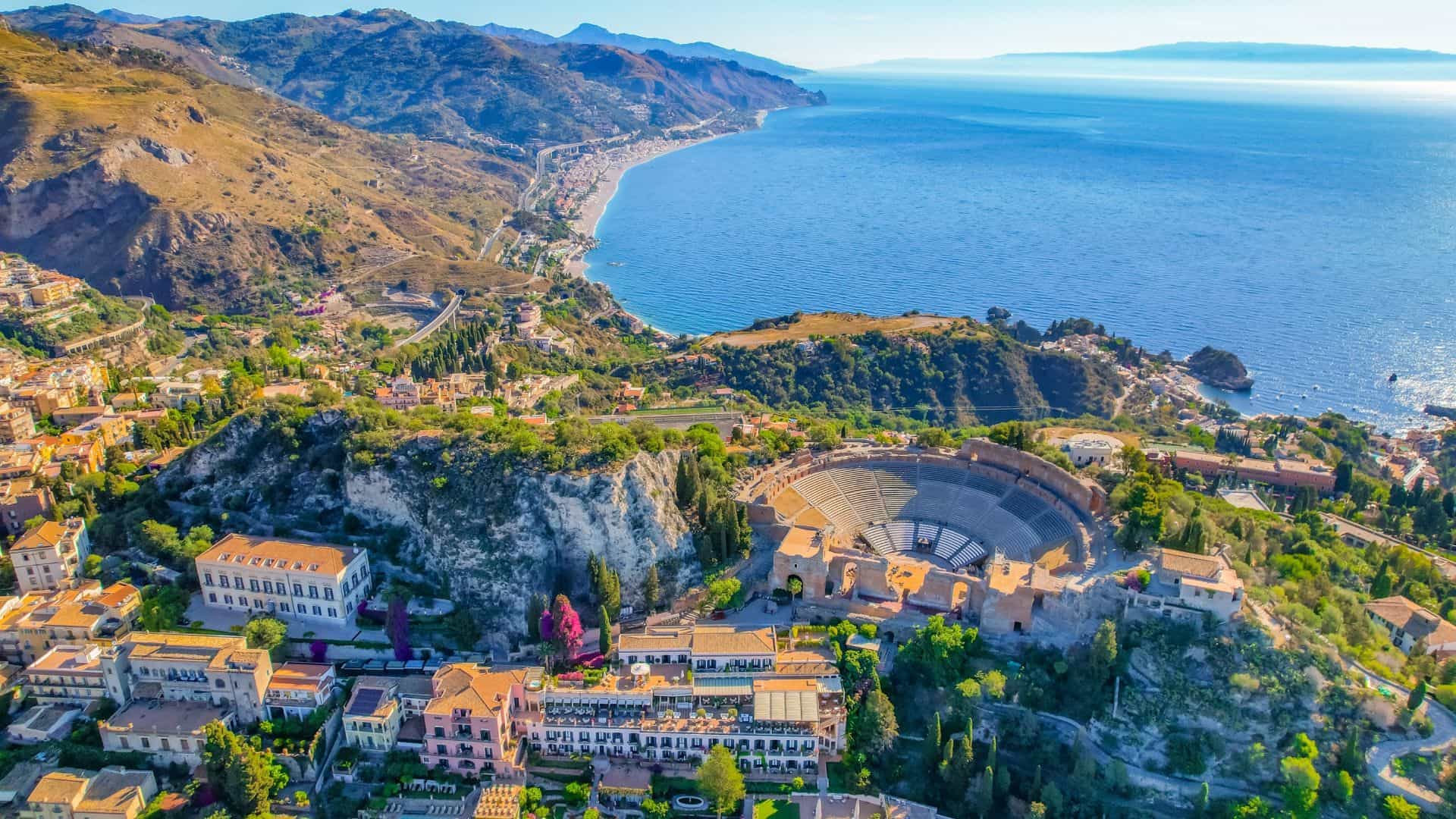
Set like a jewel on the eastern coast of Sicily, Taormina seduces visitors with its simply extraordinary panoramic position, which offers breathtaking views of the Ionian Sea and the imposing profile of Mount Etna on the horizon.
The undisputed symbol of the city is its magnificent Teatro Antico (Ancient Theater), a perfectly preserved testimony of the Greek-Roman presence, whose cavea opens onto a natural scenario of incomparable beauty. Even today, this magical place hosts concerts and shows of great suggestion.
Walking along Corso Umberto, the elegant main street, among luxury boutiques, historic cafes, and craft shops, is a pleasant experience, as is getting lost in the side streets or relaxing in the well-kept municipal gardens.
A short distance from the center, there are also seaside locations of great charm, such as the famous Isola Bella (Beautiful Island), an islet connected to the mainland by a thin strip of sand, and the baia di Mazzarò (Mazzarò Bay), reachable by a suggestive cable car.
16. Siracusa
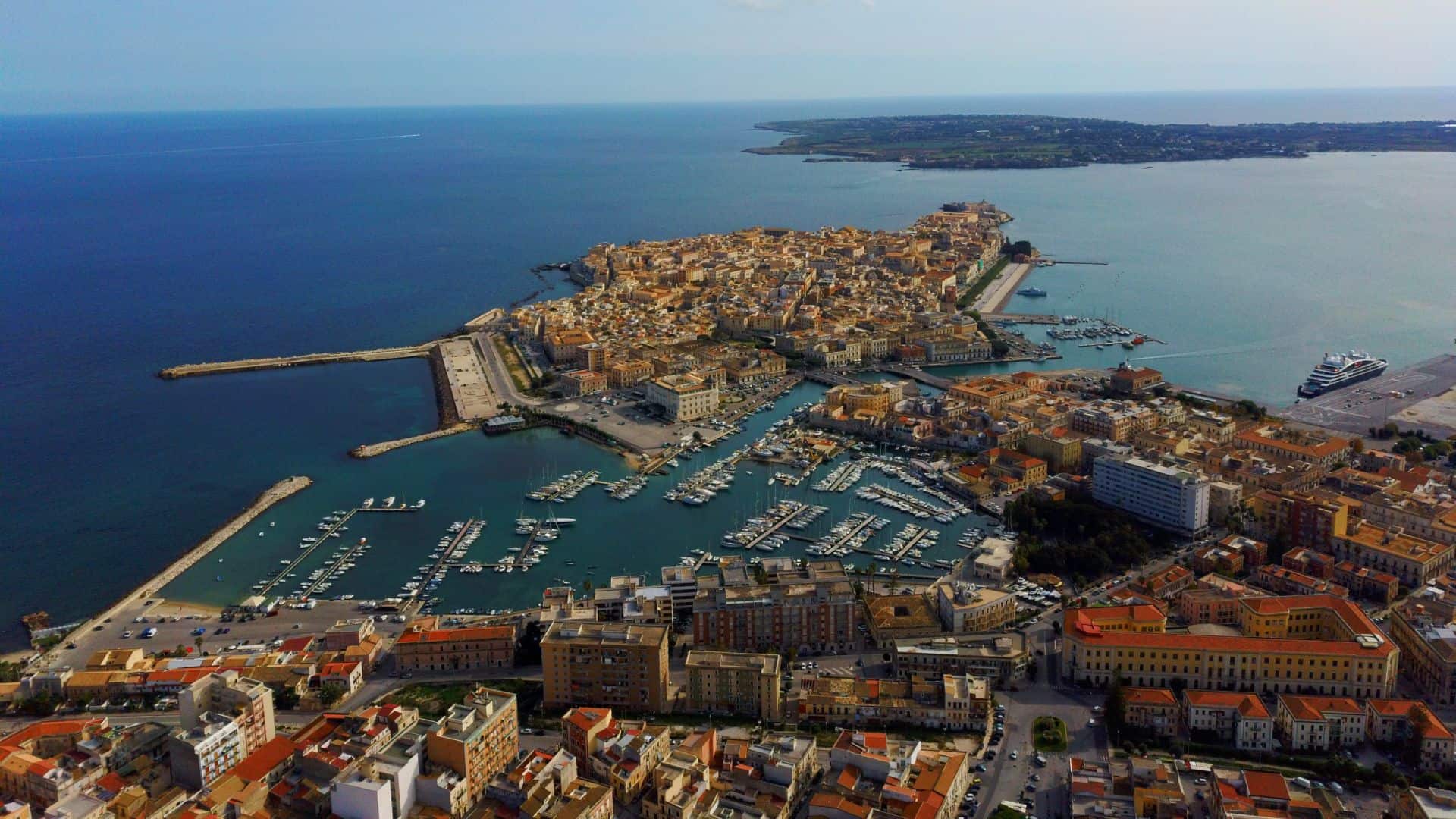
Syracuse is a city steeped in history, one of the most powerful and splendid colonies of Magna Graecia. Its glorious origin is evidenced by the imposing ruins of the Parco Archeologico della Neapolis (Archaeological Park of Neapolis), a vast area that includes the majestic Greek Theater, still used today for classical performances, the Roman Amphitheater, and the ancient stone quarries, among which stands out the suggestive artificial cave known as the Ear of Dionysius, famous for its exceptional acoustics.
The most lively part of the city, however, is on the island of Ortigia, connected to the mainland by two bridges. Getting lost in the maze of its narrow streets is a fascinating experience: you discover magnificent churches such as the Duomo (Cathedral), built incorporating the columns of an ancient Greek temple dedicated to Athena, noble palaces overlooking the sea, and picturesque views that open onto the Arethusa Fountain or the Maniace Castle.
17. Assisi
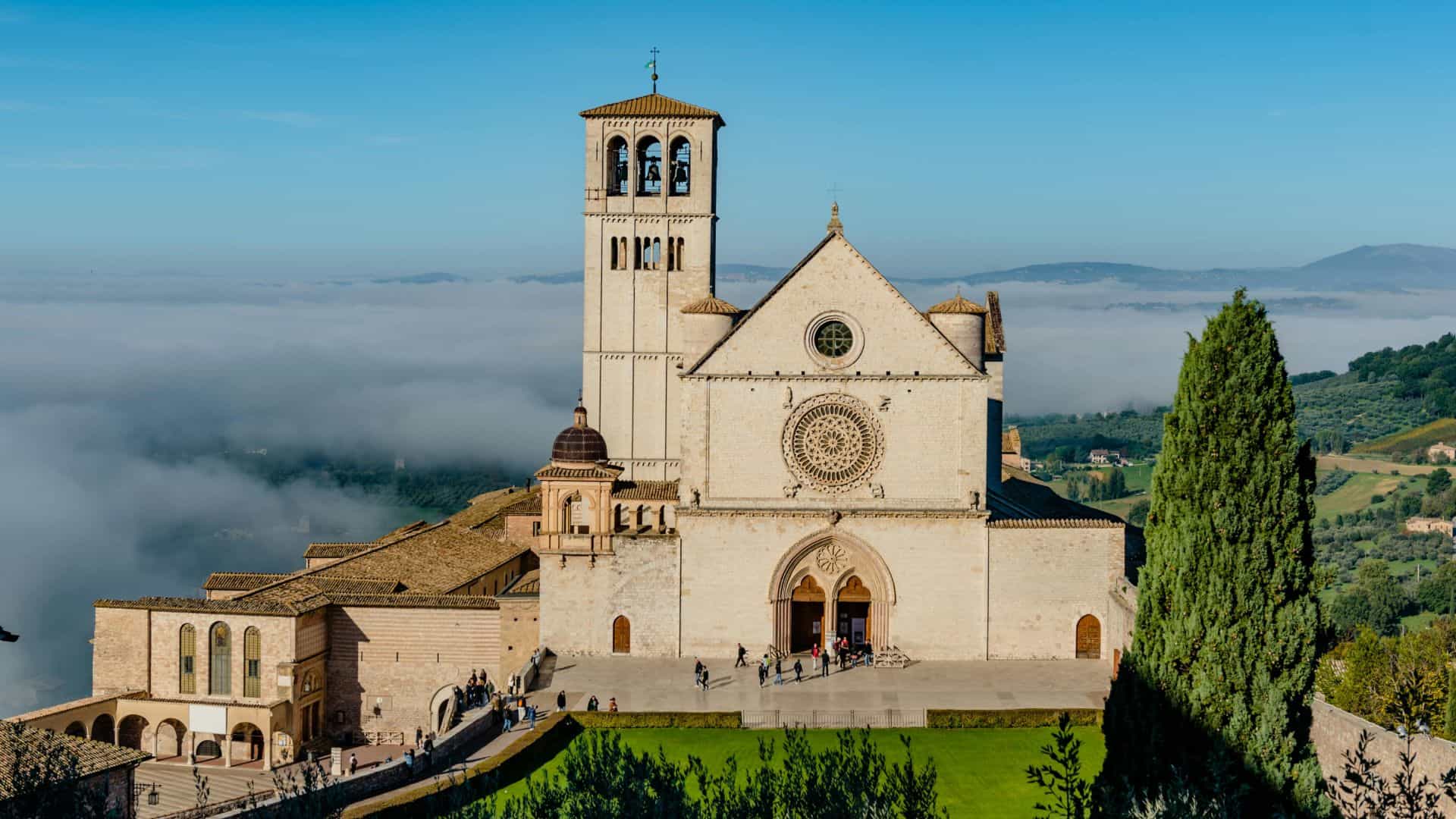
Assisi is a place steeped in spirituality, inextricably linked to the figure of St. Francis, patron saint of Italy, and St. Clare, who were born and lived here.
The Franciscan spiritual heritage has profoundly shaped the city, making it one of the most important pilgrimage destinations in the world. The monumental complex of the Basilica di San Francesco (Basilica of St. Francis), composed of the Lower and Upper Basilicas and decorated with extraordinary frescoes by Giotto, Cimabue, and other medieval masters, is a treasure of art and faith of inestimable value, declared a UNESCO World Heritage site. Equally significant is the Basilica di Santa Chiara (Basilica of St. Clare), which houses the remains of the Saint and the crucifix that spoke to St. Francis.
But Assisi is also a splendid medieval city, built in pink stone from Mount Subasio, with suggestive alleys, intimate squares like Piazza del Comune (Town Square) (where you can admire the Temple of Minerva, from Roman times), and imposing fortresses that dominate the landscape.
18. L’Aquila
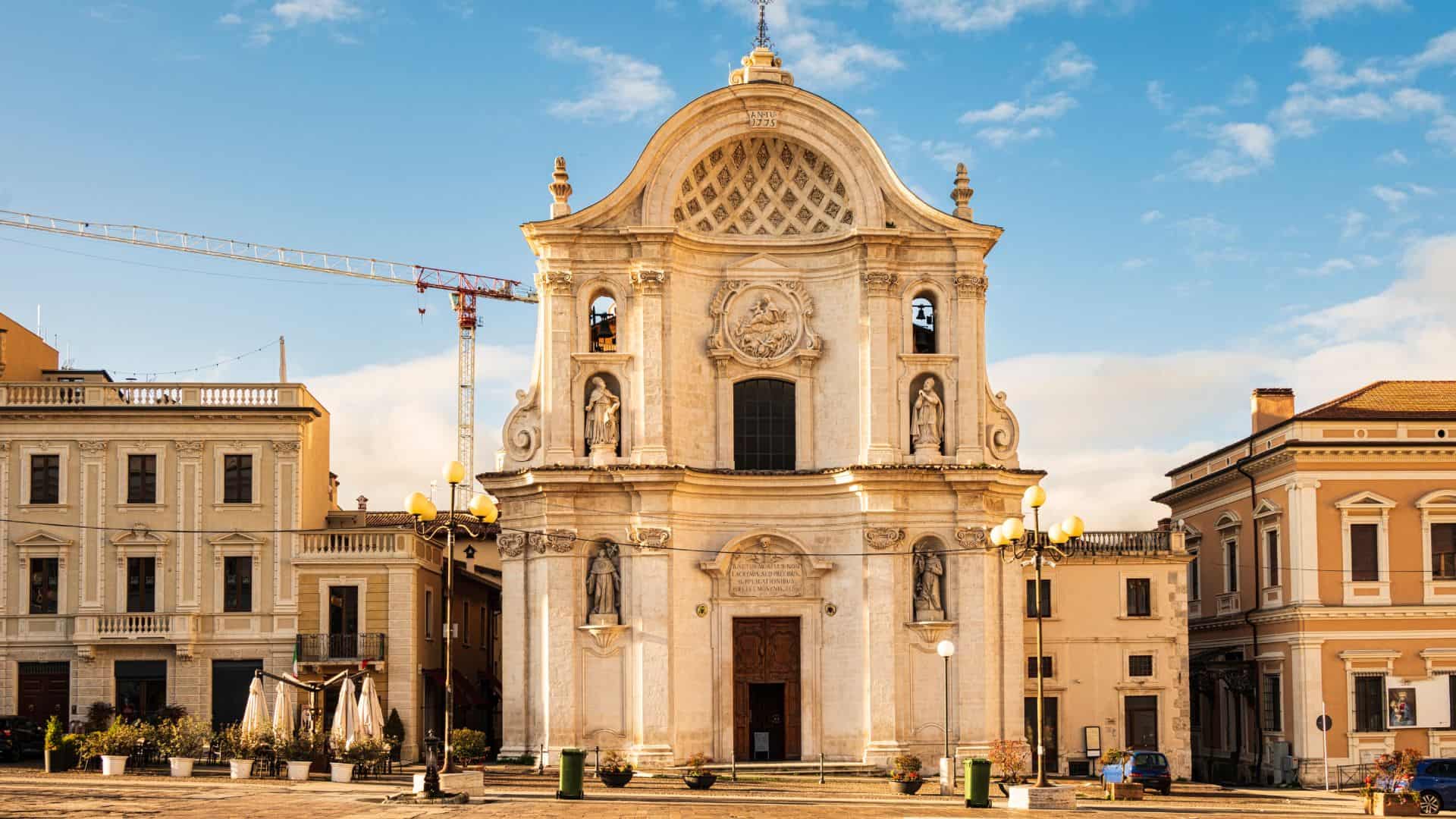
L’Aquila, capital of Abruzzo, is a city that is gradually recovering its ancient splendor after the wounds of the 2009 earthquake.
A symbol of this rebirth is the magnificent Basilica di Santa Maria di Collemaggio (Basilica of Santa Maria di Collemaggio), with its characteristic white and pink checkered facade and the Holy Door, which make it an important place of worship and history. Other jewels of its artistic and historical heritage are the evocative Fontana delle 99 cannelle (Fountain of the 99 Spouts), linked to the legend of the city’s foundation, and the imposing Forte Spagnolo (Spanish Fortress), a massive sixteenth-century military construction that today hosts cultural events.
L’Aquila is set in a context of extraordinary natural beauty, at the foot of the Gran Sasso d’Italia massif and surrounded by the Monti della Laga, a paradise for lovers of hiking, skiing, mountaineering, and all outdoor activities.
This proximity to nature is also reflected in the cuisine based on local products such as legumes, saffron, and sheep meat, from which derive the famous arrosticini, skewers of sheep meat cooked on the grill, a true gastronomic symbol of Abruzzo.
19. Sulmona
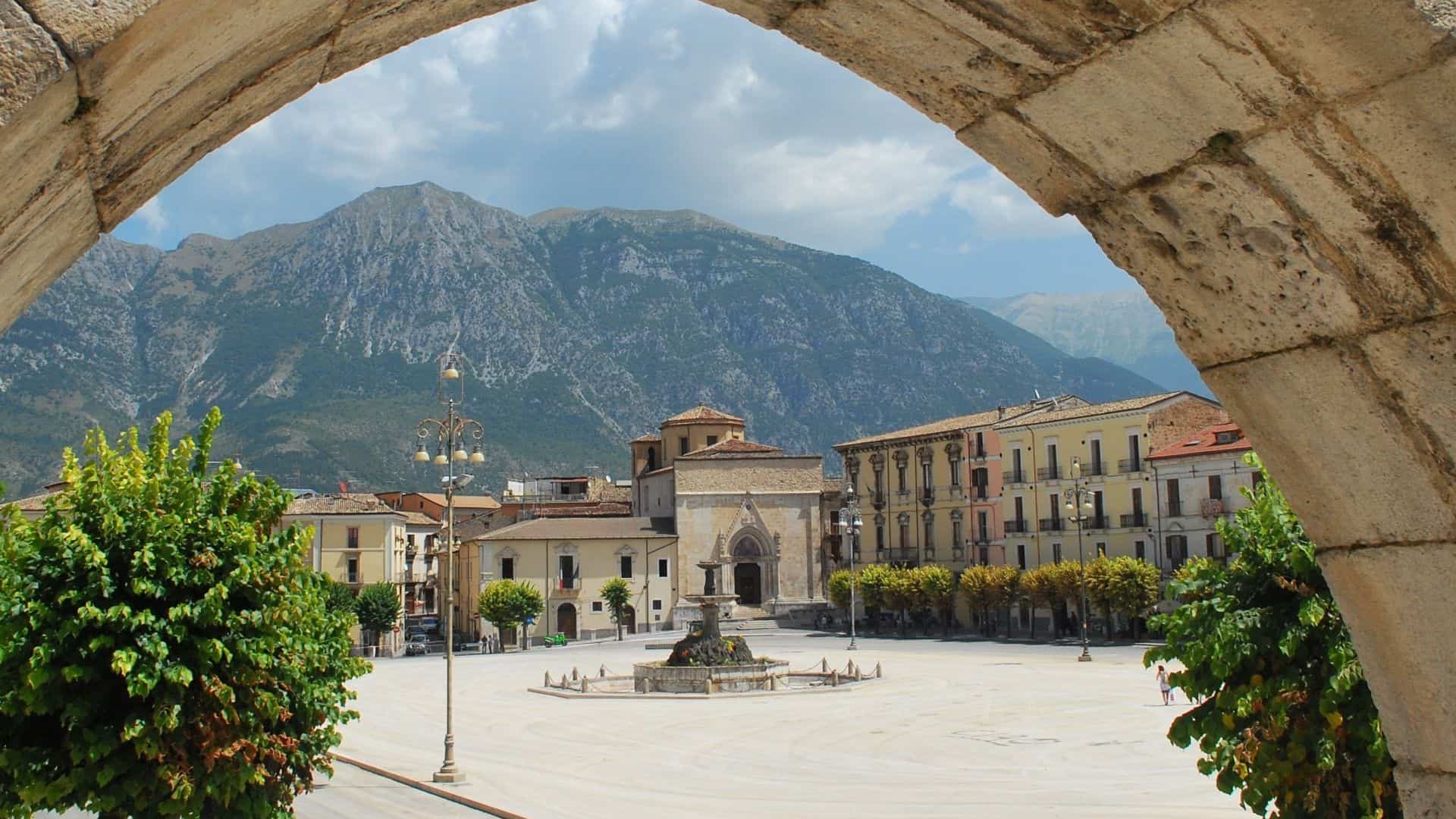
Nestled in the Peligna Valley and surrounded by the mountains of the Maiella National Park, Sulmona is a small city known worldwide for the production of confetti. These sweets, made with almonds and sugar, are packaged in colorful floral compositions that decorate the shop windows in the center.
Beyond this sweet excellence, Sulmona boasts an elegant and well-preserved historic center, where the imposing medieval aqueduct stands out, dramatically crossing the vast Piazza Garibaldi (Garibaldi Square), home to markets and the traditional Giostra Cavalleresca (Joust of Knights).
The city is also famous for being the birthplace of the celebrated Latin poet Ovid, author of “Metamorphoses,” to whom a statue is dedicated in the main square.
20. Osimo
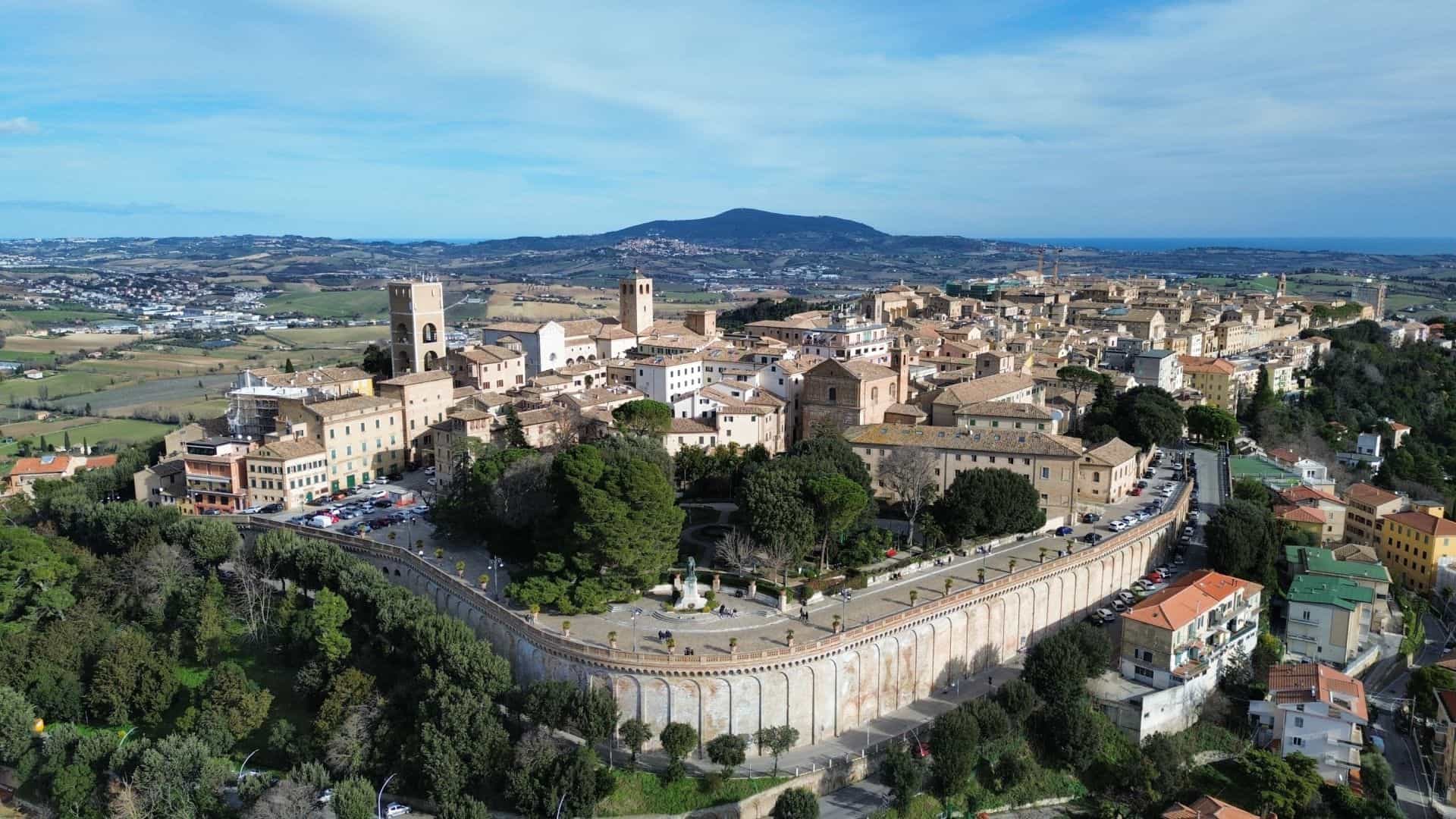
Osimo is a town in the Marche region characterized by a rich historical and artistic heritage.
Its ancient walls surround a compact and evocative historic center, dominated by the Duomo di San Leopardo (Cathedral of San Leopardo), a fine example of Romanesque-Gothic architecture, and embellished by elegant noble palaces.
But Osimo also hides a secret in its underground: an incredible maze of caves and tunnels carved into the sandstone, an underground world used over the centuries for various purposes, from defensive to ritual, which still arouses mystery and great curiosity among visitors and scholars.
Thanks to its elevated position, Osimo also offers breathtaking panoramic views of the Marche hills, extending to the Adriatic Sea and the Sibillini Mountains.
Discover the most beautiful cities of Italy with Anita Villas
As you will have gathered from reading this guide, traveling in the Bel Paese is a continuous surprise, and it’s possible to move from urban contexts steeped in history to picturesque coastal villages or capitals of art within a few kilometers.
To fully experience the richness of these experiences, it is essential to carefully choose your accommodation for your stay, especially if you wish to combine the discovery of the territory with moments of relaxation and more intimate contact with nature.
To enjoy all this, a villa with a swimming pool is the ideal solution. A villa holiday, in fact, gives you private spaces, comfort, and the freedom to live according to your own rhythms, without imposed schedules or the confusion of crowded hotels.
We at Anita Villas offer a wide selection of exclusive properties in strategic positions, perfect for exploring the cities we described above. Each property is chosen to guarantee high standards of comfort and to be located in unique locations, ideal as a base for your discoveries.
All that remains is to choose your next Italian destination and book a stay that will make your experience even more special!