




Castiglione della Pescaia is one of Tuscany’s most beloved seaside villages. Located in the heart of the Maremma region, this coastal town attracts Italian and international travelers every year who are looking for an authentic place to relax and discover scenic and cultural treasures.
Strolling through the village’s cobblestone streets, admiring the sea view from the castle, or heading to the golden beaches just outside the center, it becomes clear why this corner of Tuscany is one of the most popular destinations on the Tyrrhenian coast.
In this article, we will guide you through 15 points of interest, both inside and just outside the village, that are unmissable for anyone wanting to fully experience the spirit of this local gem.
Why You Should Visit Castiglione della Pescaia
Its strategic position in the Tuscan Maremma makes this village an ideal starting point for exploring the surrounding territory.
The town sits on the coast of the Tyrrhenian Sea, overlooking the islands of the Tuscan Archipelago and offering truly wonderful panoramas. From the surrounding hills, you can see spectacular views of the countryside and the sea, with sunsets that paint the landscape in warm hues.
Castiglione della Pescaia is one of the most charming medieval villages in Italy, and it holds a natural, historical, and cultural heritage of great value. It climbs up a promontory with well-preserved walls, towers, and entrance gates, while the lower part features a seafront promenade with sandy beaches and beach clubs.
Nature is a key feature, with protected areas like the Diaccia Botrona, a reserve of great environmental and wildlife interest that showcases the most authentic soul of the Maremma. Museums, churches, archaeological sites, and scenic routes complete the experience, allowing you to get to know the area in depth.
This balance between sea, history, and nature, combined with a relaxed and welcoming atmosphere, makes Castiglione della Pescaia a perfect destination for those who want to discover Tuscany in an authentic way.

What to See in Castiglione della Pescaia?
Visiting this town means following an itinerary that crosses centuries of history, among medieval remains, panoramic views, and points of interest that tell the daily life of a village that grew around its castle.
1. Medieval Village
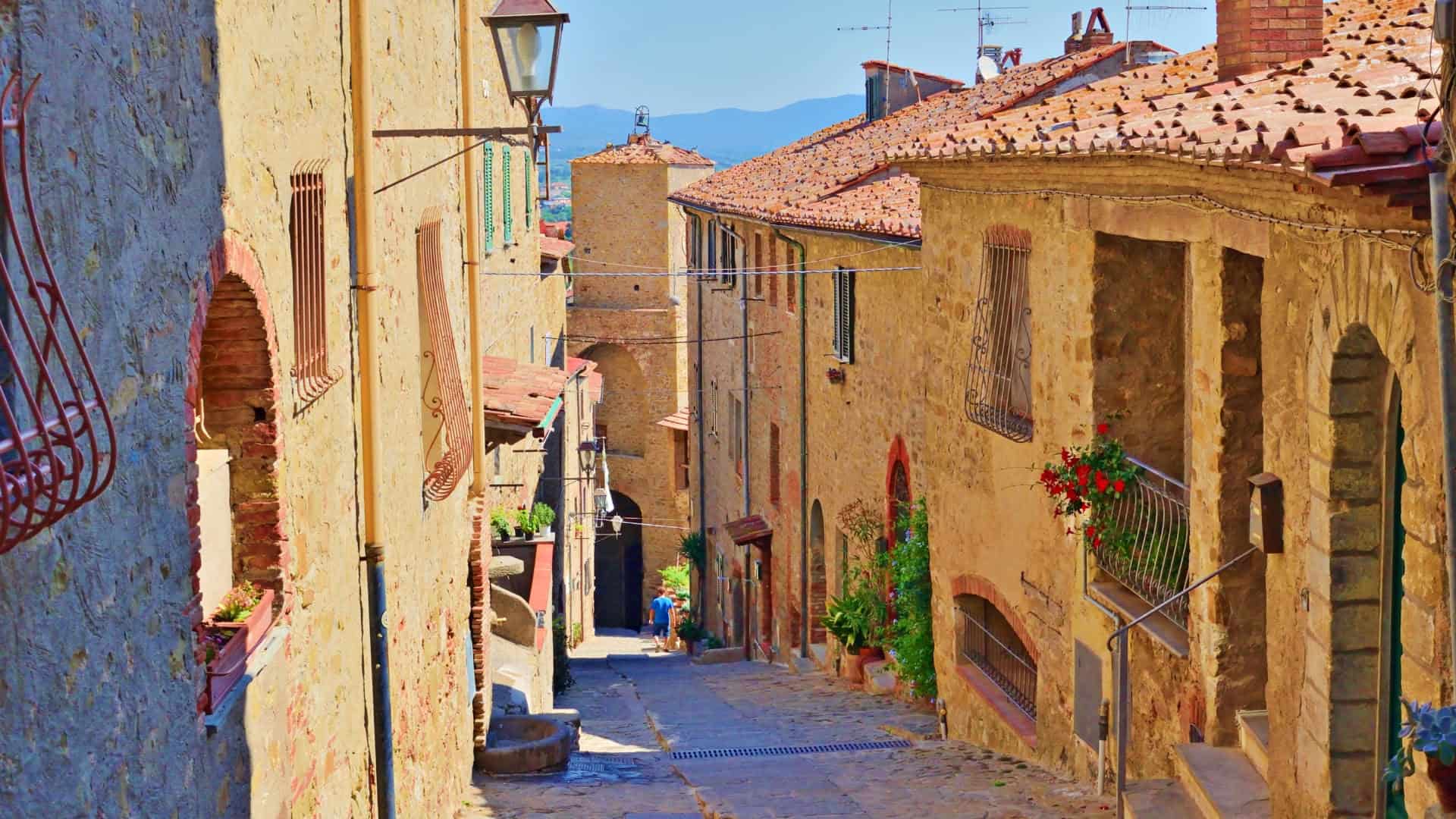
The medieval village climbs up the promontory with an urban layout that still preserves its original structure. The narrow, cobblestone streets lead to quiet squares, stone houses, and old shops, offering the chance to explore an authentic historic center.
Walking along the main path, you reach the panoramic point that overlooks the Tyrrhenian coast, with a view that opens up to the sea and the islands of the Tuscan Archipelago.
This part of the town is also a great place to experience the local atmosphere, with small restaurants and bars housed in historic buildings that have kept their identity intact.
| TICKET PRICE | Free |
| HOW TO BOOK | Free access |
| HOW TO GET THERE FROM THE CENTER | Discover the route |
2. The Castle
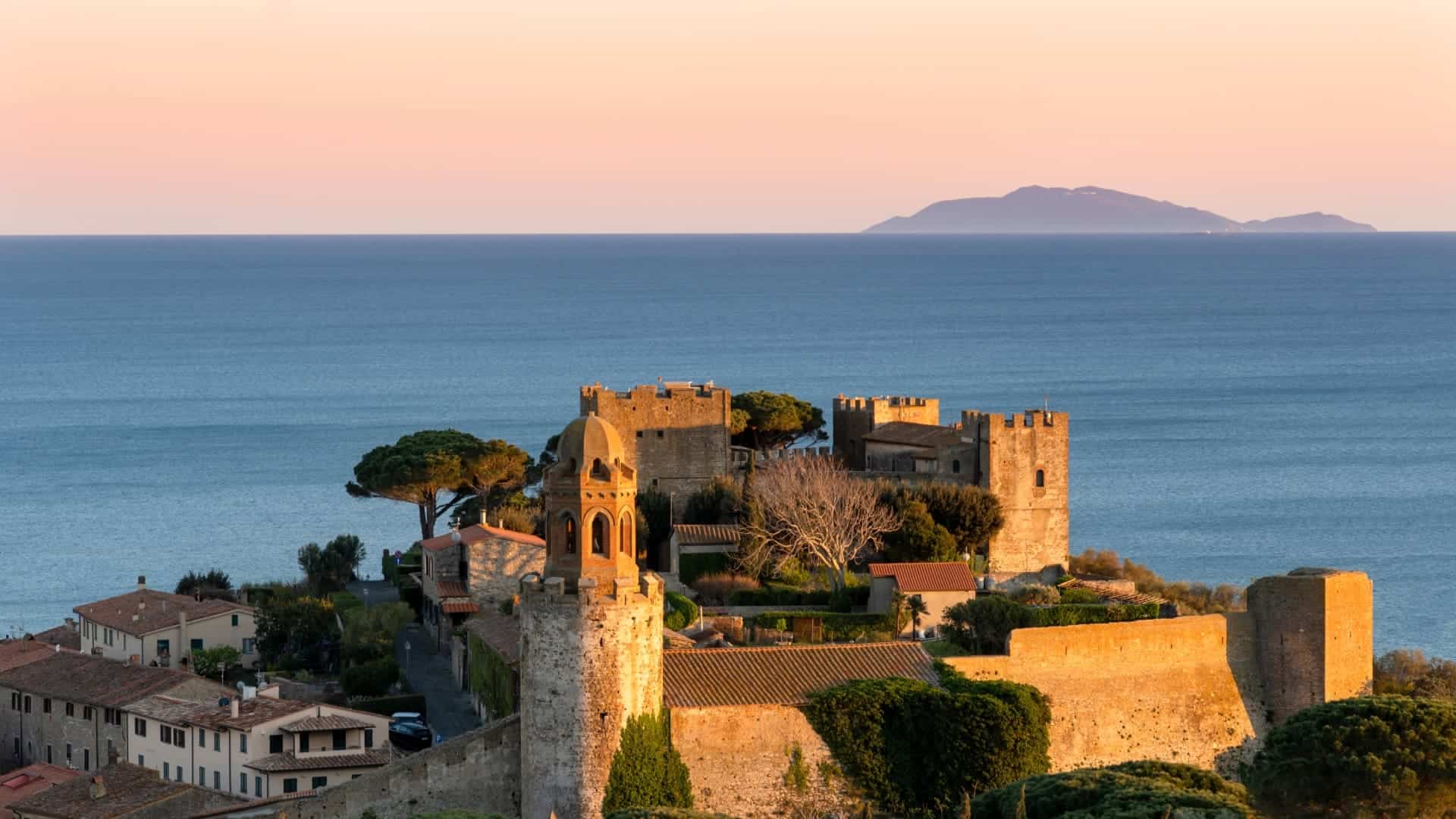
The Castle of Castiglione della Pescaia is the most representative architectural element of the village. Built around the 10th century on a previous fortification, it dominates the entire historic center with its crenelated towers and well-preserved walls.
In the past, it served a strategic defensive function against sea raids and controlled the lagoon below. Today, the top of the castle is one of the best viewpoints in the area, with a wide view that stretches from the Maremma hills to the sandy beaches.
Although not all areas are accessible, the walk along the outer walls allows you to appreciate the original structure and the historical importance it has had over the centuries.
| TICKET PRICE | Free |
| HOW TO BOOK | Free access |
| HOW TO GET THERE FROM THE CENTER | Discover the route |
3. The City Walls
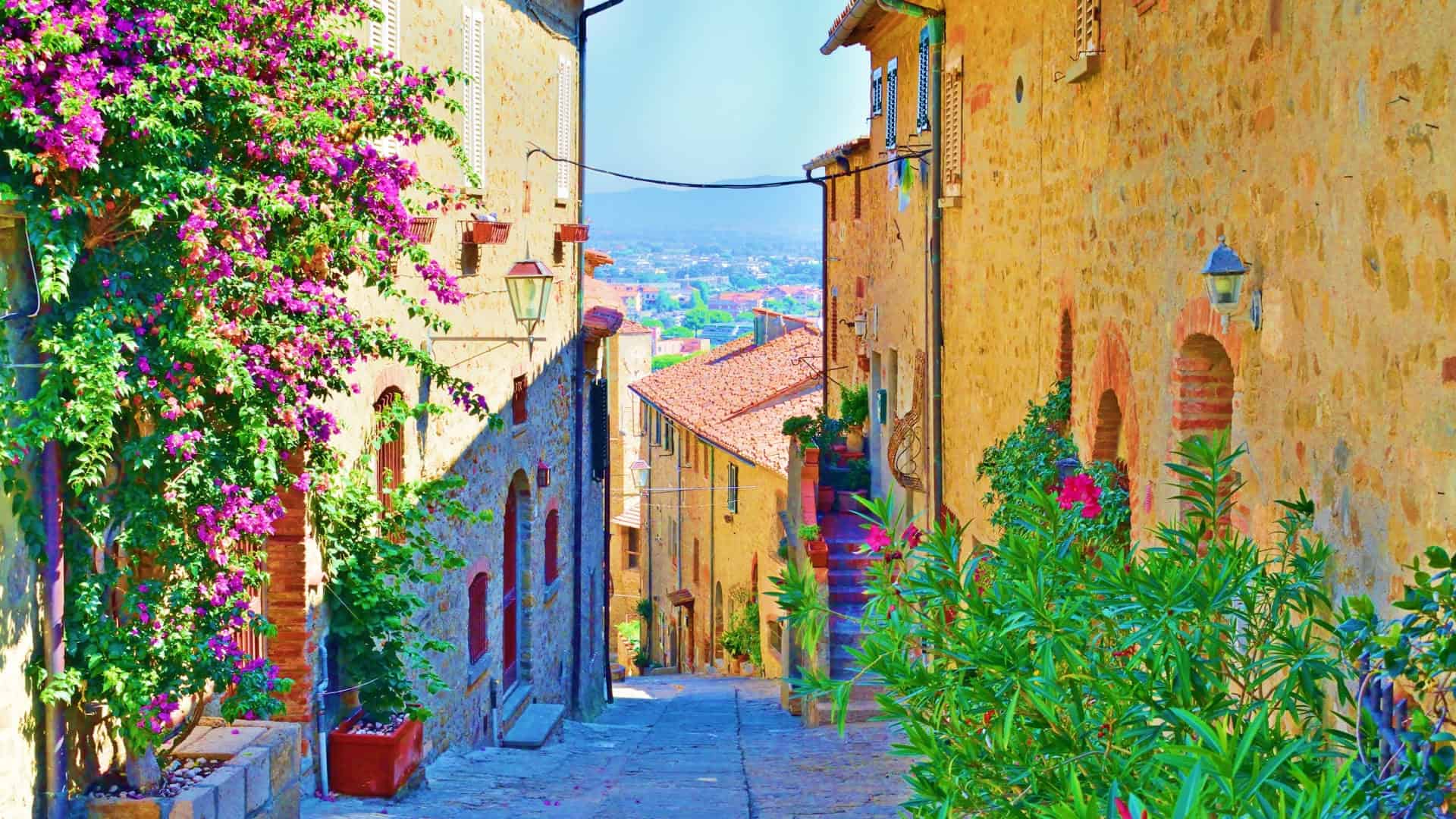
The walls of Castiglione della Pescaia surround the upper part of the village, still telling the story of its defensive purpose. They were built between the 10th and 15th centuries and reinforced several times throughout history, especially during the period of the Republic of Pisa and later under the Grand Duchy of Tuscany.
The walkways and watchtowers are still visible, which allowed for effective control of the coast and the inland areas. Walking along the walls means being amazed by the panoramic views of the sea and the lagoon.
It is one of the best-preserved historical testimonies of the Maremma, perfect for those who love medieval history.
| TICKET PRICE | Free |
| HOW TO BOOK | Free access |
| HOW TO GET THERE FROM THE CENTER | Discover the route |
4. Porta Urbica (Urban Gate)
The Porta Urbica is one of the main entrances to the medieval village of Castiglione della Pescaia. Built as part of the defensive system, this gate allowed for access control and protection from land attacks.
The stone structure still retains original elements, such as loopholes and guard openings, allowing you to sense the military function of the village over the centuries. Passing through Porta Urbica, you immediately enter the oldest area, with cobblestone streets leading up to the castle.
| TICKET PRICE | Free |
| HOW TO BOOK | Free access |
| HOW TO GET THERE FROM THE CENTER | Discover the route |
5. Church of San Giovanni Battista
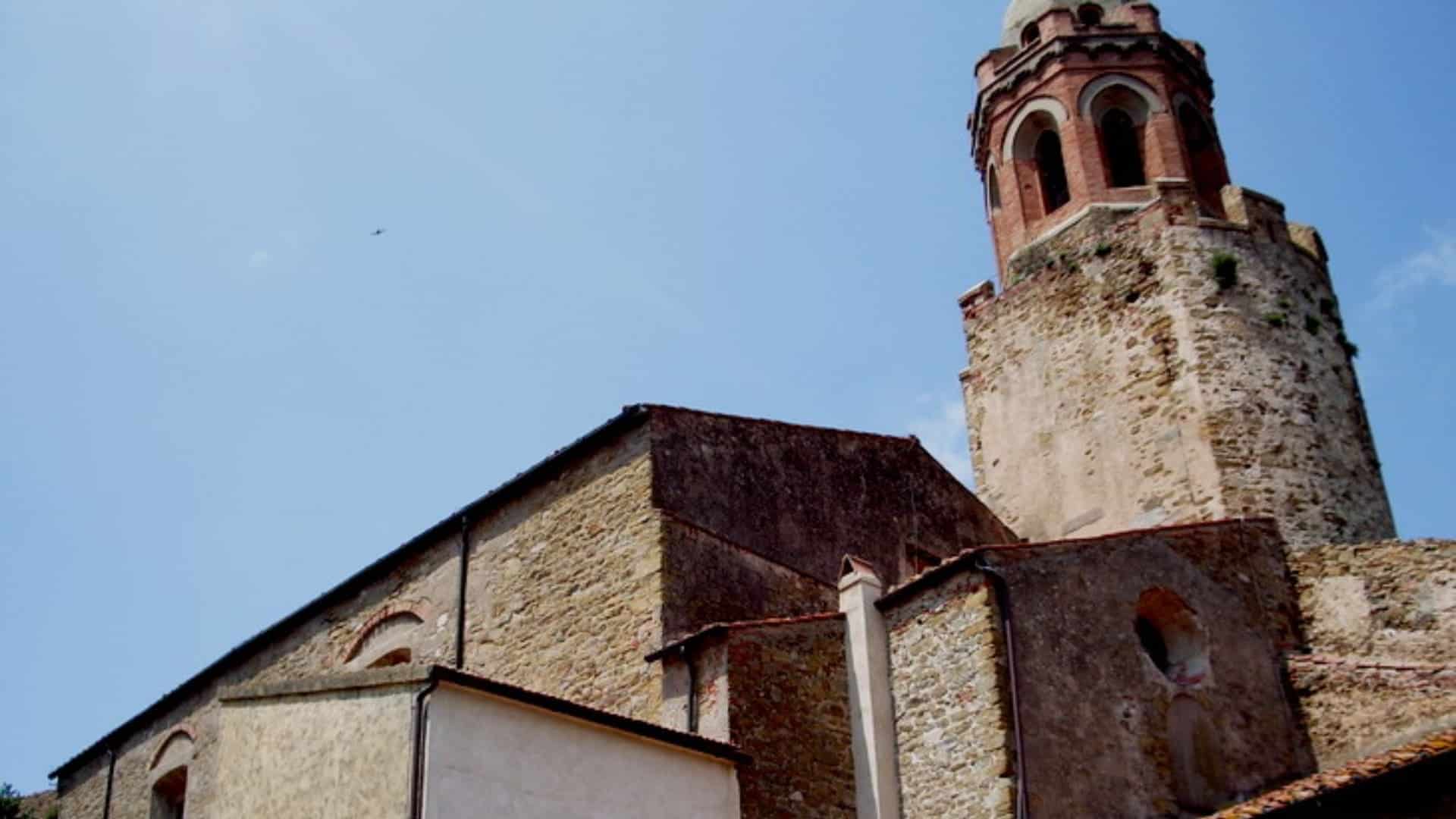
The Church of San Giovanni Battista is located in the heart of the village and is one of the most significant religious buildings in Castiglione della Pescaia.
Its origin dates back to the 13th century, with later interventions that have partially modified its appearance, while still retaining historical elements such as the bell tower and some interior decorations.
The church houses sacred works and Renaissance-style altars, offering an interesting testimony to local religious history.
| TICKET PRICE | Free |
| HOW TO BOOK | Free access |
| HOW TO GET THERE FROM THE CENTER | Discover the route |
6. Palazzo Centurioni (Centurioni Palace)
The Palazzo Centurioni, built between the 16th and 17th centuries, was home to one of the local noble families, linked to the city’s historical events and maritime trade.
The facade retains typical features of the era, with stone balconies and symmetrical openings, while inside you can observe original decorative and structural elements.
The palace tells the story of the noble families who inhabited the village over time and offers a privileged viewpoint for understanding the social and urban organization of Castiglione della Pescaia through the centuries.
| TICKET PRICE | Free |
| HOW TO BOOK | Free access |
| HOW TO GET THERE FROM THE CENTER | Discover the route |
7. Italo Calvino’s Tomb
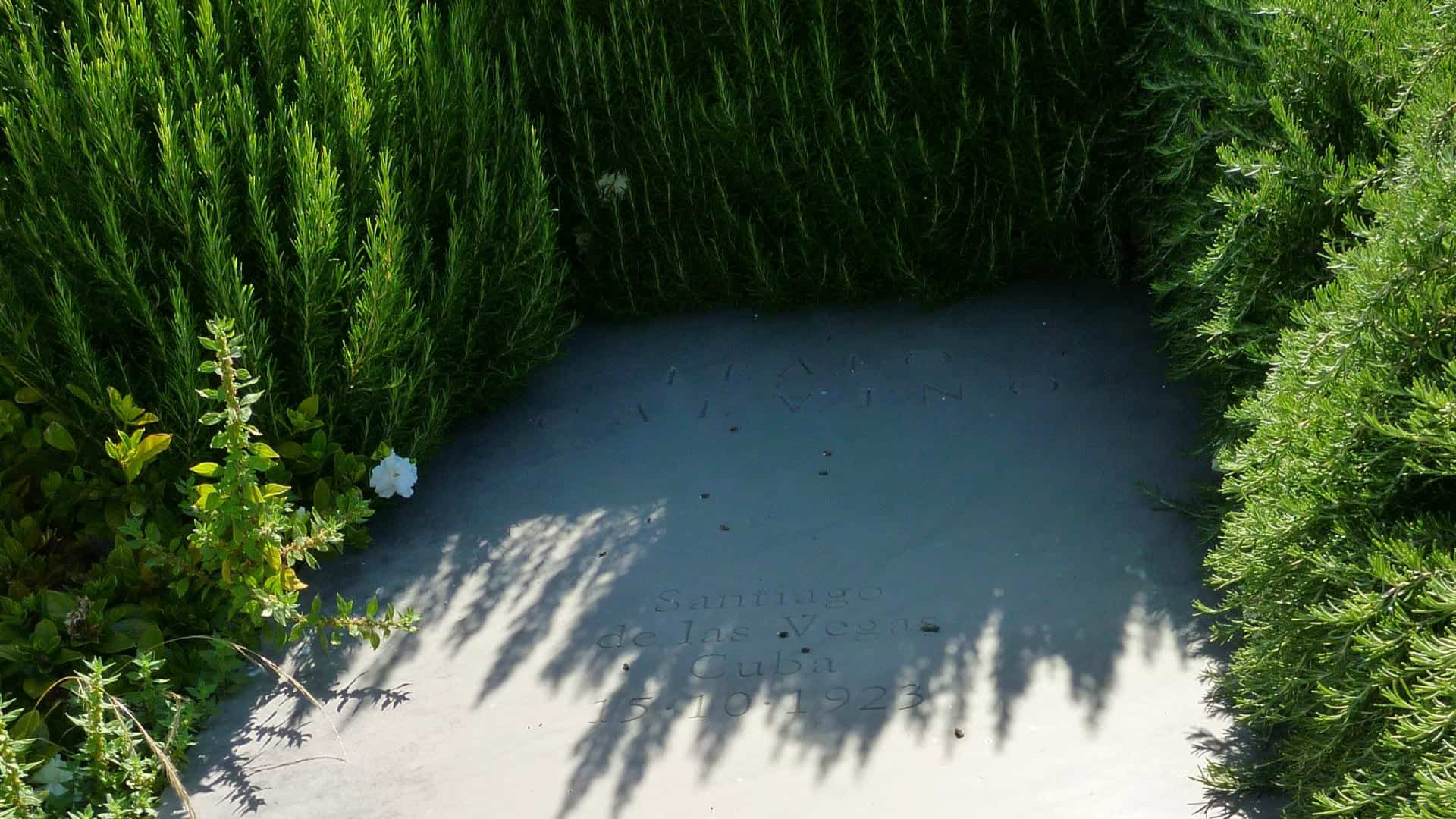
Italo Calvino’s tomb is located in the cemetery of Castiglione della Pescaia and is a destination for literature enthusiasts and curious visitors. The writer, born in Cuba but deeply connected to Italy, chose this place for its tranquility and proximity to the sea, which often inspired his works.
The tomb is simple, without excessive decoration, reflecting the sober and detail-oriented approach that characterized Calvino.
| TICKET PRICE | Free |
| HOW TO BOOK | Free access |
| HOW TO GET THERE FROM THE CENTER | Discover the route |
8. Casa Rossa Ximenes Museum
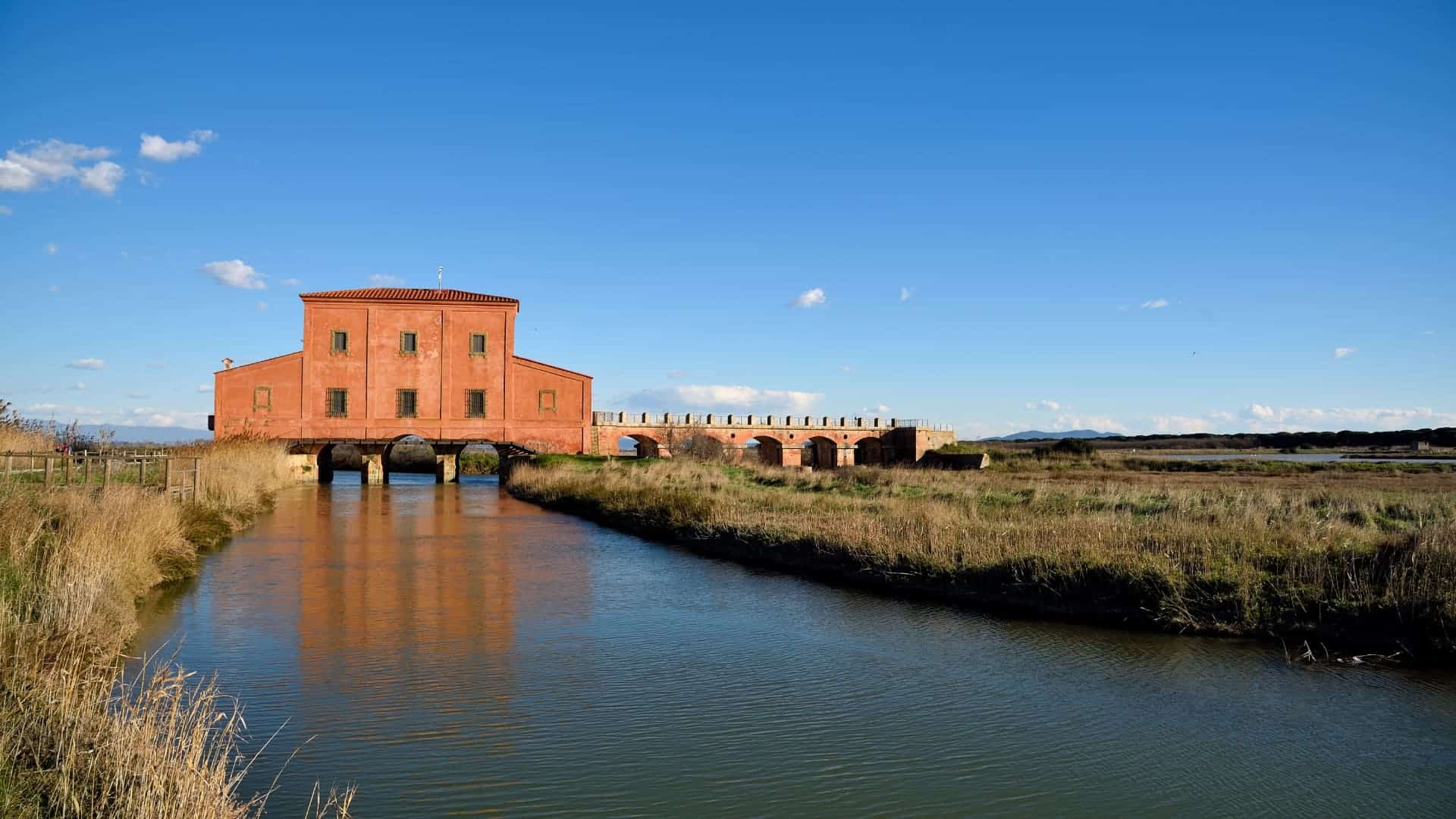
The Casa Rossa Ximenes Museum is a historic structure that houses exhibitions dedicated to local science, history, and the environment. Located in an 18th-century building, it is named after Marquis Ximenes, who contributed to the area’s development with hydraulic engineering and urban planning projects.
The museum allows you to get an up-close look at the history of the Maremma, with a focus on hydraulic interventions, land reclamation, and the evolution of the territory from a natural and human perspective.
The exhibition rooms display historical instruments, documents, and photographs, making the visit interesting for both adults and students.
| TICKET PRICE | Full: €3.00 Reduced: €1.50 for under 18s and over 65s, university students up to 25, groups over 25 people, companions of people with disabilities School groups: €1.00 Free: Children under 6, people with disabilities, journalists, tour and environmental guides, residents of the Municipality of Castiglione della Pescaia |
| HOW TO BOOK | Free access |
| HOW TO GET THERE FROM THE CENTER | Discover the route |
9. Seafront Promenade
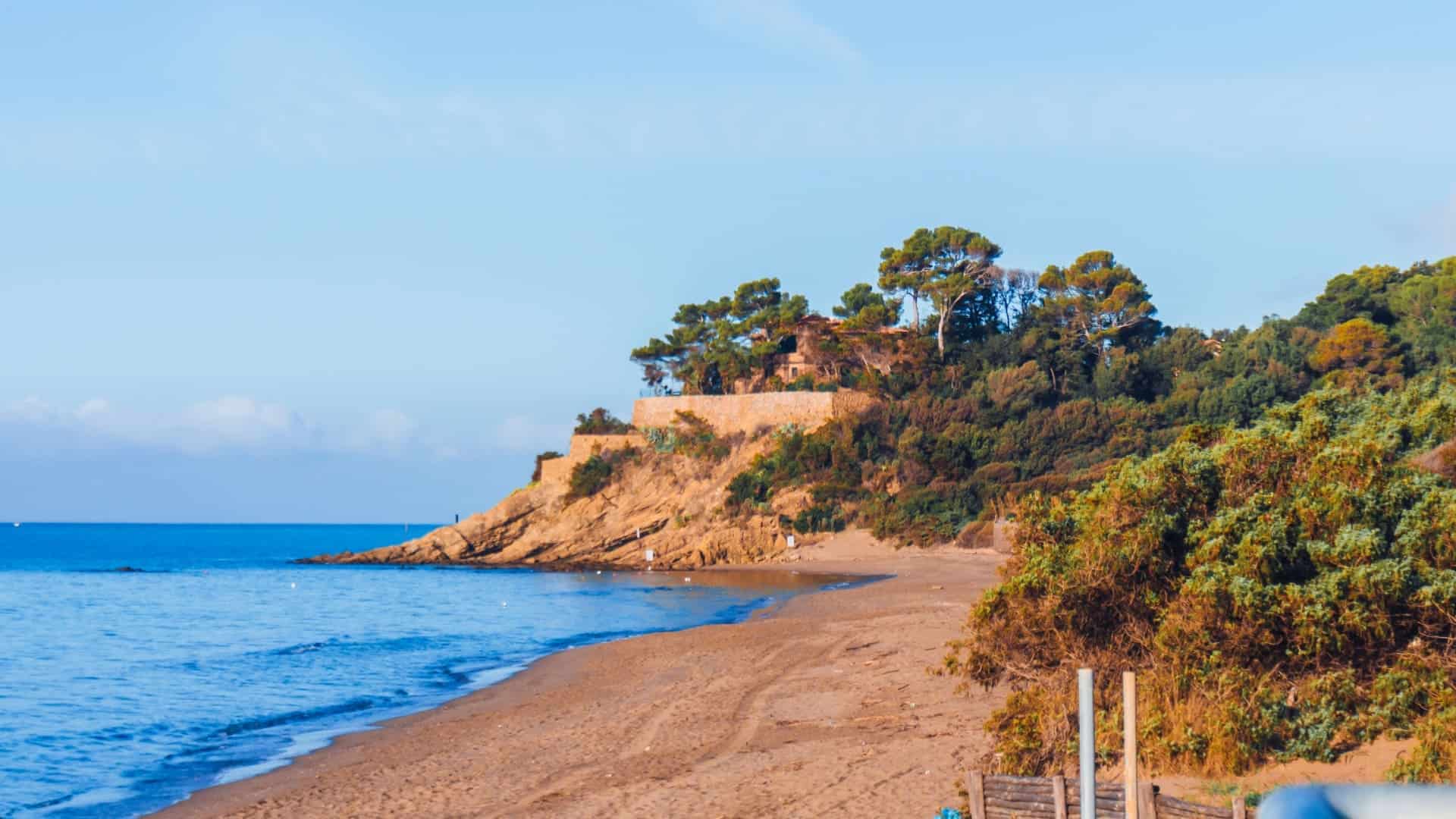
The seafront promenade of Castiglione della Pescaia extends to connect the main beaches with the town center. It is a lively walk where bars, restaurants, and cafes overlook the sea, offering the chance to stop for an aperitif or lunch with a view.
The adjacent beaches, characterized by fine sand and clear waters, are easily accessible and allow you to alternate moments of relaxation with walks along the sea.
This place is also a perfect spot to admire the sunset, with the islands of the Tuscan Archipelago in the background.
| TICKET PRICE | Free |
| HOW TO BOOK | Free access |
| HOW TO GET THERE FROM THE CENTER | Discover the route |
10. Roccamare
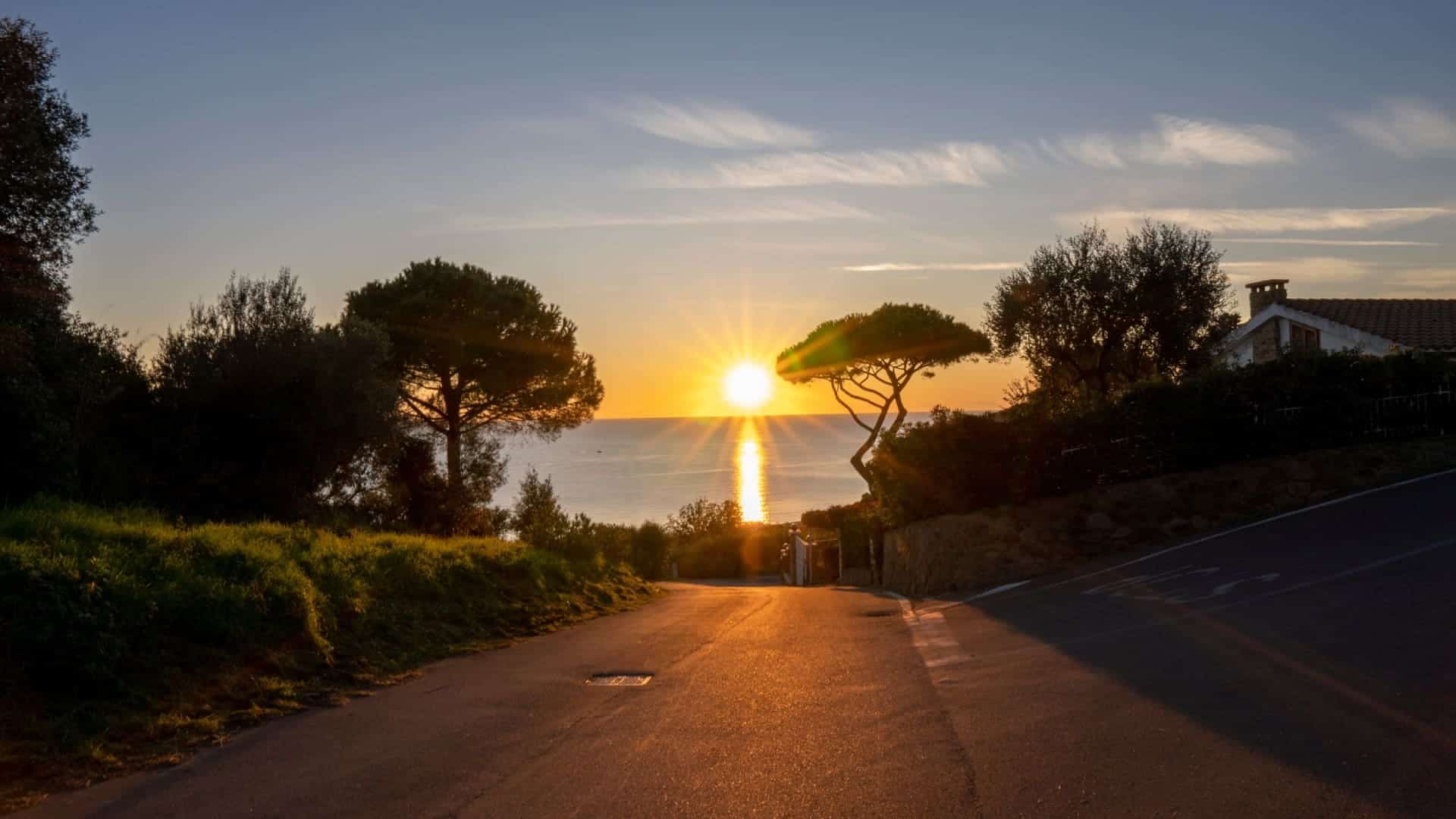
Roccamare is a seaside resort located a few kilometers from the center of Castiglione della Pescaia, known for its wide beaches and the surrounding pine forest.
The area is characterized by villas and residences immersed in Mediterranean vegetation, offering a quiet and private setting. The beach is long and sandy, with gently sloping seabeds, ideal for families and those who want direct contact with nature.
Roccamare is also a starting point for walks in the pine forest and cycling paths that wind along the coast, allowing you to explore the territory without straying too far from the sea.
| TICKET PRICE | Free |
| HOW TO BOOK | Free access |
| HOW TO GET THERE FROM THE CENTER | Discover the route |
11. Spiaggia delle Rocchette (Rochette Beach)
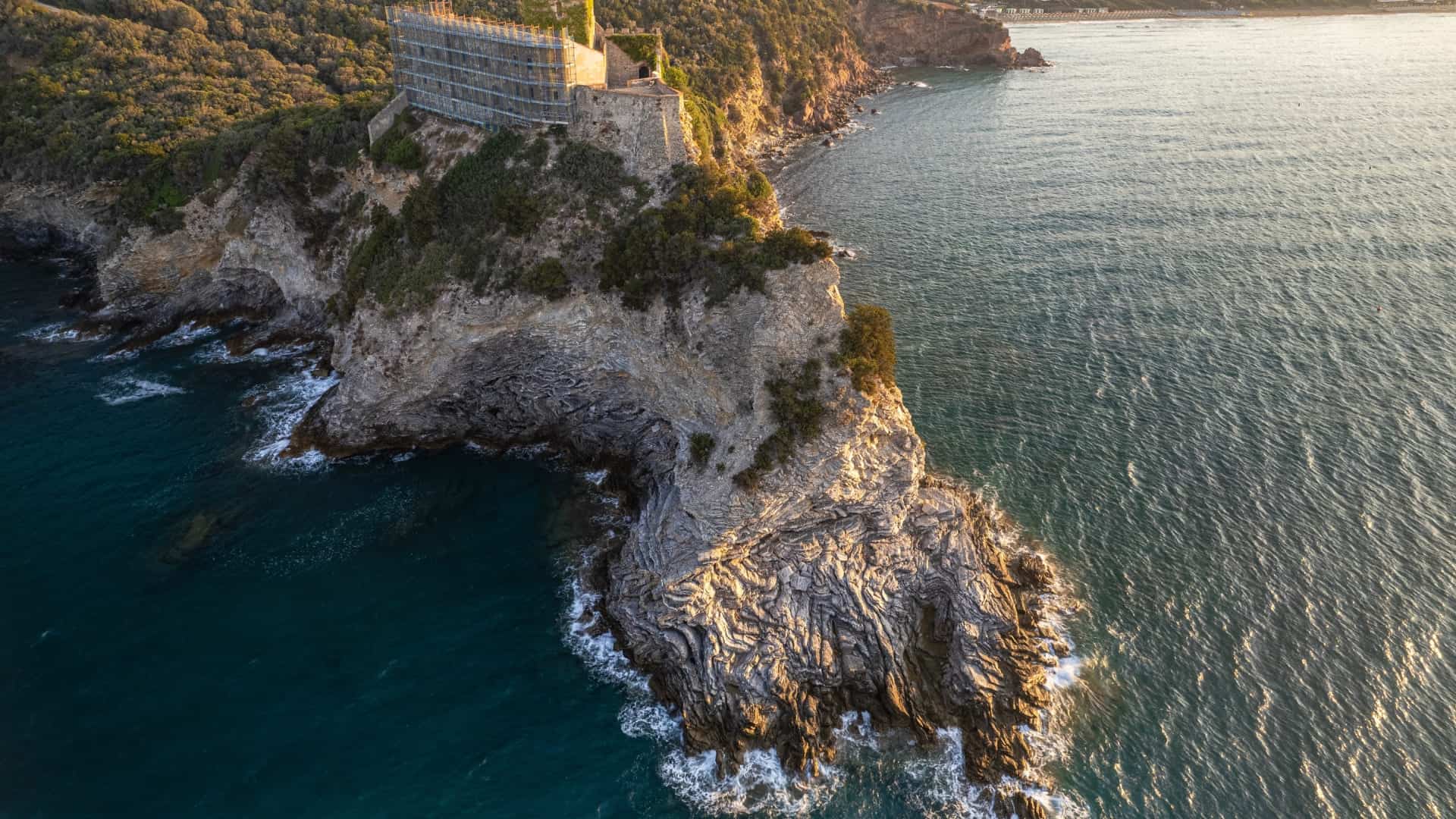
Spiaggia delle Rocchette, one of the most beautiful beaches in Tuscany, is located south of Castiglione della Pescaia, and is characterized by fine sand, clear sea, and an unspoiled natural setting.
The small rocky promontory that overlooks it gives it a special charm, creating sheltered coves and areas suitable for snorkeling.
The beach is perfect for relaxing days and swimming, but also for walks along the coast to admire cliffs and views of the open sea. Nearby, there are accommodation facilities and restaurants, allowing you to combine a day at the beach with a culinary experience based on fresh fish and typical Maremma dishes.
| TICKET PRICE | Free |
| HOW TO BOOK | Free access |
| HOW TO GET THERE FROM THE CENTER | Discover the route |
12. Diaccia Botrona Nature Reserve
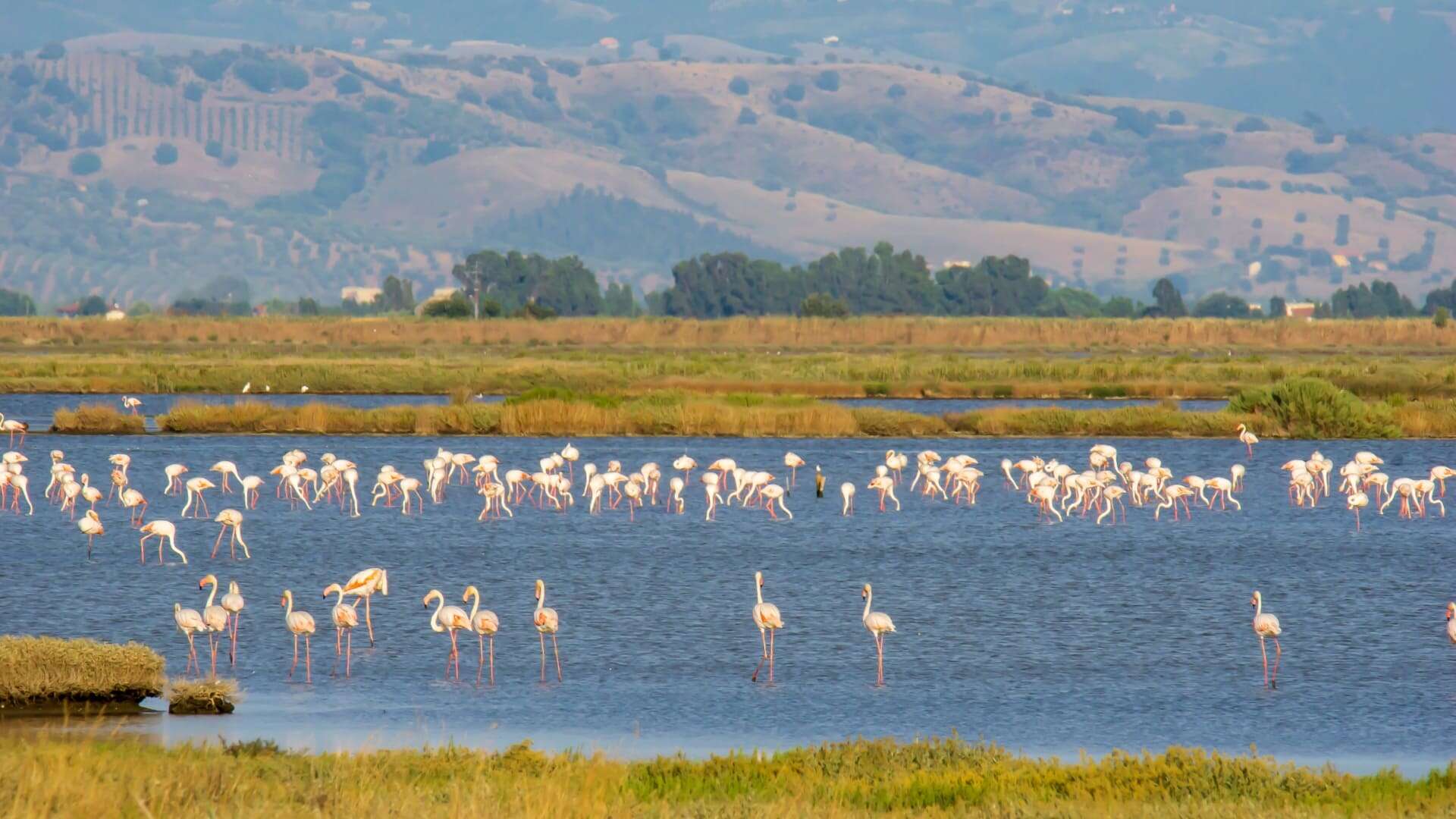
The Diaccia Botrona Nature Reserve is one of the most important wetlands in Tuscany, extending a short distance from Castiglione della Pescaia. The reserve includes lagoons, canals, and forests that host a rich variety of birds and other wildlife species.
It is ideal for hiking or cycling along the equipped paths, which allow you to observe the flora and fauna without disturbing the environment.
| TICKET PRICE | Adults: €12.00 Over 65s and groups: €10.00 Child 4–12 years: €6.00 Children under 4: free |
| HOW TO BOOK | Free access |
| HOW TO GET THERE FROM THE CENTER | Discover the route |
13. Hermitage of San Guglielmo di Malavalle
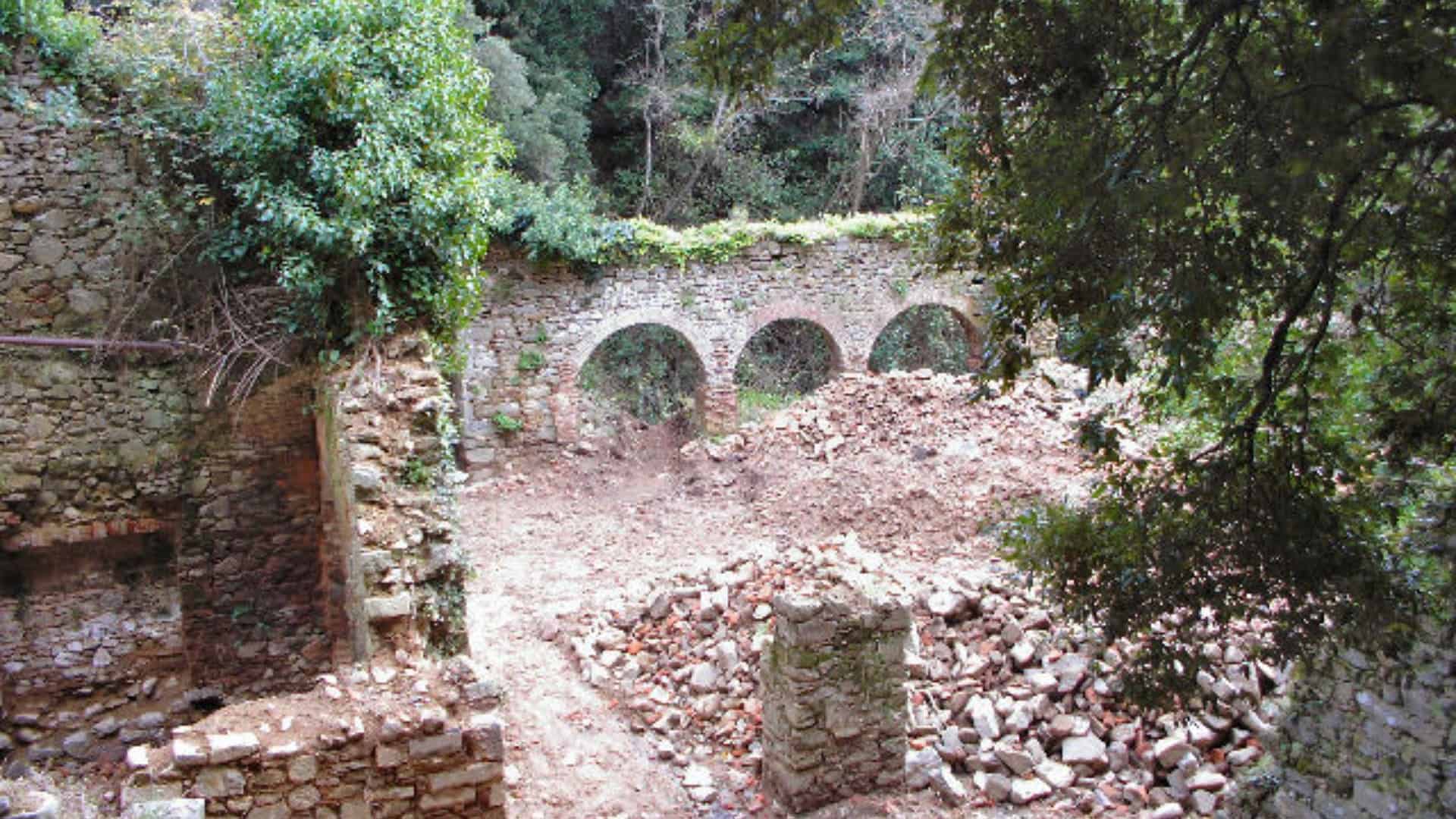
The Hermitage of San Guglielmo di Malavalle is located on the hills overlooking Castiglione della Pescaia, immersed in a quiet and scenic natural context.
The hermitage dates back to the 13th century and is linked to the figure of Saint William, who lived here as a hermit, dedicating himself to prayer and meditation. The structure is simple but well-preserved, with small chapels and monastic rooms that tell the story of the contemplative life of the time.
Reaching the hermitage requires a walk along paths that cross woods and olive groves, offering a unique experience between nature and history.
| TICKET PRICE | Free |
| HOW TO BOOK | Free access |
| HOW TO GET THERE FROM THE CENTER | Discover the route |
14. Giardino Viaggio di Ritorno (Garden of the Return Journey)
The Giardino Viaggio di Ritorno is a contemporary art and landscape project located near Castiglione della Pescaia.
The garden combines sculptures, art installations, and natural paths. The works are integrated into the surrounding landscape, offering several resting points for visitors.
Walking through the Giardino Viaggio di Ritorno is a different experience from the classic historical or beach itinerary, with the opportunity to observe how contemporary art can dialogue with the nature of the Maremma.
| TICKET PRICE | Full: €15.00 Reduced 1: €12.00 for residents of the Municipality of Castiglione della Pescaia Reduced 2: €10.00 for children aged 7 to 16 Free: from 0 to 6 years and people with disabilities |
| HOW TO BOOK | Reservations at: +39 333 869 4020 giardinoviaggiodiritorno@gmail.com |
| HOW TO GET THERE FROM THE CENTER | Discover the route |
15. Archaeological Area of Vetulonia
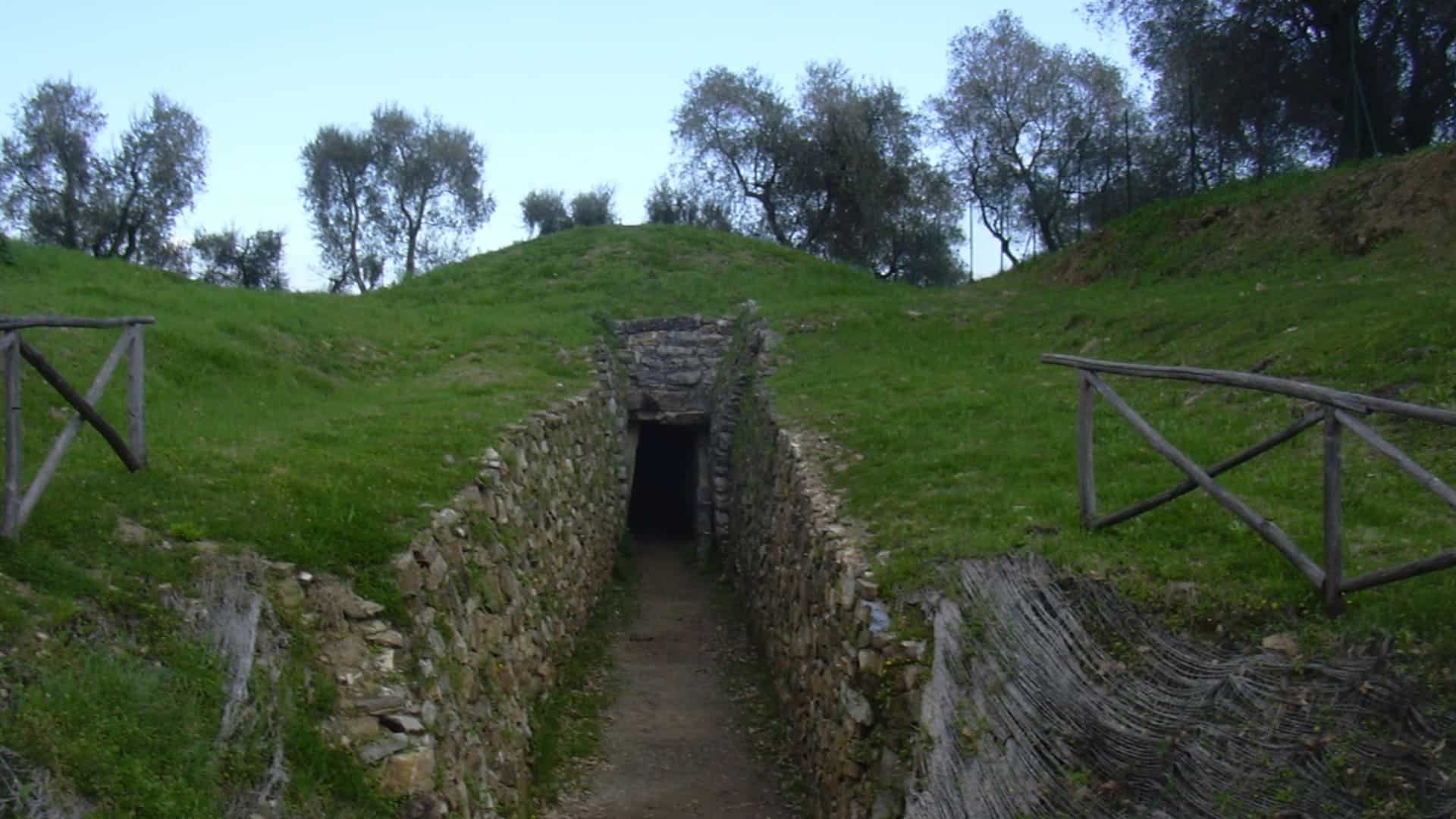
The archaeological area of Vetulonia is located a short distance from Castiglione della Pescaia and is an Etruscan site of great historical importance.
Vetulonia preserves evidence of a settlement dating back to the 8th century BC, with necropoleis, monumental tombs, and artifacts that tell the story of the life and traditions of the Etruscan civilization.
The area is open to the public and has marked trails that guide you among the tombs and the remains of the ancient walls, allowing you to understand the historical and cultural dimension of the territory.
| TICKET PRICE | Free |
| HOW TO BOOK | Free access |
| HOW TO GET THERE FROM THE CENTER | Discover the route |
What to See Around Castiglione della Pescaia
In the surroundings of Castiglione della Pescaia, you will find places that allow you to combine sea, nature, art, and gastronomy in a single itinerary.
The Parco dell’Uccellina (Uccellina Park) is one of the most suggestive protected areas in the Maremma, with trails that cross woods, hills, and wetlands, offering the chance to spot wildlife and enjoy views of the sea and more isolated beaches.
Massa Marittima is a medieval village located inland, characterized by a central square with a Romanesque-Gothic Cathedral, historic palaces, and towers that tell the city’s history. A visit allows you to discover an authentic urban center, with alleys, artisan shops, and museums that preserve local artifacts and works.
The Terme di Saturnia (Saturnia Thermal Baths) are an ideal destination for those who want to indulge in moments of wellness. The thermal waters flow naturally, feeding pools and hot waterfalls, perfect for relaxing while surrounded by nature. Its proximity to villages and scenic roads also allows you to combine relaxation with exploring the territory.
From Castiglione della Pescaia, it is possible to organize day trips to cities of art like Siena or Florence. Both cities offer a world-class historical and artistic heritage, with squares, museums, and monuments that make every visit an unforgettable memory.
Finally, the surrounding area offers some of the most refined food and wine tours in Italy, among wineries and olive groves. The hills of the Maremma and southern Tuscany are home to farms that open their doors to visitors for wine and extra virgin olive oil tastings, accompanied by walks through vineyards and olive groves, allowing you to discover the local excellences in an authentic way.
Information for Visiting Castiglione della Pescaia
During the summer, the days are hot and ideal for the sea, while in spring and autumn, the temperatures remain mild, perfect for walks through villages and nature. It is a good idea to pack comfortable walking clothes, sneakers for the village’s paved paths, and something warmer for cooler evenings.
Getting to Castiglione della Pescaia is easy, both by car and by train. The state road easily connects the village to the main Tuscan cities, while the railway station provides connections to Grosseto and other centers in the region. Within the village and its surroundings, getting around on foot or by bicycle allows you to explore every corner without difficulty.
The best time to visit the village is from May to September for those who want the sea, while spring and autumn are ideal for those who want to combine excursions, cultural visits, and relaxation without the crowds. The main parking lots are located near the historic center and along the coast, with dedicated and accessible areas, making arrival easy even for those traveling with families or groups.
The perfect solution for a comfortable and practical visit to Castiglione della Pescaia is to choose a villa with a pool nearby. This allows you to combine comfort and privacy, enjoying your stay with complete autonomy.
The villas we offer have spacious rooms, equipped outdoor areas, and provide a comfortable base from which to travel, day by day, to the various points of interest that dot the surrounding area.
Explore the Anita Villas website, and book the perfect villa with a pool now to peacefully enjoy your next vacation in the Tuscan Maremma.